Key Takeaways
- Flood mitigation strategies directly lower insurance premiums and safeguard a home's structure and value.
- Insurers recognize and reward investments in certified flood-proofing, drainage enhancements, and elevation projects.
- Integrating physical barriers with strategic planning yields optimal savings and sustained security.
How Flood Mitigation Secures Insurance Discounts
Short answer: These strategies diminish property flood risk, which reduces claim probabilities and prompts insurers to offer premium reductions.
Flood mitigation encompasses improvements that minimize water damage from intense rainfall, storm surges, or groundwater rise. Insurers incorporate these enhancements into risk evaluations, providing lower premiums for properties exhibiting forward-thinking safeguards. Homeowners thus convert preventive modifications into tangible financial benefits.
Highlights
- Discounts typically span 5 to 25 percent, based on the scope of mitigation efforts.
- Qualifying enhancements include flood vents, elevated utilities, and effective site grading.
- Certain regional initiatives pair insurance reductions with grants or tax credits.
Defining Flood Mitigation Measures
Quick answer: Interventions that redirect, repel, or absorb floodwaters qualify as mitigation.
Flood mitigation integrates structural modifications with informed site management. Selection of methods hinges on a property's site, height above sea level, and building materials. Insurers acknowledge these primary categories:
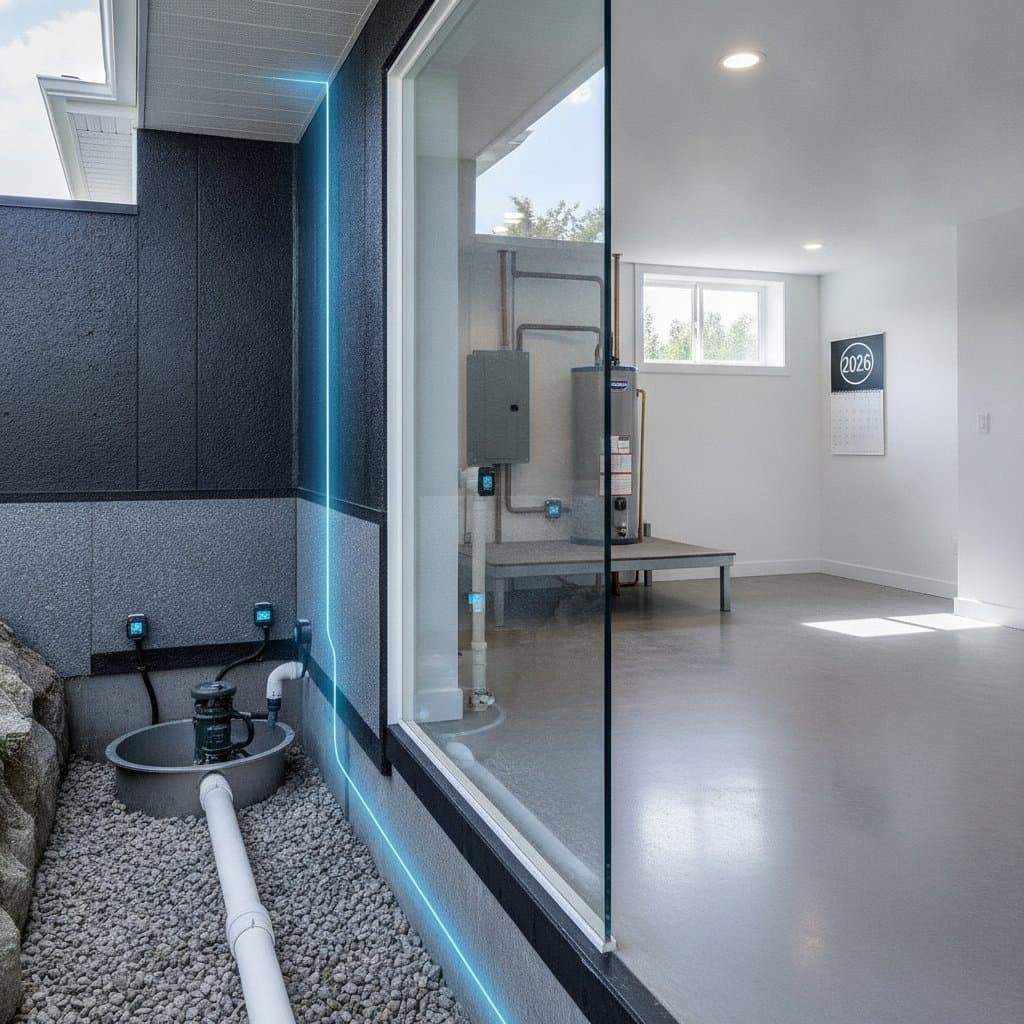
- Elevation modifications – Lifting habitable spaces, heating and ventilation systems, and electrical components above anticipated flood elevations.
- Dry floodproofing – Applying seals to walls, watertight membranes, and barriers to block water intrusion.
- Wet floodproofing – Configuring areas to accommodate flooding without compromising integrity, such as through ventilated subfloor spaces.
- Drainage and landscaping solutions – Incorporating French drains, rain gardens, or permeable surfaces to manage surface water flow.
- Backflow safeguards – Fitting valves to halt sewage or stormwater reversal into lower levels.
Each intervention curtails prospective repair expenses, rendering the property more secure and appealing to insurers.
Comparative Overview
| Mitigation Type | Typical Cost Range | Lifespan | Insurance Discount Potential |
|---|---|---|---|
| Elevation | High | Long-term | High |
| Dry Floodproofing | Medium | Long-term | Moderate |
| Wet Floodproofing | Low to Medium | Long-term | Moderate |
| Drainage Upgrades | Low to Medium | Medium | Variable |
| Backflow Valves | Low | Long-term | Small to Moderate |
Identifying High-Return Improvements
Straight answer: Elevation adjustments and flood vents generate the most substantial insurance reductions, while cost-effective options still provide meaningful benefits.
Evaluate improvements by balancing upfront expenses against damage avoidance and premium relief. For instance, relocating water heaters or electrical panels to higher positions may require only a few thousand dollars yet avert damages exceeding tens of thousands. Flood vents, which balance hydrostatic pressure during inundation, frequently earn credits from leading insurers. Permeable paving or rain gardens control water flow, elevate aesthetic appeal, and access incentives for sustainable features in select areas.
Properties in floodplain proximity benefit most from layered approaches, which amplify protection and financial gains.
Qualifying for Flood Mitigation Discounts
Short answer: Document upgrades thoroughly and demonstrate compliance with established flood-resistance criteria.
Insurers reference national construction standards, Federal Emergency Management Agency flood maps, or verified elevation records for eligibility determinations. Comprehensive evidence strengthens approval prospects.
Steps to Obtain Discounts
- Obtain an elevation certificate from a qualified surveyor to verify height relative to base flood elevation.
- Maintain detailed records of all enhancements, encompassing invoices, approvals, and professional validations.
- Present materials to the insurer for policy reevaluation.
- Inquire about extended credits, as select insurers provide ongoing reductions for system upkeep.
- Conduct yearly reviews, given evolving flood zones and risk assessments, to sustain eligibility.
Robust documentation further elevates market value, as prospective buyers prioritize residences with substantiated flood defenses.
Evolving Flood Insurance Landscape in 2025
Straight answer: Insurers refine risk algorithms to favor proactive designs, site-specific flood intelligence, and sustainable water control practices.
The 2025 environment ties resilience enhancements more closely to premium structures. Analytical frameworks now account for local drainage networks, soil permeability, and individual property fortifications. Consequently, targeted modifications produce notable impacts.
Key Developments
- Adaptive pricing that incorporates refreshed flood intelligence.
- Collective reductions for communities bolstering levees or detention areas.
- Incentives for eco-conscious features like natural drainage or indigenous plantings.
- Intelligent sensors that signal incipient floods, occasionally influencing rate adjustments.
Emphasis rests on foresight over post-event responses.
Accessible Options for Cost-Conscious Homeowners
Quick answer: Affirmative. Basic actions such as foundation sealing, gutter maintenance, and backflow valve installation deliver protection and modest reductions.
Major overhauls prove unnecessary for risk reduction. Consider these economical tactics:
- Coat basement walls with waterproof sealants to limit infiltration.
- Route downspouts at least 10 feet from the foundation perimeter.
- Deploy sump pumps equipped with reserve power sources for dependable operation.
- Reshape surrounding soil to direct water away from the structure.
- Employ temporary barriers or sandbags during peak vulnerability periods.
Cumulative applications bolster overall fortitude and often secure insurer acknowledgments or local rebates.
Impact of Upgrades on Property Resale Value
Short answer: These enhancements confer measurable and intangible worth, particularly in water-vulnerable regions.
Prospective purchasers scrutinize insurance affordability during selections. Residences featuring authenticated flood safeguards emerge as prudent, economical choices. Data indicates such properties transact more swiftly and nearer to list prices. Insurers perceive them as diminished risks, extending advantages to subsequent owners.
Flood resilience thus functions as a compelling sales attribute beyond mere utility.
Potential Pitfalls to Avoid
Quick answer: Steer clear of uncertified items or expedited methods lacking validation.
Certain barriers or sealants underperform in actual scenarios or evade insurer approval. Verify all selections align with codified floodproofing protocols. Incomplete executions pose risks; for example, wall sealing absent drainage corrections may retain dampness and foster internal deterioration.
Engage construction standards or floodplain experts prior to significant alterations to optimize outcomes.
Homeowner FAQs
Will flood mitigation lower my insurance premium immediately?
Insurers generally implement reductions post-verification. Credits often commence at policy renewal.
Do I need professional installation for mitigation measures?
Not invariably. Tasks like vent additions or crack sealing suit self-directed efforts, yet elevation or sealing demands expert adherence.
Can renters benefit from flood mitigation?
Indeed. Although structural changes fall to owners, renters may advocate enhancements that trim personal policy expenses.
How often should I update my mitigation plan?
Evaluate biennially or following severe weather. Evolving risks or innovations may alter discount qualifications.
What if my home is outside a flood zone?
Non-zoned sites remain susceptible. Select insurers extend minor credits for evidenced safeguards.
Sustaining Flood Resilience
Flood mitigation yields dividends through reduced premiums, minimized repairs, and heightened security. This framework fosters enduring worth surpassing seasonal threats. Prioritize drainage and foundational fortification initially, advancing to certified elevations or barriers as resources permit.
Monitor evolving insurer offerings and area programs, where fresh opportunities arise. Collaborative neighborhood initiatives with authorities amplify communal safeguards.
A water-resistant home promotes fiscal prudence, habitability, and ecological harmony. Strategic enhancements paired with meticulous records prepare for assured savings and tranquility at renewal.