12 Key Checks to Safeguard Your Spring Roof
Home renovation costs continue to rise nationwide, and roofing maintenance follows this trend due to fluctuating material prices and elevated transportation expenses. Homeowners who conduct seasonal inspections stay proactive against potential repairs. Prevention proves more economical than addressing emergencies, as extensive roof replacements often exceed $8,000.
Spring provides optimal conditions for a thorough roof evaluation. Winter elements frequently cause concealed issues, such as fractured shingles, displaced flashing, or obstructed gutters. Early detection maintains dryness inside the home and supports budget control.
1. Examine Shingles for Cracks and Curling
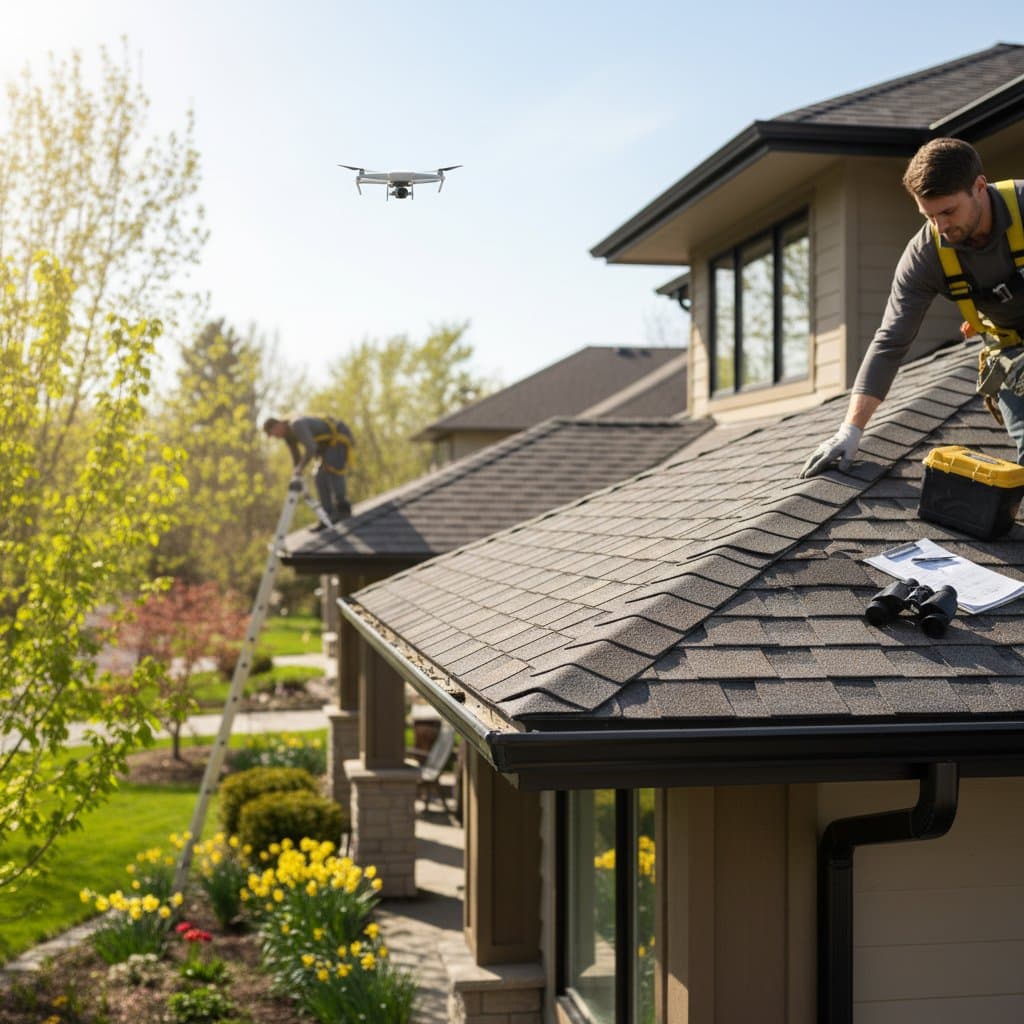
Conduct a ground-level visual assessment using binoculars. Identify shingles that curl, crack, or vanish entirely. Such damage permits water infiltration, which accelerates roof deterioration. If wear affects more than ten percent of shingles, engage a licensed roofer for comprehensive review. Spot replacements typically cost under $400, whereas postponement may necessitate a complete overhaul at $8,000 or higher.
2. Check for Granule Loss
Inspect the gutter's lower edge by running a hand along it. An abundance of granules indicates shingle degradation. Overlooking this indicator once led to chimney-area leaks in a personal experience, where professional resealing proved less expensive than subsequent ceiling fixes.
3. Inspect Flashing Around Vents and Chimneys
Flashing, the metal barrier at roof penetrations, prevents water entry. Seasonal temperature variations loosen it gradually. Secure screws with care or apply roofing cement to edges. Rust or separations require roofer intervention for segment replacement, with costs ranging from $200 to $500.
4. Clean Out Gutters and Downspouts
Obstructed gutters redirect water beneath shingles and against siding. Clear debris manually, flush with a hose, and evaluate for drooping areas. Gutter guards offer long-term protection against persistent buildup. Services from professionals range from $150 to $300 and avert extensive water damage.
5. Look for Moss or Algae Growth
Streaks of green or black may appear superficial, yet they retain moisture that erodes shingles. Apply a cleaner formulated for roofs and use a soft brush for removal. Pressure washing damages protective granules and remains inadvisable.
6. Review Attic Ventilation and Insulation
Enter the attic during daylight hours. Search for light penetration through roof decking or moisture condensation. Adequate ventilation inhibits mold formation and prolongs shingle durability. Enhancements to vents or insulation boost energy performance by 10 to 15 percent.
7. Examine Roof Valleys
Valleys channel substantial water flow, leading to accelerated wear. Ensure clear pathways and proper shingle layering. Exposed underlayment or voids demand prompt attention.
8. Test Sealant Around Skylights
Leaks from skylights manifest as ceiling discoloration prior to escalation. Scrutinize seals for fissures and apply durable exterior caulk for small fixes. Warped frames or clouded glass signal the need for complete unit substitution.
9. Assess Soffits and Fascia Boards
Deterioration in these elements invites pests and humidity into the attic. Probe gently with a screwdriver for yielding areas. Repainting or board replacement incurs $5 to $8 per linear foot, a fraction of water damage remediation costs.
10. Confirm Proper Drainage Around the Foundation
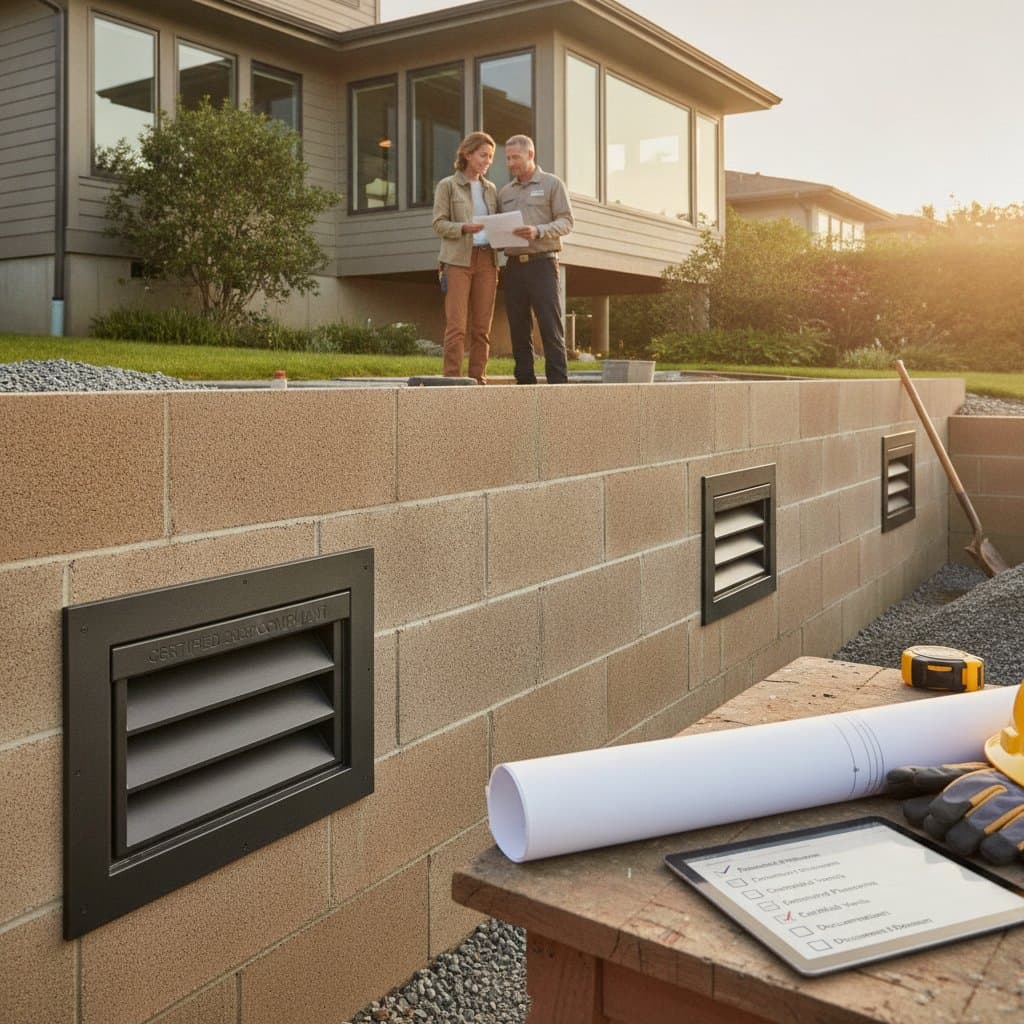
Direct roof discharge away from the structure's base. Install downspout extensions where pooling occurs near walls. Inadequate drainage compromises foundations and causes basement flooding. Basic $15 extensions prevent structural expenses in the thousands.
11. Inspect Roof Penetrations for Leaks
Winter forces loosen attachments like satellite dishes, vents, and solar panels. Evaluate rubber seals for splits and metal for corrosion. Professionals charge $100 to $250 for tightening or resealing.
12. Review Roof Warranty and Maintenance Records
Warranties from manufacturers often mandate maintenance documentation. Retain invoices, reports, and photographs. This record safeguards claims and ensures coverage validity.
Obtain Three Free Quotes from Local Contractors
When to DIY and When to Hire a Professional
Certain inspections suit capable homeowners, yet ladder access and sloped surfaces pose hazards. Refrain from ascending if the pitch exceeds moderate levels or sagging appears. Professionals utilize harnesses, walk boards, and liability insurance unavailable to individuals.
Ground observations, gutter clearing, and attic reviews lend themselves to DIY efforts. Delegate shingle work or flashing adjustments to certified specialists.
Timing Your Roof Care
Spring's temperate climate facilitates sealant adhesion. Steer clear of summer heat, which warps shingles, or winter chill, which renders them fragile. Book experts early to avoid scheduling delays. Early action circumvents late-season price surges.
Protecting Your Home's Value Through Maintenance
Routine roof upkeep shields the property and enhances market appeal. Prospective buyers prioritize roof history. A current inspection report instills assurance and may elevate sale prices by 2 to 5 percent.
Allocate $300 yearly for upkeep. This commitment prolongs roof service life and sidesteps major overhauls.