AI Sensors: Your 2026 Shield Against Water Damage
Home renovation projects across the country continue to increase in cost, beyond the effects of inflation. Insurance claims for water damage have risen sharply, leading to higher premiums and more restrictive coverage for homeowners. A small leak behind a washing machine once resulted in a $12,000 repair bill, highlighting the need for proactive prevention. Installing AI-powered water sensors afterward provided reliable protection throughout the home.
These devices go beyond basic gadgets. They enable real-time property protection through predictive technology. For anyone considering upgrades or insurance reviews, evaluating the capabilities, costs, and benefits of AI water sensors proves essential.
Why Water Damage Is Getting Harder to Avoid
Aging plumbing systems, extreme weather events, and supply chain delays for replacement parts contribute to water damage becoming a frequent and expensive home problem. Contractors face extended lead times for essential materials like pipe fittings and drywall, prolonging recovery from even minor leaks.
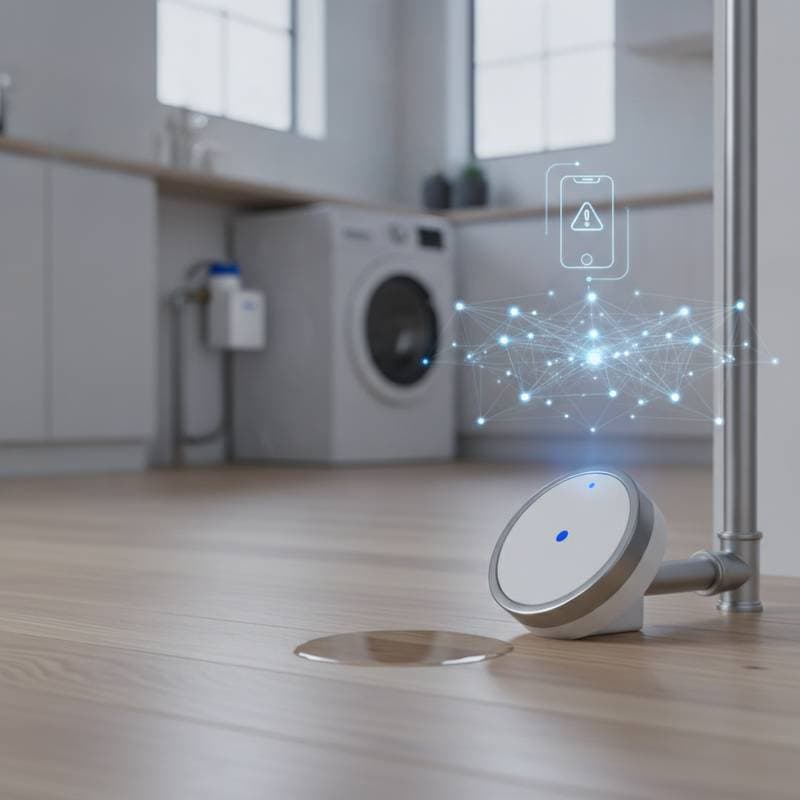
Homeowners often rely on insurance for full coverage, yet many policies exclude slow leaks or maintenance-related issues. AI sensors address these vulnerabilities by monitoring humidity, temperature, and flow rate changes, then delivering alerts to a smartphone or smart home hub.
Initial skepticism about these sensors faded quickly after one detected a slow drip under a kitchen sink. That timely alert prevented warped cabinetry and potential mold growth.
Cost Breakdown and Market Context
Rising material and hardware prices stem from shortages in microchips and sensors. However, prices stabilize as production expands and competition grows in the smart home sector.
Consider this cost breakdown for 2025-2026 installations:
| Component | Average Cost | Notes |
|---|---|---|
| Single Smart Sensor | $35 - $80 | Suitable for laundry rooms and under sinks |
| Mainline Flow Sensor | $300 - $600 | Tracks overall household water usage |
| Automatic Shutoff Valve | $200 - $400 | Essential for automated response |
| Professional Installation | $250 - $500 | Covers plumbing integration and setup |
A complete home system typically ranges from $800 to $1,200 with professional installation. Opt for DIY to lower costs to $400 to $700, provided familiarity with plumbing modifications and device configuration exists.
Strategic Timing and Market Considerations
Integrate sensor installation with planned plumbing or appliance updates. During water heater or dishwasher replacements, request plumber assistance to minimize additional labor expenses.
Supply chain issues persist for brands dependent on imported electronics. Verify product stock in advance to prevent delays from backorders.
Shifts in energy and insurance sectors boost adoption rates. Select insurers offer 5% to 10% premium discounts for properties with operational leak detection systems, potentially offsetting setup costs over time.
Choosing the Right System for Your Home
AI water sensors vary in quality and features. Prioritize these elements when selecting:
- Connectivity: Select models compatible with existing smart home platforms like Google Home, Alexa, or Apple HomeKit.
- Power Source: Battery-powered units simplify setup but demand regular checks; wired options ensure consistent performance for comprehensive coverage.
- Data Privacy: Verify encryption for water usage data; avoid budget models that share patterns with external parties.
- Warranty: Seek at least five years on hardware and one year for software updates.
In regions with frequent freeze-thaw conditions, choose sensors with temperature monitoring. Such features prevent frozen pipe bursts, which rival leaks in repair expenses.
Maintaining Your Investment
AI water sensors require periodic upkeep for optimal performance. Replace batteries annually or biennially, clean sensor contacts, and test the shutoff valve twice each year.
Address false alerts or connection failures by assessing Wi-Fi strength. Weak signals in basements or utility areas often cause issues; a nearby signal extender resolves most problems.
During bathroom or kitchen renovations, relocate sensors and reposition them post-construction. Dust and debris from work sites can compromise sensor precision.
Steps to Install and Protect Your Home
Start by assessing high-risk areas like kitchens, bathrooms, and laundry spaces. Purchase a starter kit with one mainline sensor and several point-of-use units for targeted coverage.
Schedule professional help if plumbing alterations seem daunting. Post-installation, link the system to your smart hub and customize alert thresholds based on household patterns.
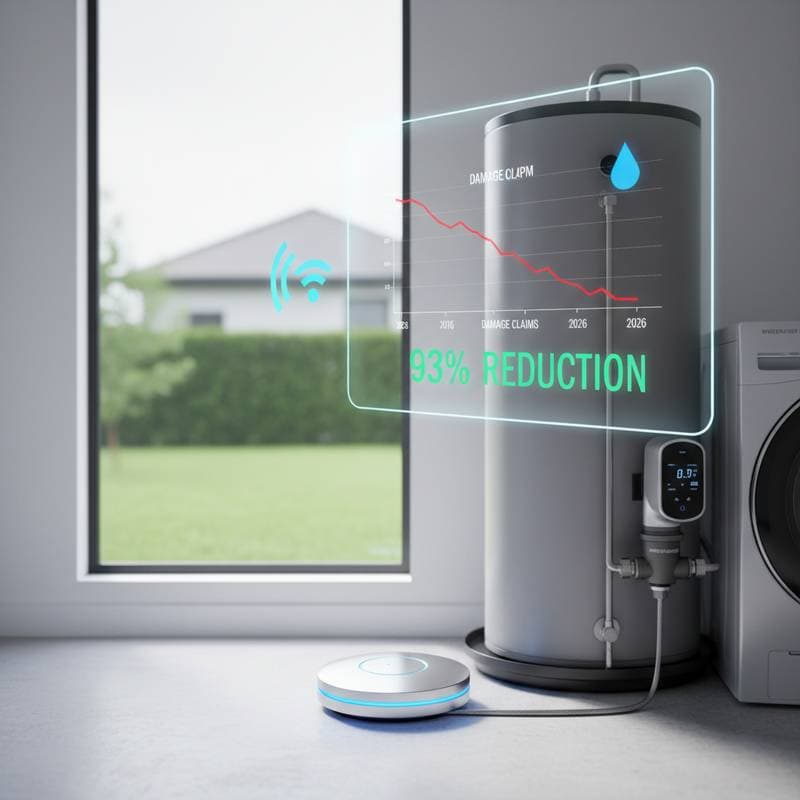
Monitor initial reports to refine settings, ensuring the system adapts to daily routines. This proactive approach not only cuts damage claims by up to 93% but also delivers peace of mind for 2026 and beyond.