Unlock $2,000 Tax Credit with Hybrid Water Heaters in 2026
Rising home energy costs demand attention to system performance. Water heating accounts for approximately 20 percent of a typical household's energy expenses. Upgrading to a hybrid water heater represents a strategic choice, especially with federal incentives available. Qualified models earn a $2,000 tax credit under energy efficiency programs.
One homeowner shared this experience: "I replaced my old gas water heater with a hybrid model last year, and the difference was immediate. My energy bill dropped, the system ran quieter, and I started seeing real savings within the first few months." Although the initial investment appears substantial, the tax credit alters the financial equation significantly.
Why Hybrid Water Heaters Merit Consideration
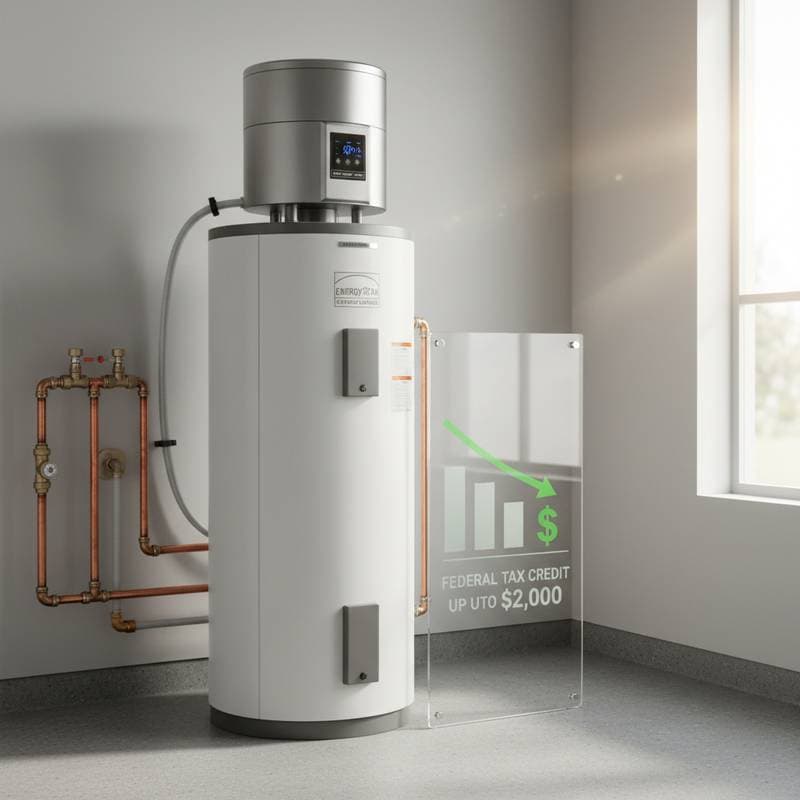
Hybrid water heaters, also known as heat pump models, integrate electric heating elements with heat pump technology. These systems draw heat from ambient air to warm water, achieving greater efficiency. Compared to conventional electric units, they consume about 70 percent less energy.
Escalating energy prices and supply chain challenges prompt many to reassess spending priorities. Hybrid installations reduce ongoing operational expenses, enhance user comfort, and align with federal tax credit eligibility. Research local energy rates and household usage patterns to estimate personalized savings.
Initial research often reveals concerns over upfront costs. However, incorporating the $2,000 tax credit, along with utility rebates and projected monthly reductions, clarifies the return on investment. Most models achieve payback in three to five years, varying by location and consumption levels.
Cost Breakdown Under 2025 Market Conditions
Inflation, tariffs on imported parts, and lingering supply disruptions have elevated material and labor prices. Prospective buyers benefit from understanding these factors to budget accurately.
| Expense Category | Average Cost Range | Notes |
|---|---|---|
| Hybrid Water Heater Unit | $1,500 - $2,800 | ENERGY STAR certified models |
| Professional Installation | $500 - $1,200 | Includes removal of old unit |
| Permit & Inspection Fees | $100 - $250 | Required in most municipalities |
| Electrical or Plumbing Upgrades | $200 - $600 | If your home needs circuit or pipe adjustments |
Applying the tax credit reduces the net outlay to $1,000 through $2,500, influenced by home configuration and regional rebates. Obtain multiple contractor quotes to identify competitive pricing and verify certification compliance.
Optimal Timing for Installation
Fluctuating material availability and contractor workloads necessitate proactive planning. Schedule projects ahead of anticipated utility rate increases to capitalize on current pricing.
Spring and fall emerge as prime installation windows. Moderate weather conditions allow for smoother operations, while contractors enjoy greater availability outside peak seasons. Avoid summer demands on HVAC professionals by booking early.
Proactive replacement prevents emergency scenarios. Systems over 10 years old warrant evaluation; sudden failures inflate expenses through expedited services and limited vendor options. Assess your unit's age and performance indicators now to inform decisions.
Additional Incentives to Explore
The $2,000 federal tax credit serves as a cornerstone, yet state and utility programs provide further support. Rebates typically range from $300 to $1,000, with some offering low-interest financing for qualifying upgrades.
Contact your local energy provider or government office to identify applicable offers. Layering incentives can diminish total costs by up to 40 percent. Retain all receipts, invoices, and certification documents for seamless tax filing.
Essential Maintenance for Hybrid Water Heaters
Hybrid units demand periodic care to sustain peak performance, unlike simpler traditional models. Neglect can diminish efficiency by 10 percent or greater over time.
Key Maintenance Tasks
| Task | Frequency | DIY Difficulty | Cost if Outsourced |
|---|---|---|---|
| Clean air filter | Every 3 months | 2/5 | $50 |
| Flush tank | Once per year | 3/5 | $150 |
| Inspect drain line | Twice per year | 2/5 | $75 |
| Check pressure valve | Once per year | 2/5 | $60 |
Establish a maintenance calendar to ensure regularity. These practices prolong system durability and safeguard long-term savings.
Steps to Upgrade and Realize Savings
Evaluate your current water heater's condition if it exceeds 10 years of service. The $2,000 tax credit positions hybrid models as a prudent financial decision. Ongoing energy reductions compound benefits, delivering monthly returns on your investment.
Consult certified professionals to match a system to your household needs. Secure incentives promptly to align with 2026 deadlines. This upgrade not only trims bills but also elevates home efficiency and market appeal.