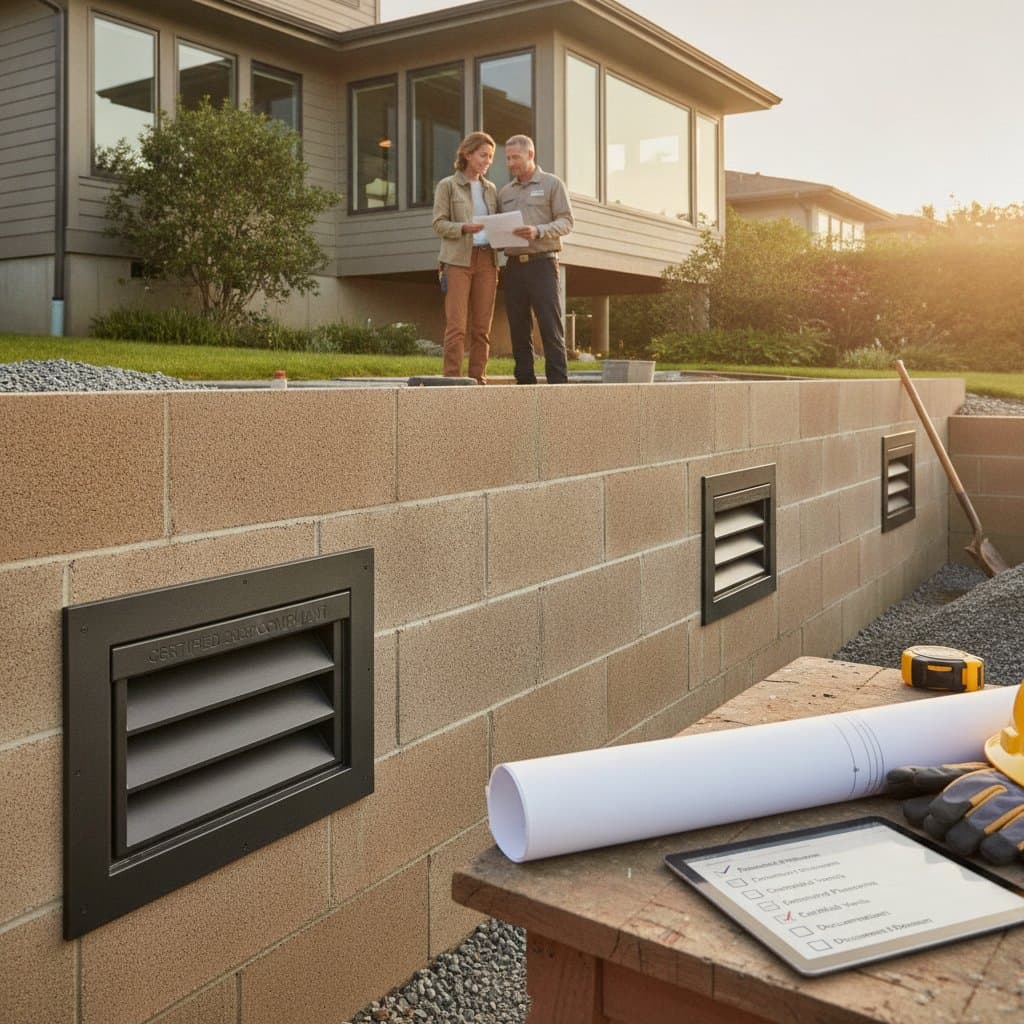
New 2026 Laws Limit Contractor Deposits for Safety
Home renovation projects across the country will soon operate under stricter financial guidelines. Starting in 2026, laws will cap contractor deposits at 10 percent of the project cost or $1,000, whichever is less. This measure aims to shield homeowners from substantial financial risks associated with unfinished work or unreliable contractors.
These regulations address a longstanding vulnerability in the industry. Homeowners often faced pressure to provide large upfront payments without guarantees of performance. The changes promote equitable practices by requiring payments tied to verifiable progress, fostering greater accountability on both sides.
Why Contractor Deposit Limits Matter Right Now
The construction sector has experienced significant turbulence in recent years. Rising material costs, driven by tariffs and supply chain disruptions, have led to longer wait times and higher deposit demands from contractors. In this environment, the new limits provide essential stability.
Homeowners now hold more leverage in negotiations, while contractors must adopt structured billing that reflects actual advancements. This approach minimizes disputes and encourages professionals to prioritize efficiency. Consider a scenario where a project delay occurs; with capped deposits, recovery of funds becomes more straightforward.
Personal accounts highlight the urgency of these reforms. One homeowner recounted paying 40 percent upfront for a kitchen remodel, only to face repeated delays and communication breakdowns. Although partial recovery was possible, the ordeal underscored the need for safeguards against excessive initial outlays.
Cost Breakdown and Market Context
Renovation expenses remain highly variable due to fluctuating prices for essentials like lumber, steel, and fixtures. Contractors previously sought large deposits to secure materials amid these uncertainties. The 2026 laws compel a shift toward more adaptive planning and procurement strategies.
The following table illustrates typical project costs and payment adjustments under the new rules for mid-range renovations:
| Project Type | Average Cost | Old Deposit Practice | New Legal Limit | Typical Payment Milestones |
|---|---|---|---|---|
| Bathroom Remodel | $25,000 | 30% upfront ($7,500) | $1,000 max | 25% at rough-in, 25% at tile installation, 40% at completion |
| Kitchen Renovation | $60,000 | 35% upfront ($21,000) | $1,000 max | 20% after framing, 30% after cabinetry, 50% at final inspection |
| Roof Replacement | $18,000 | 20% upfront ($3,600) | $1,000 max | 25% after tear-off, 25% after underlayment, 50% at final |
This model aligns disbursements with concrete milestones, reducing reliance on initial trust alone.
How to Verify Contractor Compliance
Compliance verification begins with thorough due diligence before any agreement. Legitimate contractors typically adhere to ethical standards, yet vigilance remains essential to identify those resistant to change.
Follow these steps to ensure adherence:
- Request the contractor's license number and confirm its validity via your state's licensing board website.
- Demand a comprehensive payment schedule that adheres to the deposit cap and outlines milestones.
- Review references from recent clients, inquiring specifically about billing fairness and project completion.
- Secure all terms in a written contract, including detailed milestone descriptions.
- Identify warning signs, such as demands for cash payments exceeding limits, vague material lists, or high-pressure tactics.
Obtain quotes from at least three licensed local contractors to compare approaches and select those fully aligned with regulations.
Legal and Safety Considerations
Enforcement mechanisms accompany the deposit caps to deter violations. Infractions may result in substantial fines, license revocation, or fraud prosecutions, underscoring the seriousness of compliance.
Homeowners bear responsibility as well; timely payments per the contract prevent breaches on their part. Address issues promptly through written correspondence and maintain records of progress via photographs and invoices.
Prioritize safety by withholding final payment until after inspections and approvals. Report any insistence on premature full payment to the appropriate licensing authority without delay.
ROI and Long-Term Protection
Structured payments extend beyond immediate financial security to enhance overall project outcomes. Completed renovations under compliant terms boost property value and marketability.
Homeowners may avoid losses equivalent to 10 to 15 percent of project costs through reduced fraud risks, minimized unfinished work, and fewer legal entanglements. This protection preserves budgets and supports informed investment decisions.
Implementing Secure Renovation Payments
Approach upcoming renovations with a focus on regulatory alignment from the outset. Initiate discussions with contractors about deposit and payment protocols to establish mutual expectations.
Take these practical steps:
- Solicit written quotes from several licensed professionals.
- Evaluate proposals based on pricing, payment terms, and timelines.
- Confirm that each quote respects the deposit limitations.
- Organize all documentation, including contracts and receipts, in a dedicated file.
- Report any non-compliant demands to your state licensing board.
These laws benefit diligent homeowners and principled contractors by tying funds to achievements, laying a solid groundwork for successful projects.