2026 FEMA Flood Code Updates: Essential Guidance on Vents and Wet-Proofing
Homeowners who have weathered storms and managed water intrusion often discover that existing flood protection measures fall short of emerging standards. The 2026 FEMA flood code updates establish rigorous criteria for vents, wet-proofing, and foundation elements. These changes compel property owners in designated flood zones to evaluate and upgrade their setups to ensure compliance, mitigate risks, and secure financial benefits.
Project Overview
Average Cost: $3,000 to $11,000
Timeline: 2 to 6 weeks
Lifespan: 20 to 30 years
Best Season: Spring or early summer
DIY Friendly: Partial
Permits: Typically required for structural or exterior modifications
Fundamentals of Flood Vents for Compliance
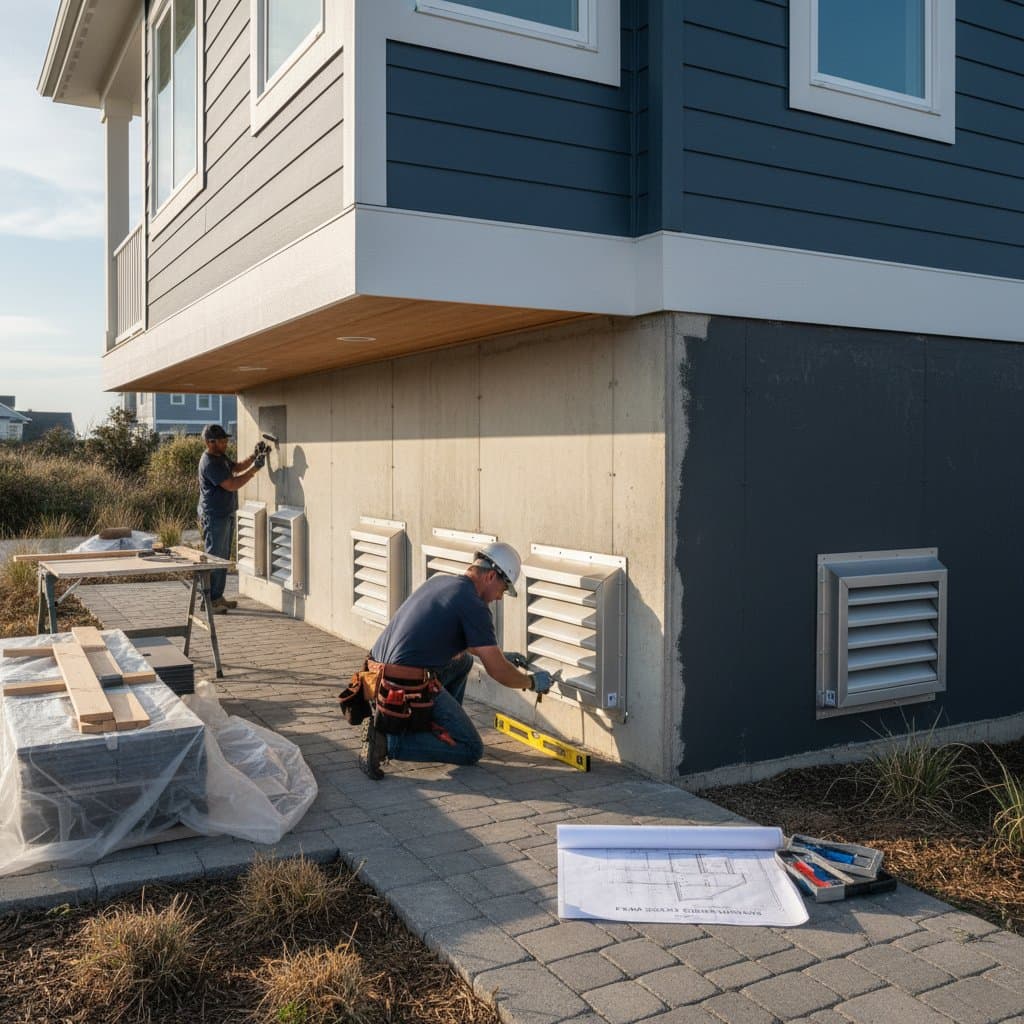
Flood vents consist of specialized openings in foundation walls that permit water to enter and exit freely during flood events. This design equalizes hydrostatic pressure and reduces structural damage. Proper implementation demands precise engineering to align with FEMA and local building codes.
Vent Area Requirements and Positioning
Enclosed spaces below the base flood elevation require a minimum of one square inch of net vent area for every square foot of enclosed space. Vents must occupy positions on opposing walls to facilitate cross-flow of water. Placement occurs close to the foundation base, yet elevated above anticipated sediment levels to minimize blockage risks.
Categories of Flood Vents
-
Engineered Vents: These undergo rigorous testing to satisfy FEMA and ICC-ES certifications. Prices range from $200 to $400 per vent, with professional installation costing an additional $150 to $250 per unit.
-
Non-Engineered Vents: Often adaptations of standard air vents, these options cost $40 to $80 per unit. However, they seldom fulfill the updated FEMA specifications and may invalidate insurance discounts.
Detailed Installation Expenses
A typical 1,500-square-foot crawl space necessitates 4 to 8 vents, resulting in total expenses of $1,800 to $4,000 when including labor. Properties with masonry or concrete block foundations might involve wall cutting, which incurs extra charges of $500 to $1,000 for labor and materials. Factor in site-specific assessments to determine exact needs.
Regional Cost Variations
Expenses for flood compliance fluctuate based on regional labor rates, material availability, and environmental factors.
| Region | Low-End Estimate | High-End Estimate | Notes |
|---|---|---|---|
| Coastal South | $3,000 | $9,000 | Elevated humidity demands corrosion-resistant materials |
| Northeast | $4,000 | $11,000 | Aging foundations frequently require added reinforcement |
| Midwest | $2,500 | $8,000 | Reduced labor rates offset by scarce certified vent supplies |
| West Coast | $3,500 | $10,000 | Stringent permitting and engineering processes increase fees |
Owners of properties in designated floodplains should consult local building authorities prior to starting work. Many areas now mandate certified documentation for engineered flood vents during permit reviews.
Deciding Between DIY and Professional Services
Suitable DIY Elements
-
Application of waterproof sealants to basement or crawl space interiors
-
Substitution of outdated vent covers with certified flood vents, provided openings already exist
-
Integration of moisture detection sensors or dehumidification units
Tasks Requiring Expert Involvement
-
Creation of new openings in masonry or foundation walls
-
Modifications to electrical or HVAC systems within flood-vulnerable zones
-
Implementation of structural reinforcements or wall reconstructions
Engaging a licensed contractor increases overall costs by 25 to 40 percent. This investment guarantees adherence to codes and safeguards insurance eligibility. FEMA stipulates detailed installation records, which professionals supply to verify compliance.
Evaluating Investment Returns
Although flood-proofing initiatives lack immediate appeal, they yield tangible advantages. Properties featuring verified FEMA-compliant vents and wet-proofing exhibit 5 to 10 percent greater resale values in high-risk areas, according to appraisals and market analyses. Insurance providers frequently grant reductions of 20 to 40 percent on flood premiums following compliance confirmation.
The typical recovery period spans five to seven years, influenced by premium adjustments and flood frequency. These upgrades not only lower ongoing expenses but also avert substantial repair bills during water events.
Steps to Achieve Compliance
Begin by examining your property's Flood Insurance Rate Map to ascertain the base flood elevation. Next, inspect current vents and wet-proofing elements against the impending FEMA standards. If deficiencies exist, schedule retrofits promptly to preempt mandatory enforcement.
Effective flood-proofing prioritizes resilience and rapid recovery over absolute prevention. By addressing these updates proactively, homeowners enhance protection, optimize costs, and maintain long-term property integrity.