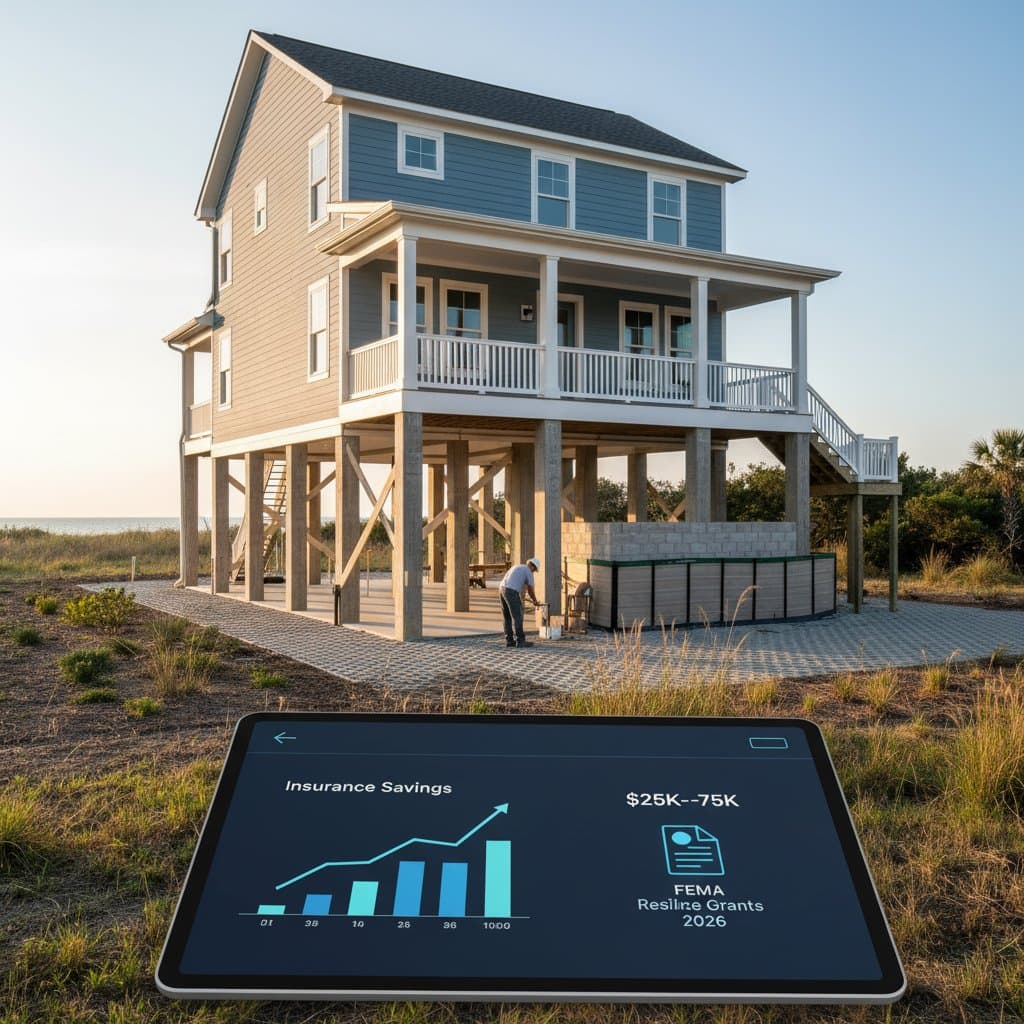
Financing Flood-Proof Homes: 2026 Resilience Loans
Homeowners in flood-prone regions confront escalating threats to their properties, personal safety, and economic security. Structural modifications for flood resistance mitigate substantial damage, but initial investments frequently deter necessary actions. Resilience loans address this barrier by enabling investments in enhancements that minimize flood-related losses and enhance property worth over time.
This resource details the mechanics of resilience loans, qualifying initiatives, and strategies for integrating them with grants or insurance benefits. For residents in flood-vulnerable zones, mastering these mechanisms supports the defense of both residence and finances.
Key Facts
Average Loan Amount: $25,000 to $75,000
Typical Repayment Term: 10 to 25 years
Interest Range: 3 to 6 percent, based on credit profile and geographic factors
Eligible Projects: Home elevations, improved drainage systems, flood vents, waterproofed foundations, sump pumps
Difficulty Level: Moderate to high, typically necessitating work by licensed contractors
Typical Costs and Project Types
Loan sizes fluctuate according to residence dimensions, hazard levels, and initiative scale. The following outlines prevalent flood-mitigation enhancements along with their standard expense brackets.
| Project Type | Typical Cost Range | Description |
|---|---|---|
| Home Elevation | $50,000 to $150,000 | Elevates the primary living area above the base flood elevation |
| Dry Floodproofing | $20,000 to $60,000 | Seals foundation walls and incorporates flood barriers |
| Wet Floodproofing | $10,000 to $30,000 | Employs flood vents and water-resistant materials |
| Drainage and Sump Systems | $5,000 to $15,000 | Diverts and extracts stormwater prior to foundation entry |
| Utility Relocation | $3,000 to $10,000 | Relocates HVAC units, electrical panels, and water heaters to elevated positions |
Such expenditures diminish prospective repair expenses and can decrease flood insurance rates by 10 to 30 percent, contingent upon regional regulations and adherence to floodplain criteria.
Combining Loans with Grants and Incentives
Resilience financing yields optimal results when aligned with supplementary resources. Offerings from the Federal Emergency Management Agency, state-level disaster grants, and community cost-sharing efforts lessen the borrowing requirement.
Common Funding Partners
- FEMA Hazard Mitigation Grant Program: Funds segments of elevation or retrofit expenses following officially declared disasters.
- Community Development Block Grants: Accessible in select areas for owners with low-to-moderate incomes.
- Insurance Discounts: The National Flood Insurance Program provides reduced premiums upon confirmation of enhancements.
To integrate grants and loans effectively, verify disbursement sequences. Numerous programs mandate grant applications prior to loan finalization.
Pros and Cons of Resilience Loans
Evaluating advantages alongside limitations informs optimal financing selections.
Advantages
- Accessibility: Distributes significant expenses across affordable monthly installments.
- Property Protection: Lowers enduring repair outlays and insurance filings.
- Increased Value: Residences featuring certified flood-mitigation features appeal to prospective purchasers.
- Program Support: Select lenders provide adaptable repayment schedules or postponements amid disasters.
Drawbacks
- Upfront Qualification: Demands property inspections, cost projections, and paperwork submission.
- Limited DIY Eligibility: Majority of initiatives require certified specialists.
- Regional Restrictions: Access hinges on municipal involvement in resilience initiatives.
Although obstacles exist, the economic and protective gains frequently surpass them, particularly for inhabitants of elevated flood-risk locales.
Ways to Save on Flood-Resilience Projects
Strategic preparation and timing enable cost reductions for flood-resilience endeavors.
- Schedule Work Off-Season: Service providers frequently extend discounted rates beyond peak storm periods.
- Bundle Projects: Merge waterproofing with drainage or site grading to economize on workforce expenses.
- Seek Local Rebates: Certain jurisdictions provide reimbursements for sump pump or backflow valve installations.
- Use Tax Incentives: Specific flood-mitigation outlays may qualify for state or municipal tax deductions.
Early orchestration averts the urgency that arises post-major floods, when service provider availability declines and rates escalate.
Steps to Secure and Implement Resilience Financing
A fortified residence extends beyond material assets; it preserves well-being, reliability, and enduring equity. Resilience loans facilitate these safeguards by apportioning upgrade costs across extended periods. Initiate the process by assessing flood vulnerability through official maps, obtaining bids from vetted contractors, and reviewing grant eligibility.
Subsequently, engage financiers experienced in resilience options to secure favorable conditions. Proactive measures yield reduced anxiety, minimized damages, and enhanced security against future deluges. Through judicious application of resilience loans, fortify the structure, trim insurance expenditures, and attain assurance in readiness for impending challenges.