Preparing for 2026 Ember-Safe Landscaping Codes: Essential Changes and Compliance Strategies
Wildfires pose an increasing threat to communities in fire-prone regions. Starting in 2026, new ember-safe landscaping codes mandate specific measures to create defensible space around homes. These regulations focus on reducing the spread of embers, which ignite most structure fires during wildfires. Homeowners must adapt their outdoor spaces to comply, transforming potential fire fuels into protective barriers.
The codes build on existing defensible space guidelines but introduce more precise requirements for plant selection, spacing, and hardscaping. Compliance ensures not only legal adherence but also enhanced property resilience. Early preparation allows time to plan and implement changes without rushed decisions.
Understanding the New Ember-Safe Requirements
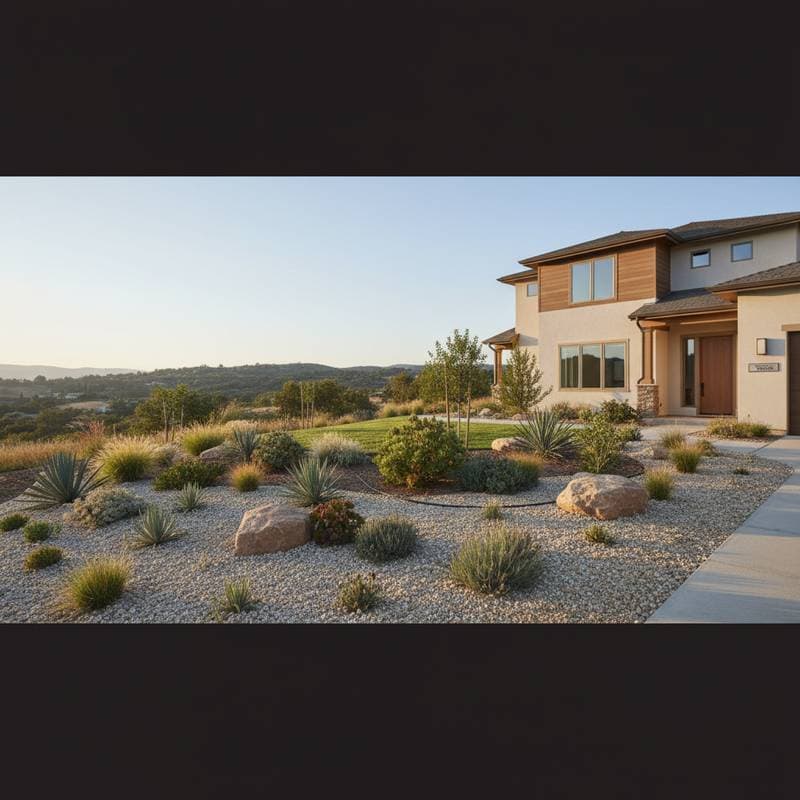
Ember-safe landscaping divides properties into three zones, each with distinct rules to minimize fire risk. Zone 1, extending 0 to 5 feet from structures, prohibits all combustible vegetation and mulch. Replace grass or plants with non-flammable materials such as gravel, stone, or concrete pavers. This immediate buffer prevents embers from reaching the home directly.
Zone 2 spans 5 to 30 feet from the structure. Here, plant spacing becomes critical: trees must stand at least 10 feet apart, with branches pruned to 6 feet above ground. Ground covers should consist of low-growing, fire-resistant species like succulents or native grasses. Limit mulch to inorganic types, and ensure no dead wood accumulates.
Zone 3 covers 30 to 100 feet outward. This area allows more flexibility but requires thinning of dense vegetation. Remove ladder fuels—low branches that bridge ground fires to tree canopies. Select plants with high moisture content and low oil resins, such as maples or oaks over pines or eucalyptus.
These zones apply to all sides of the home, including roofs and decks. Gutters must remain clear of debris, and vents should feature ember-resistant screens. The codes emphasize ongoing maintenance to sustain these protections year-round.
Factors Influencing Compliance Costs
Budgeting for ember-safe upgrades varies based on site-specific conditions. Several elements affect the total investment, helping homeowners anticipate expenses accurately.
-
Terrain slope: Properties with steep inclines demand erosion control measures, such as retaining walls or terracing. These additions typically cost between $3 and $6 per square foot, depending on the materials used and the extent of grading required.
-
Soil composition: Areas with heavy clay soils often need amendments and improved drainage before any planting occurs. Expect to spend $500 to $1,200 on soil testing, tilling, and drainage installations to support fire-resistant vegetation.
-
Access and haul-away: Restricted driveway access or the need for substantial debris removal can elevate labor costs by 15 to 20 percent. Plan for equipment mobilization and waste disposal fees in remote or cluttered sites.
-
Plant maturity: Opting for mature specimens increases upfront costs but accelerates compliance and delivers immediate aesthetic benefits. Younger plants, while more affordable, require years to establish the desired density and coverage.
-
Irrigation upgrades: Integrating smart controllers and drip systems ranges from $1,000 to $2,500. These systems not only meet code standards for moisture retention but also cut water usage by up to 40 percent through efficient delivery.
To account for variables like weather delays or material price fluctuations, incorporate a 10 percent contingency into your budget. Consulting a local landscape architect early can refine these estimates based on your property's unique features.
Design Strategies for Fire-Resistant Outdoor Spaces
Creating an ember-safe landscape involves more than removal; it requires thoughtful design to maintain functionality and beauty. Start with hardscape elements like gravel borders and xeriscape paths, which serve as natural firebreaks while reducing maintenance needs.
Incorporate fire-resistant plants strategically. For example, lavender and yarrow thrive in Zone 2 with minimal watering and low flammability. Cluster them in irrigated beds to retain moisture during dry spells. Avoid juniper or ivy, which ignite easily and spread flames rapidly.
Smart irrigation plays a pivotal role. Drip lines deliver water directly to roots, preventing dry thatch buildup that fuels fires. Pair this with rain sensors to optimize usage, aligning with water conservation goals in many regions.
Fencing and screening also contribute. Use non-combustible metal or stucco instead of wood. These choices enhance privacy without compromising safety. Overall, these designs create layered defenses that blend seamlessly with the natural environment.
Long-Term Returns on Ember-Safe Investments
Beyond immediate compliance, ember-safe landscaping yields significant financial and practical benefits. Insurers recognize the reduced risk, often providing 10 to 20 percent discounts on premiums for properties with certified defensible space. This certification comes from professional assessments verifying adherence to codes.
Property values rise in wildfire-vulnerable areas. Homes with fire-hardened features attract a 5 percent premium at resale, appealing to safety-conscious buyers. The enhancements signal proactive risk management, a key selling point in real estate markets.
Ongoing savings accumulate through lower maintenance and utility costs. Native plants adapted to local climates, combined with efficient irrigation, slash water bills by up to 50 percent. Fewer replacements for fire-damaged elements further preserve budgets.
Most importantly, these measures provide peace of mind. Studies show properly zoned landscapes increase a home's survival rate during wildfires by up to 80 percent. A $10,000 investment today can generate over $15,000 in savings across insurance, utilities, and upkeep over the next decade, while safeguarding irreplaceable assets.
Steps to Achieve Compliance
Transitioning to ember-safe standards requires a methodical approach. Begin with a self-assessment: Walk your property, noting combustible items within 100 feet of structures. Clear organic mulch, eliminate dead plants, and prune branches that overhang roofs or touch walls.
Engage a licensed contractor specializing in wildfire mitigation for a professional evaluation. They will map your zones, recommend compliant materials, and draft a phased plan. Approval from local authorities may be necessary for major alterations.
Implement changes progressively, prioritizing Zone 1. Install hardscapes first, then address vegetation in outer zones. Document every step with photos and receipts to support insurance claims or inspections.
Regular upkeep sustains compliance. Schedule annual reviews to remove debris and test irrigation systems. This routine not only meets 2026 requirements but fosters a durable, attractive landscape that enhances daily living.
Building a Resilient Future for Your Property
Embracing ember-safe landscaping positions your home against evolving wildfire threats. These codes encourage innovative, sustainable designs that protect lives and investments. By acting now, homeowners secure safety, financial advantages, and enduring value in their outdoor environments.