Retrofits That Make Basements Flood Proof in 2026
Homeowners face increasing risks from heavy rainfall and shifting weather patterns. Water intrusion damages walls, ruins flooring, and creates persistent odors that affect air quality. Effective retrofits focus on preventing entry rather than repeated cleanup.
Why Basement Flood Proofing Matters Right Now
Basements sit below grade and face constant hydrostatic pressure from surrounding soil. Repair costs for flood damage often exceed 15000 dollars, with insurance coverage frequently limited for recurring events. Targeted upgrades that seal the foundation envelope, redirect groundwater, and manage humidity protect structural integrity and property value.
A complete strategy layers exterior drainage improvements with interior waterproofing systems and dependable mechanical controls.
Smart Decision Framework: DIY or Hire a Pro
Minor tasks such as gutter cleaning and crack sealing suit experienced homeowners. Excavation work, sump pump installation, and drainage system design require licensed contractors who can evaluate soil conditions and pressure loads.
DIY Friendly Tasks:
- Cleaning gutters and extending downspouts
- Applying interior waterproof coatings
- Installing window well covers
- Sealing visible cracks with injection kits
Hire a Professional When:
- Water pools consistently or seeps through walls
- Foundation grading needs adjustment
- Sump pump or drain tile systems are required
- Mold or efflorescence appears on surfaces
Modern Retrofit Techniques That Work
Exterior Waterproof Membranes
Elastomeric membranes flex with minor foundation movement and form a continuous barrier on clean concrete. These systems perform especially well in clay soils that retain moisture against the foundation for extended periods.
Drain Tile Systems
Exterior drain tiles placed at footing level collect and redirect water. High quality PVC or HDPE pipe, installed with gravel and filter fabric, maintains function for more than fifty years when cleanouts remain accessible.
Interior French Drains
This approach suits finished basements where exterior excavation is impractical. Crews cut along the slab perimeter, lay perforated pipe, and connect it to a sump pit. The system handles both groundwater and occasional plumbing leaks at lower cost than full exterior work.
Sump Pump Systems
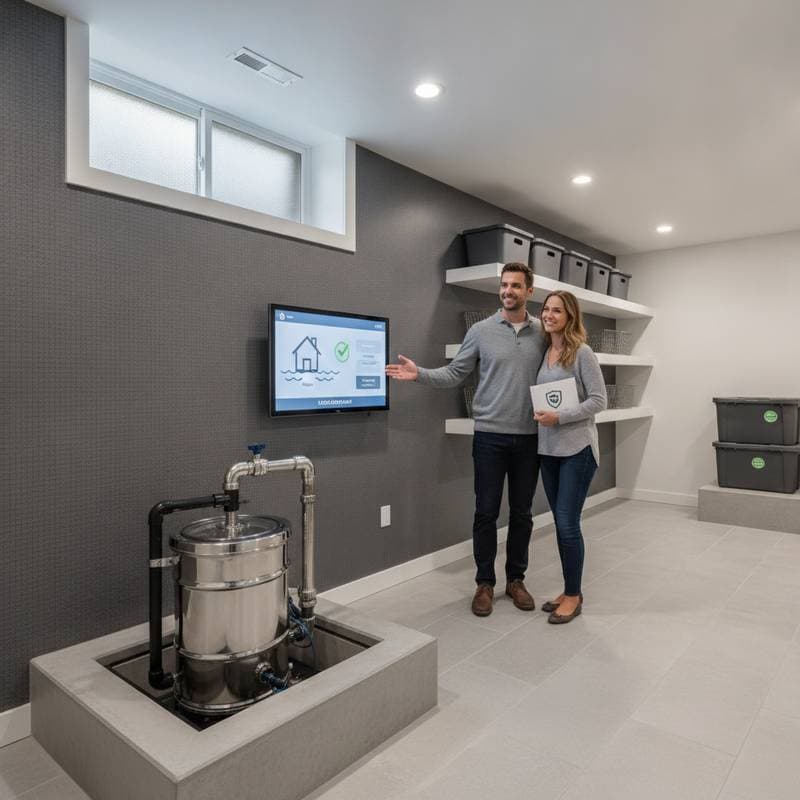
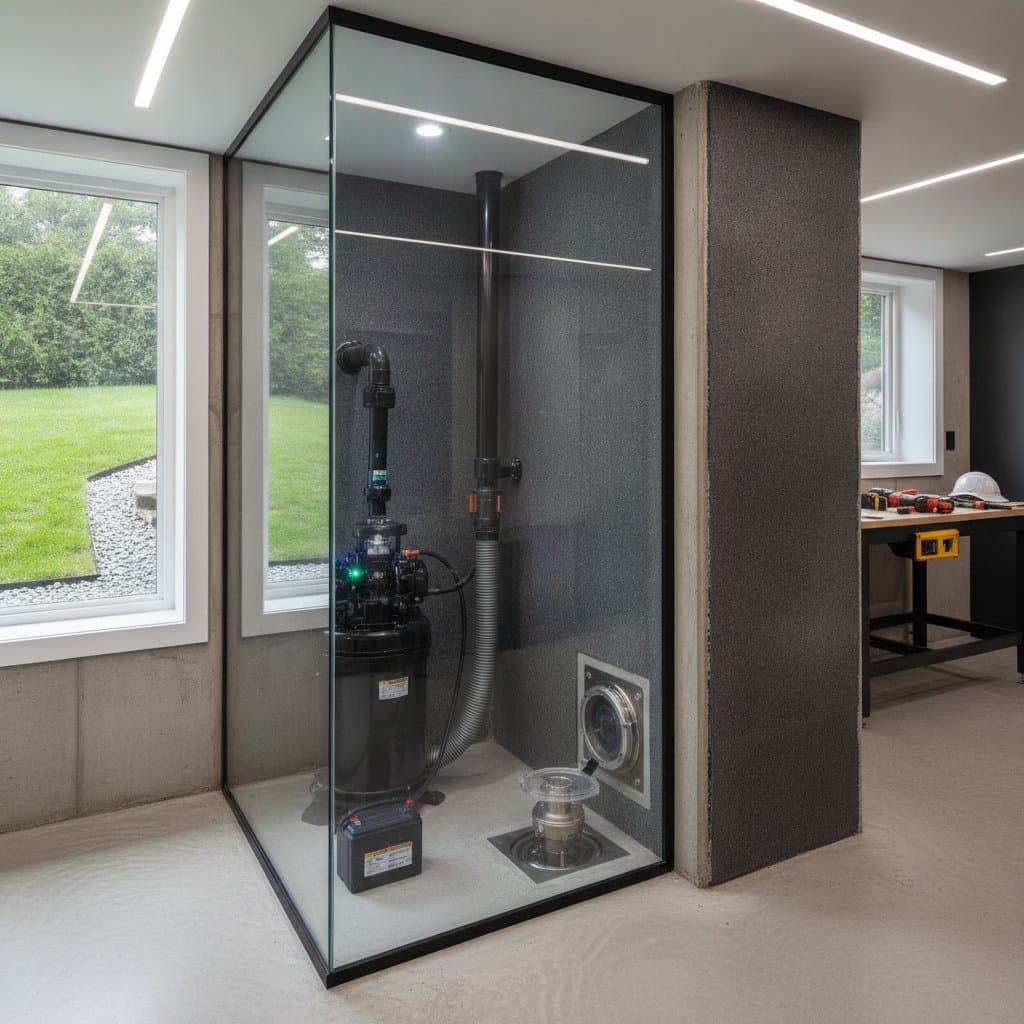
Select a pump sized for the home footprint and local water table. A cast iron primary unit paired with battery backup ensures operation during power loss. Quarterly testing and annual pit cleaning keep the system reliable.
Foundation Crack Sealing
Epoxy injection restores structural bond while polyurethane accommodates temperature related movement. Both materials stop seepage when applied before pressure widens the openings.
Grading and Gutter Management
Regrade soil to slope away from the foundation at least six inches over ten feet. Clean gutters twice yearly and extend downspouts six feet from the house. These steps reduce water volume reaching the basement at minimal expense.
Safety and Code Considerations
Sump pumps require dedicated GFCI protected outlets. Excavation demands utility locates before digging begins. Fuel burning appliances need continued ventilation when moisture barriers are added.
Licensed contractors understand these requirements and maintain liability coverage for the project.
Planning Your Retrofit Project
Schedule a moisture assessment at the first sign of stains or odors. Collect three detailed quotes, review warranty terms, and confirm coverage transfers to future owners. Completed systems deliver drier air, warmer floors, and reduced concern during storms.