Why Zero-Threshold Showers Increase Home Value by 2026
Bathroom renovations influence daily comfort and future resale prospects. Zero-threshold showers emerge as a prominent trend, serving as both a stylish choice and a strategic investment. These designs surpass visual appeal by enhancing accessibility, safety, and space utilization, while adhering to universal design standards that draw diverse buyers.
Consider the interconnected elements of water management, drainage, and floor integration. A comprehensive view of these components reveals the tangible value zero-threshold showers provide. Homeowners gain insight into effective implementation across various property types.
Technical Overview: Defining a Zero-Threshold Shower
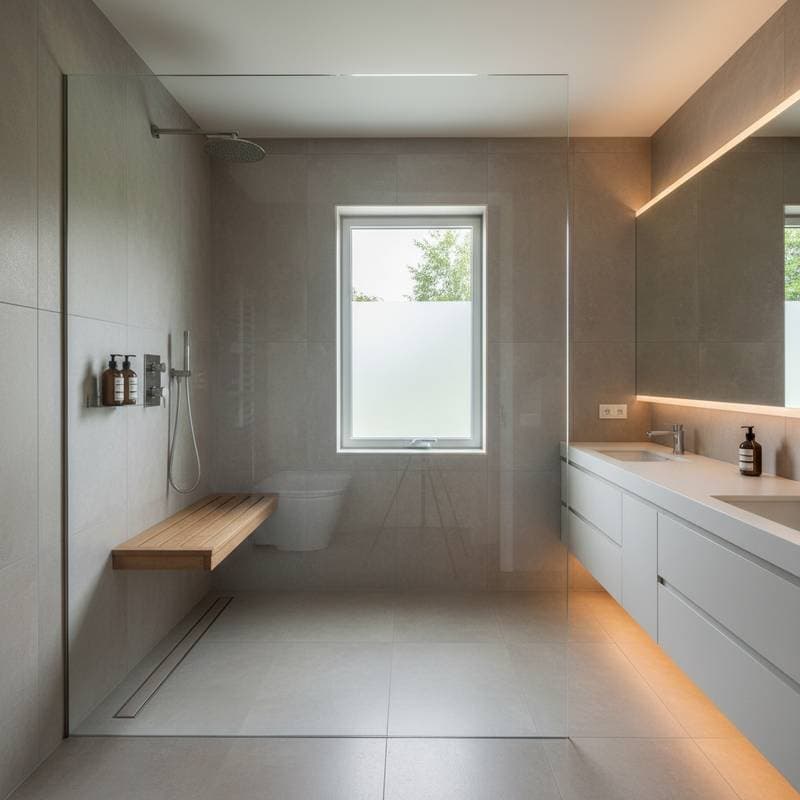
A zero-threshold shower removes the conventional curb or step separating the bathroom floor from the shower zone. This approach demands accurate floor sloping, robust waterproofing layers, and drains embedded in the subfloor, either linear or centralized. The result forms a continuous surface that reduces fall risks and ensures complete water containment with optimal drainage.
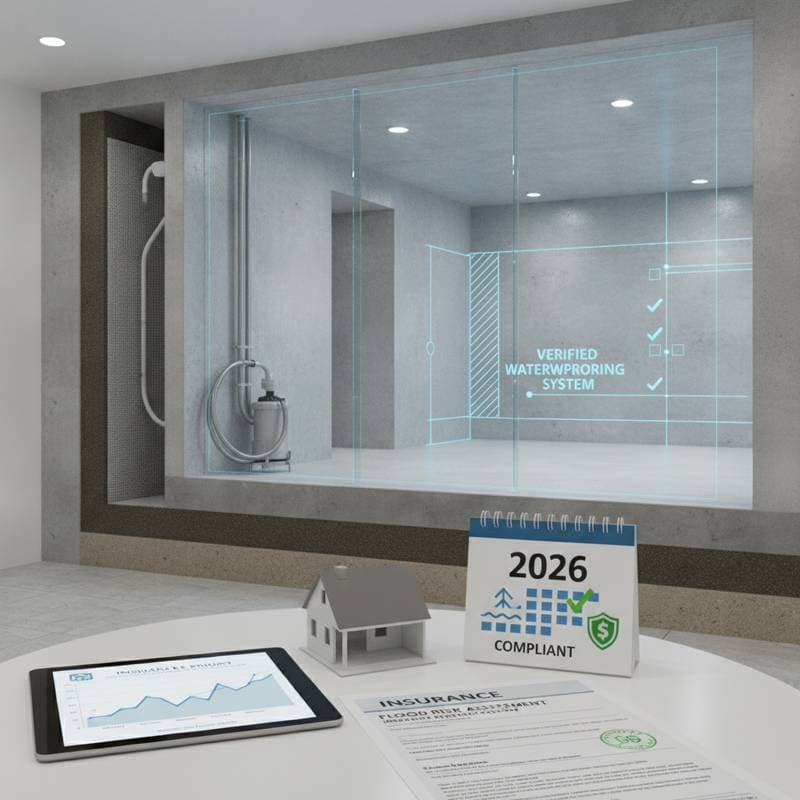
Construction focuses on directing water via calculated inclines and strategic drain positioning, bypassing physical barriers. Systems incorporate a slope of at least 0.25 inch per foot leading to the drain. Waterproofing extends beyond the shower boundaries by several inches to block moisture intrusion. Proper execution yields an accessible area that upholds moisture resistance and structural integrity.
Breakdown of System Types
Zero-threshold showers employ distinct drain configurations to manage water flow effectively. Each type suits specific layouts and performance needs.
1. Linear Drain Systems
Technical Specifications:
- Drain width: 24 to 60 inches
- Flow rate: 8 to 10 gallons per minute
- Materials: Stainless steel or ABS polymer
Performance Metrics:
Linear drains facilitate a uniform slope in one direction, which streamlines tile patterns and reduces grout joints. They handle substantial water volumes from fixtures such as rain heads or multiple jets.
Best-Use Scenarios:
These systems fit expansive showers or bathrooms prioritizing uninterrupted flooring. They pair effectively with oversized tiles or stone surfaces.
2. Point Drain Systems
Technical Specifications:
- Drain diameter: 4 to 6 inches
- Flow rate: 6 to 9 gallons per minute
- Materials: PVC or cast iron with anti-siphon features
Performance Metrics:
Point drains centralize water collection, enabling flexible sloping from all directions. They maintain efficiency in compact areas while supporting standard fixtures.
Best-Use Scenarios:
Suitable for smaller showers or retrofits where space limits linear options. They integrate well with curved or asymmetrical designs.
3. Trough Drain Systems with Integrated Channels
**Technical Specifications:**n- Drain length: Customizable up to 72 inches
- Flow rate: 8 to 12 gallons per minute
- Materials: Stainless steel with built-in debris traps
Performance Metrics:
Trough systems blend refined appearance with strong water handling. Positioned along walls or beneath seats, they preserve a flat floor surface.
Best-Use Scenarios:
These excel in high-end setups or open-plan bathrooms. They support wheelchair entry and align with straight tile arrangements.
Key Integration Considerations
Adapting an existing bathroom for a zero-threshold shower involves evaluating floor levels, structural supports, and waterproofing seams. In concrete slab foundations, workers cut recesses for drain components. Wood-framed structures may require joist modifications reinforced with metal plates to achieve the necessary pitch.
Plumbing connections link the drain to current waste pipes, incorporating vents to sustain trap integrity and avoid gas reversal. Electrical planning covers additions like underfloor heating or integrated lights. Advanced controls connect to thermostats and sensors for automated temperature and moisture regulation.
Installation Process and Code Compliance
Building regulations stipulate checks on floor gradients, waterproofing integrity, and drain ventilation. Installers test the shower base to verify full drainage within a set period. Wet-area flooring must exhibit a friction coefficient exceeding 0.42 to minimize slips.
Professionals adhere to ANSI A118 standards for waterproofing and TCNA handbook for tile work. For accessibility, ADA guidelines call for at least 36 by 36 inches in roll-in showers. Incorporating support rails and adjustable benches fulfills inclusive design criteria while preserving elegance.
Long-Term Benefits and Future-Proofing
Zero-threshold showers support the evolution toward adaptable, eco-conscious living spaces. As preferences lean toward flexibility and conservation, these bathrooms prove practical and enduring.
Key Advantages:
- Accessibility: Facilitates aging at home and aids those with mobility challenges.
- Safety: Removes step-related risks and eases movement.
- Aesthetic Continuity: Promotes seamless visuals through uniform materials and clean edges.
- Maintenance Efficiency: Limits seams to curb mold growth and ease upkeep.
- Resale Appeal: Attracts wider audiences valuing sustained usability.
Advancing features amplify these strengths. Drains with clog alerts, adaptive heating elements, and bacteria-resistant sealants now available extend usability and reduce issues over time.
Steps to Implement a Zero-Threshold Shower
Begin your bathroom project with a structural evaluation, assessing subfloor capacity, support spacing, and pipe accessibility. Solicit estimates from specialists in barrier-free designs, reviewing their waterproofing methods and drain selections.
This upgrade reimagines the convergence of usability, security, and performance in residential spaces. Homeowners who pursue it secure enhanced livability and financial returns.