Regional Bathroom Remodel Costs: What to Expect in 2026
Bathroom renovations in 2026 reflect shifts in material pricing and labor availability across the United States. Homeowners benefit from understanding regional differences before committing to a project. Costs vary based on project scope, material selections, and local contractor rates.
National Cost Overview
A typical bathroom remodel ranges from 8000 dollars for a basic refresh to 35000 dollars for a full gut renovation. Midrange projects that include new fixtures, tile work, and vanity updates average between 15000 and 22000 dollars. These figures account for both materials and professional installation.
Labor represents 40 to 60 percent of total expenses in most markets. Material costs fluctuate with supply chain conditions and product choices. Budgeting an additional 10 to 15 percent for unexpected structural issues helps maintain project timelines.
Regional Price Variations
Northeast Markets
Homeowners in the Northeast face higher labor rates that often reach 85 dollars per hour. Full remodels in this region average 22000 to 42000 dollars. Urban areas such as Boston and New York add premiums for permitting and access restrictions.
Southern States
Southern markets offer more moderate pricing with labor rates between 45 and 65 dollars per hour. Average project totals fall between 12000 and 28000 dollars. Lower material delivery costs contribute to overall savings in states such as Texas and Florida.
Midwest Region
Midwest projects typically range from 11000 to 25000 dollars. Labor rates average 50 to 70 dollars per hour. Cities with strong manufacturing bases maintain steady contractor availability that supports competitive bidding.
Western Markets
Western states show wide variation. Coastal cities command 25000 to 45000 dollars for comparable work while inland areas remain closer to national averages. High demand for skilled trades in California and Washington increases both timelines and fees.
Key Cost Drivers
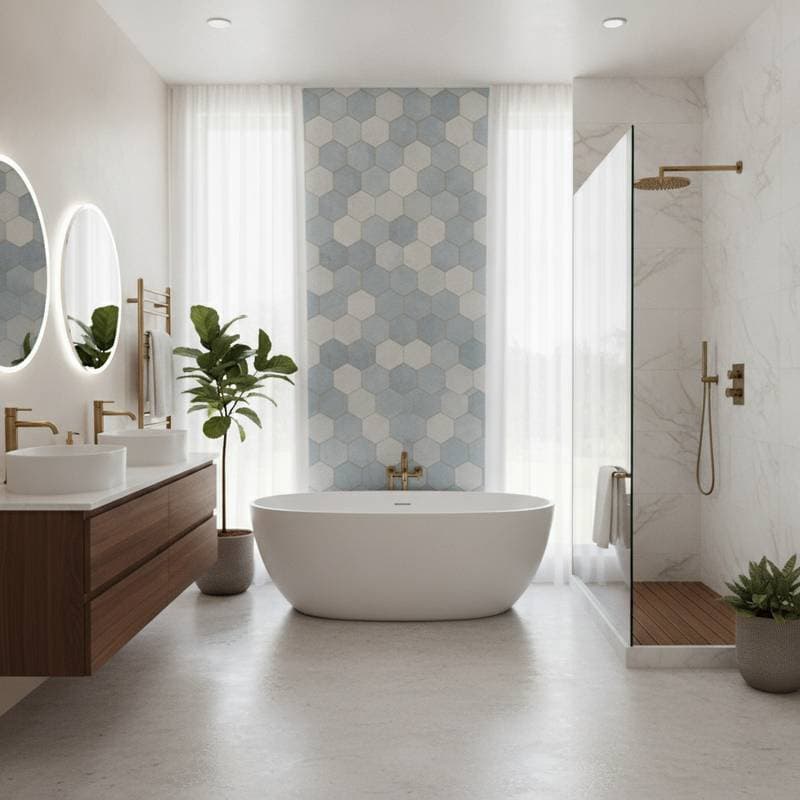
Material selections influence final pricing more than any other factor. Quartz and porcelain tile command higher prices than laminate or ceramic options. Fixture upgrades such as rainfall showerheads and wall mounted toilets add 1500 to 4000 dollars depending on brand.
Design complexity affects labor hours. Curbless showers and custom built-in storage require additional framing and waterproofing. Homeowners who select standard layouts reduce both material waste and installation time.
Planning Your Budget
Obtain three detailed bids from licensed contractors in your area. Request line item breakdowns that separate demolition, plumbing, electrical, and finishing work. Compare warranties on labor and products before signing agreements.
Schedule major work during slower contractor seasons when possible. Winter months in northern regions sometimes yield modest discounts. Confirm permit requirements early to avoid delays that increase holding costs.
Selecting Upgrades Wisely
Focus spending on elements that improve daily function and long term durability. Heated floors and quality ventilation systems deliver consistent returns in comfort. Reserve luxury finishes for visible surfaces where they create the greatest visual impact.
Consider phased improvements if the full budget exceeds available funds. Updating fixtures and lighting in year one followed by tile and vanity work in year two spreads expense while maintaining livability.
Preparing for Project Success
Clear communication with your contractor prevents costly change orders. Provide a written scope that lists every item to be removed and replaced. Document existing conditions with photographs before demolition begins.
Final selections for tile, paint, and hardware should occur before construction starts. Preordering long lead items such as custom vanities protects the schedule. These steps support efficient execution and predictable final costs.