Biophilic Elements Boosting Home Resale Value
Homebuyers are increasingly drawn to spaces that feel calm, healthy, and connected to nature. This shift has made biophilic design one of the most valuable approaches in home improvement. By blending natural materials, light, greenery, and organic forms into your home, you can raise comfort and property value at the same time. Whether you are preparing to sell soon or want to invest in upgrades that pay off later, biophilic features can make your home stand out in a competitive market.
Why Biophilic Design Raises Home Value
Buyers respond emotionally to homes that feel open, bright, and tied to nature. Natural elements reduce stress, improve air quality, and create a sense of balance that artificial finishes cannot match. Real estate agents often note that homes with abundant daylight, indoor plants, and natural textures sell faster and at higher prices.
Beyond appearance, biophilic upgrades often improve energy performance and comfort. Features like skylights, green walls, and wood finishes can reduce heating and cooling costs or improve acoustic comfort. When combined, these benefits translate directly into higher perceived and real value.
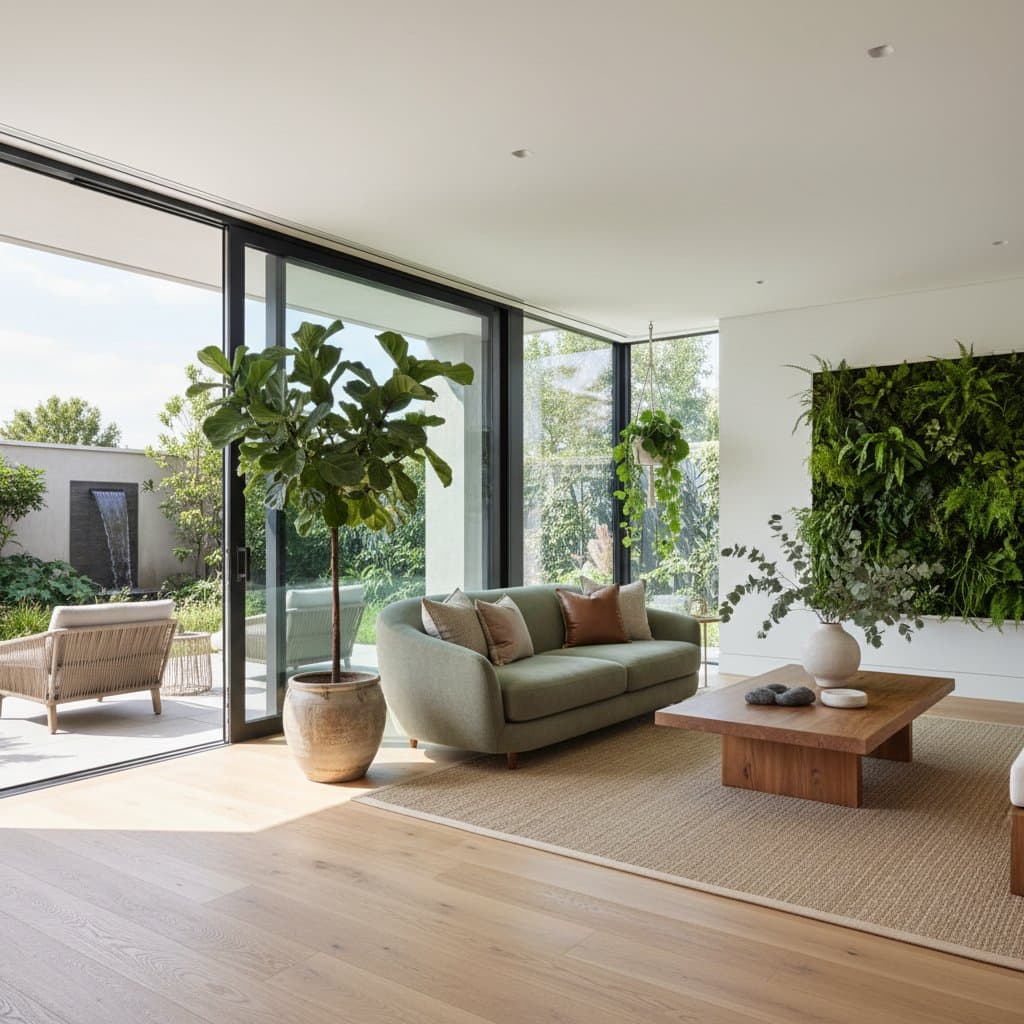
2. Indoor Greenery and Living Walls
Plants do more than decorate. They clean the air, boost humidity, and create visual interest. Living walls or vertical gardens have become luxury features in urban and suburban homes alike.
Cost Range: $1,200 to $10,000 depending on wall size and irrigation setup
Maintenance Level: Moderate, with regular watering or automated systems
DIY Option: Create a smaller plant wall using modular panels or hanging pots near bright windows.
Professional Tip: For permanent installations, hire a landscape designer or interior plant specialist who understands irrigation and drainage systems.
4. Outdoor Connections
A seamless flow between indoor and outdoor living spaces strengthens the biophilic effect. Sliding glass doors, patios, or covered porches extend usable space and appeal to lifestyle-focused buyers.
Enhancements to Consider:
- Deck or patio with greenery
- Outdoor kitchen or fire pit
- Covered pergola or shade structure
Cost Range: $5,000 to $20,000 depending on materials and features
Buyers appreciate homes that feel larger without adding square footage. Outdoor connections achieve that illusion while improving daily enjoyment.
Factors Influencing Cost and ROI
1. Location and Climate
Homes in warm or coastal regions benefit most from outdoor extensions and ventilation upgrades. In colder climates, natural materials and light-focused improvements bring better returns.
2. Scale of Work
Replacing flooring or adding windows costs more upfront but also attracts higher-end buyers. Smaller updates like indoor plants or bamboo shades cost less but still enhance ambiance.
3. Material Quality
High-quality natural finishes and plant systems last longer and show better over time. Avoid cheap imitations that fade or peel quickly. Buyers can tell the difference, and authentic materials pay back at closing.
4. Professional vs DIY Labor
Labor costs often account for 40% to 60% of total project expenses. Skilled tradespeople ensure structural safety and proper installation, which matters when selling. DIY can save money on simpler updates like painting or plant placement but should not replace professional help for structural or electrical work.
When to Hire a Professional
While many biophilic improvements can start as DIY projects, structural or integrated systems require professional input. Hire a contractor or designer when:
- Installing skylights or altering roof framing
- Building living walls with plumbing or irrigation
- Adding outdoor structures that attach to the home
- Running new electrical lines for lighting or water features
Ask for detailed estimates, proof of insurance, and photographs of previous biophilic projects. A qualified professional understands both design aesthetics and building performance, ensuring your upgrades meet safety codes and resale standards.
Pros and Cons of Biophilic Design for Resale
Pros
- Higher buyer interest and faster sales
- Improved indoor air quality and comfort
- Long-lasting materials with timeless appeal
- Positive emotional response from potential buyers
Cons
- Higher initial cost for authentic materials
- Maintenance needs for plants and water systems
- Possible sunlight control issues in bright climates
Balancing these factors ensures your biophilic upgrades deliver both beauty and practicality.
Ongoing Maintenance for Long-Term Value
Biophilic homes stay valuable when well cared for. Keep windows clean to maximize light, trim plants to maintain shape, and reseal natural wood every few years. Inspect irrigation lines and replace any dead plants immediately.
For outdoor spaces, pressure wash decks, refresh mulch, and prune shrubs before listing your home. Presentation matters, and a healthy, natural environment signals quality throughout the property.
Making It Happen
Investing in biophilic design is both a lifestyle and a financial decision. Start with the elements that offer the greatest value in your region, such as window upgrades or natural flooring.
Before beginning, schedule a consultation with a licensed contractor or interior designer familiar with biophilic principles. They can help balance aesthetics, budget, and building codes to create a space that enhances well-being and market appeal.
With thoughtful planning and a few strategic upgrades, your home can offer more than comfort. It can provide a lasting connection to nature that buyers recognize and are willing to pay for.