Mold-Resistant Materials That Protect Flooded Homes
Home renovation projects after flooding require more than replacing walls and floors. They demand strategies that prevent recurring damage. Mold-resistant materials limit organic content that supports growth, promote drainage, and accelerate drying after water exposure.
Recent supply chain changes have increased costs for many building products. Homeowners now seek options that deliver superior performance and extended durability. These materials raise initial expenses yet reduce long-term remediation costs that often exceed several thousand dollars.
Why Mold-Resistant Materials Matter
Standard drywall and insulation absorb moisture readily. Residual dampness behind surfaces frequently produces odors and visible growth within weeks. Materials engineered for moisture resistance address these vulnerabilities directly.
In areas with frequent rainfall or elevated water tables, such products function as essential safeguards. They restrict mold food sources while allowing structures to recover quickly from future incidents.
Closed-Cell Spray Foam Insulation
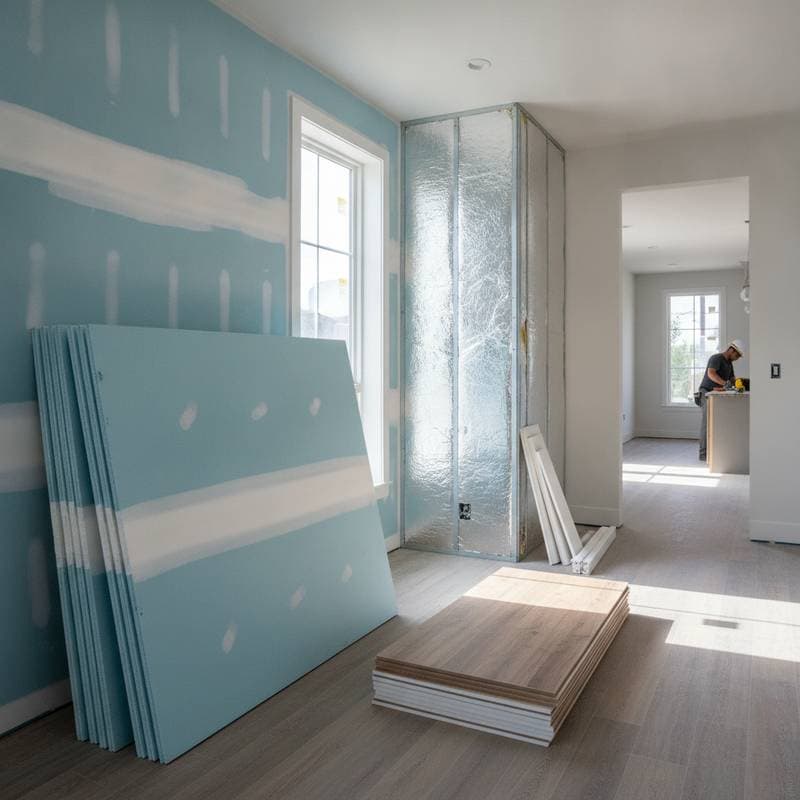
Closed-cell spray foam serves as both insulation and a vapor barrier. It fills gaps completely and blocks moisture migration into interior spaces. This choice improves energy efficiency by up to thirty percent while maintaining performance for fifty years or longer.
Cost Range: 1.25 to 1.75 dollars per board foot
Professional Installation: 2500 to 5000 dollars for an average basement
Waterproof Flooring Options
Rigid core vinyl plank withstands standing water without swelling or buckling. Ceramic tile and epoxy-coated concrete provide additional durable alternatives in high-risk zones.
Material Costs:
- Luxury vinyl plank: 3 to 6 dollars per square foot
- Ceramic tile: 4 to 10 dollars per square foot
- Epoxy-coated concrete: 5 to 9 dollars per square foot
These surfaces clean easily and replicate natural appearances at lower maintenance levels.
PVC or Composite Trim and Molding
PVC and composite trim resist absorption through cracks and gaps. They eliminate rot and mold support common in wood products.
Cost Range: 2 to 3 dollars per linear foot for PVC
Installation: Stainless steel fasteners or approved adhesives ensure secure attachment
Skill Level: Suitable for basic tool users
Decision Framework for Project Execution
Certain tasks allow direct homeowner involvement while others require specialized equipment and certification.
Suitable for Direct Management:
- Application of mold-resistant coatings
- Installation of PVC trim
- Placement of click-lock vinyl flooring
Recommended for Professional Teams:
- Spray foam application
- Large-scale drywall replacement
- Electrical and plumbing work in moisture-exposed areas
Professional moisture testing before closure prevents hidden dampness that restarts growth cycles. Obtain multiple quotes from contractors experienced in restoration projects.
Design Strategies That Reduce Risk
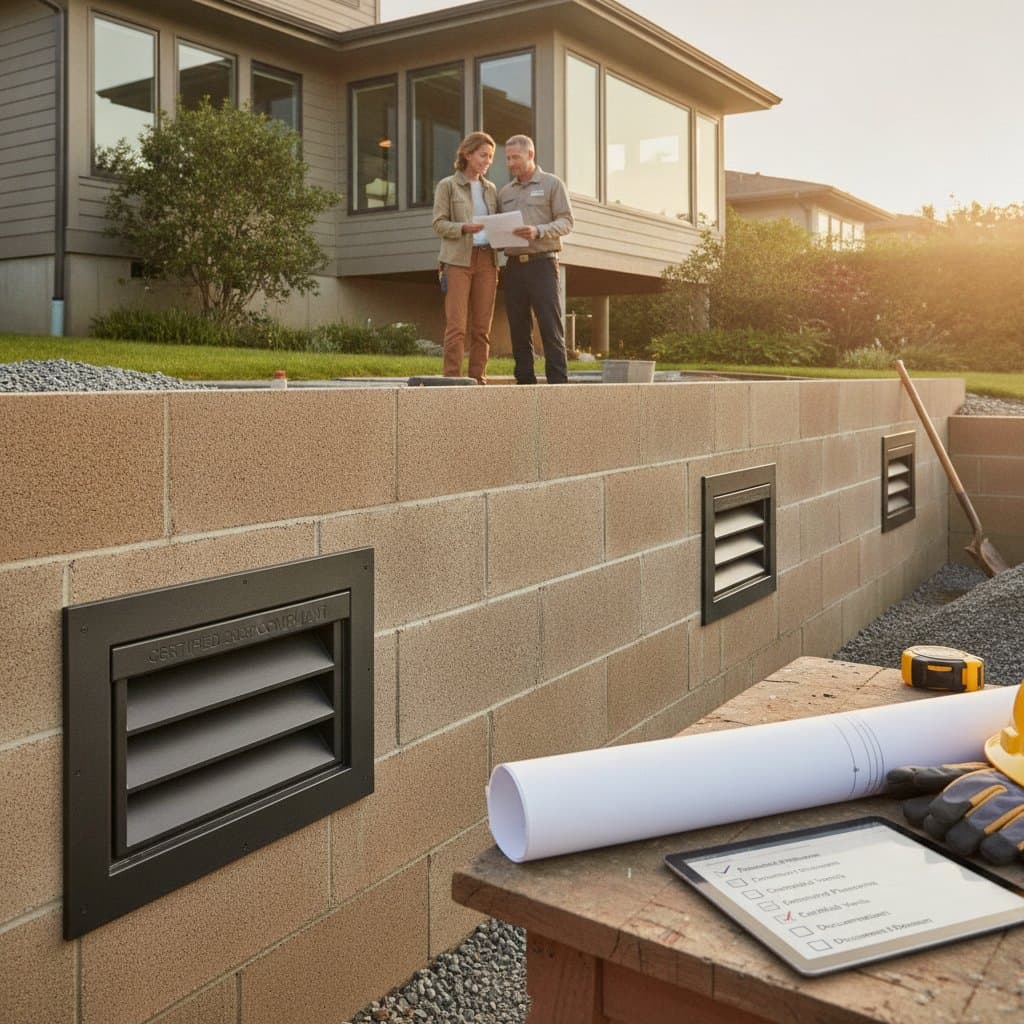
Perimeter drainage systems and battery-backed sump pumps direct water away from foundations. Floor-level vents improve airflow behind panels, while vapor barriers beneath concrete slabs limit transmission.
Additional measures include elevated outlets above expected water lines and selection of nonporous furniture supports. Dehumidifiers maintain low humidity in enclosed spaces.
Long-Term Benefits and Value
Properties rebuilt with moisture-resistant components demonstrate stronger market appeal in flood-prone regions. Buyers recognize reduced health risks and lower future repair demands.
The added expense typically represents five to ten percent of total rebuild costs yet offsets potential losses many times over. A single remediation event frequently surpasses fifteen thousand dollars.
Sustaining Performance Over Time
Regular inspections of drainage components and humidity levels preserve material integrity. Prompt attention to minor leaks prevents escalation into widespread issues.