Why Home Battery Backups Are Essential for 2026 Outages
Homeowners face growing risks from unreliable power grids and severe weather. Traditional generators offer temporary solutions, but they produce noise, emissions, and require constant fuel. Battery backups provide silent, clean power that activates instantly, ensuring essential appliances remain operational without disruption.
These systems store energy for immediate use during blackouts, which experts predict will increase in frequency by 2026. Beyond emergencies, batteries optimize daily energy consumption by shifting usage to cheaper off-peak hours. This approach not only safeguards comfort but also builds long-term resilience against energy shortages.
Technical Overview
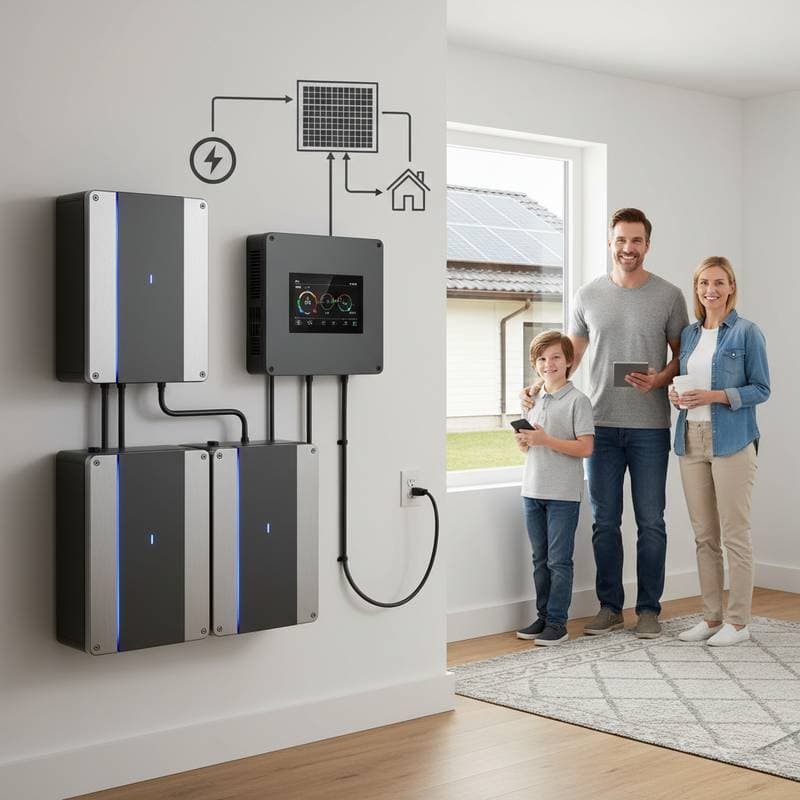
Home battery backups capture surplus electricity from the utility grid or solar panels and deploy it during outages. Lithium iron phosphate (LFP) batteries dominate this technology due to their thermal stability, ability to discharge up to 100 percent without damage, and capacity for over 6,000 charge cycles. These features translate to reliable performance over a decade or more.
Hybrid inverters serve as the system's brain, coordinating energy flow between sources. They enable seamless switching to battery power in under 10 milliseconds, far quicker than most generators. For solar-integrated setups, batteries charge fully on sunny days, creating a self-sustaining cycle that reduces reliance on the grid.
Without solar, schedule charging during low-rate nighttime periods to power high-demand daytime activities. This time-of-use strategy can trim monthly bills by 20 to 30 percent. Advanced monitoring apps allow users to track usage patterns and adjust settings for maximum efficiency.
Regional Performance Analysis
Climate plays a critical role in battery longevity and output. In cold areas classified under Department of Energy zones 6 to 8, integrated heating elements maintain battery temperatures above freezing, preventing capacity loss that can reach 50 percent in sub-zero conditions. Proper insulation and site placement further protect against frost.
Hot and humid environments in zones 2 and 3 demand robust cooling mechanisms, such as active fans or heat sinks, to avoid overheating that accelerates degradation. Shaded installations and elevated airflow reduce internal temperatures by up to 15 degrees Fahrenheit. In these regions, selecting batteries with IP65-rated enclosures ensures resistance to moisture and dust.
Coastal installations require specialized materials to combat saltwater corrosion. Galvanized steel mounts and marine-grade wiring prevent rust, extending system life by years. Regardless of location, annual inspections verify environmental controls function correctly, preserving overall performance.
System Types Breakdown
Selecting the appropriate battery type aligns with specific home needs and environmental factors. The table below compares key options based on efficiency, suitability, durability, and upkeep.
| Battery Type | Round-Trip Efficiency | Ideal Climate | Lifespan | Maintenance Needs |
|---|---|---|---|---|
| Lithium Iron Phosphate (LFP) | 90-94% | Wide range | 12-15 years | Minimal |
| Nickel Manganese Cobalt (NMC) | 85-90% | Mild, dry | 10-12 years | Moderate |
| Lead-Acid AGM | 75-80% | Cool, dry | 5-7 years | High |
LFP batteries excel in residential applications for their fire-resistant properties and minimal self-discharge rates under 3 percent per month. NMC variants suit space-constrained homes, packing more energy into smaller footprints despite slightly lower efficiency. Lead-acid options serve budget-conscious users for short-term backups, though frequent electrolyte checks and equalization charges add to ongoing efforts.
Integration Considerations
Integrating battery backups involves connecting to the home's electrical panel via hybrid inverters that handle both grid and solar inputs. For older homes with aluminum wiring or panels rated below 200 amps, upgrades like subpanels or rewiring ensure safe load distribution. These modifications prevent overloads and support features like circuit prioritization for critical devices.
Devices such as the Tesla Powerwall Gateway or Enphase IQ System Controller automate failover and provide app-based insights into energy production and consumption. During installation, technicians configure whole-home or partial backup modes to match priorities, such as powering the kitchen and HVAC over less essential areas. Post-installation, firmware updates keep the system aligned with evolving grid standards.
Cost-Benefit Analysis
Initial investments for a 13.5 kWh battery system range from $10,000 to $15,000, including installation and permits. While generators cost less upfront, their ongoing fuel and maintenance expenses often exceed battery savings over time. Batteries avoid these by leveraging net metering credits and demand-response programs that reward grid support.
Over a decade, expect annual savings of $800 to $1,200 from optimized energy use and avoided outage losses, such as spoiled food or lost productivity. Payback accelerates in regions with high electricity rates or frequent blackouts. The table outlines regional variations based on climate impacts and utility tariffs.
| Region | Average Installation Cost | Estimated Annual Savings | Payback Period |
|---|---|---|---|
| Mild Climate | $10,000 | $850 | 11 years |
| Hot Climate | $11,500 | $950 | 10 years |
| Cold Climate | $12,000 | $1,100 | 9 years |
Incentives like federal tax credits covering 30 percent of costs further shorten return timelines. Long-term, batteries enhance property value by up to 4 percent, appealing to eco-conscious buyers.
Steps to Select and Install Your System
Start by auditing your home's energy profile: list daily appliance usage and calculate peak loads using online tools or professional assessments. Aim for batteries that cover 8 to 12 hours of essential power, such as lights, fridge, and internet. Factor in future needs, like electric vehicle charging, to scale capacity accordingly.
Engage a certified electrician experienced in renewable integrations to evaluate your setup. They will confirm compliance with National Electrical Code standards and handle utility approvals for grid interconnection. Compare quotes from at least three installers, prioritizing those with warranties exceeding 10 years.
Once operational, routine maintenance involves quarterly visual checks and software updates. This investment transforms your home into a fortified energy hub, delivering stability, savings, and sustainability amid 2026's challenges.