Smart Bathroom Sensors: Fall Safety for Seniors in 2026
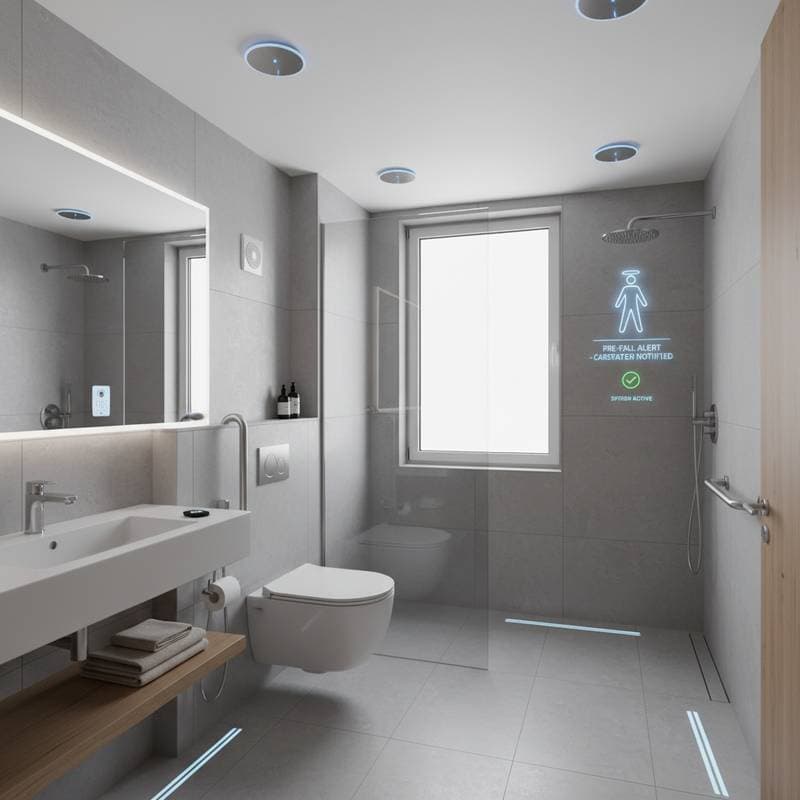
Bathrooms rank among the most frequent sites for falls among seniors, where injuries often result in severe consequences and diminished independence. Factors such as slick surfaces, dim illumination, and reduced mobility heighten these dangers, positioning the bathroom as a priority for safety enhancements. Smart bathroom sensors transform protection strategies for families and caregivers by identifying falls, notifying emergency contacts, and analyzing behavioral trends to avert subsequent incidents. Homeowners pursuing age-friendly modifications find these sensors a sensible and vital addition.
Key Facts
Average Cost: $300 to $1,200 per bathroom
Installation Time: 2 to 6 hours
System Lifespan: 5 to 10 years
DIY Difficulty: Moderate to High
Professional Help Needed: Electrician or smart home specialist
Cost Breakdown by Type
| Sensor Type | Typical Cost (Equipment + Installation) | Best For |
|---|---|---|
| Motion-Based Ceiling Sensor | $300 to $600 | Wide coverage in small bathrooms |
| Pressure Floor Sensor | $400 to $900 | Detecting sudden weight changes or inactivity |
| Radar or Thermal Sensor | $600 to $1,200 | Advanced detection, minimal false alarms |
| Integrated Smart Light or Mirror Sensor | $500 to $1,000 | Discreet design and added lighting control |
Total expenses vary according to the quantity of sensors, connectivity features, and incorporation into an established smart home framework. A comprehensive configuration for a typical bathroom generally falls between $700 and $1,500, encompassing professional setup and calibration.
Step-by-Step Planning Guide
Upgrading a bathroom with smart sensors demands careful preparation. These steps facilitate an efficient process.
- Assess Risk Areas: Pinpoint locations prone to slips, including areas adjacent to the shower, bathtub, or toilet.
- Choose Sensor Type: Opt for motion, pressure, or radar varieties according to required coverage and financial constraints.
- Plan Integration: Determine connections to supplementary elements like smart lighting or a central home hub.
- Hire a Professional: Engage an electrician or home automation authority for wired systems or intricate configurations to guarantee secure wiring and precise positioning.
- Test and Calibrate: Conduct multiple simulations post-installation to verify proper alert activation.
- Set Alert Preferences: Configure the application or control center to specify recipients of notifications and response timelines.
- Maintain Regularly: Examine batteries, cleanse sensors, and scrutinize alert records to sustain optimal operation.
DIY vs Professional Installation
Certain smart bathroom sensors promote ease for self-installation, yet complexities arise in various scenarios.
DIY Installation Works Best When:
- Employing battery-operated or adhesive-secured sensors.
- Possessing an existing smart home hub and competence in device synchronization.
- Feeling at ease with sensitivity adjustments and testing procedures.
Hire a Professional When:
- The process requires routing wires beneath tiles or across ceilings.
- Seeking linkage with illumination, airflow, or urgent response mechanisms.
- Establishing the arrangement for a solitary senior incapable of resolving malfunctions.
Experts typically include calibration and connectivity assurance, bolstering dependability during crises.
Maintenance and Reliability Tips
Sustained efficacy proves essential for fall detection apparatuses. Implement these measures to preserve functionality.
- Inspect Monthly: Verify cleanliness and freedom from obstructions on sensors.
- Replace Batteries Promptly: Depleted energy may postpone notifications or impair precision.
- Review Data Logs: Applications often log movement patterns, aiding in spotting shifts in mobility.
- Test Alerts Regularly: Validate that messages arrive at caregivers or urgent services.
- Update Firmware: Producers issue enhancements that refine detection and minimize erroneous activations.
Routine care upholds the system's role in safeguarding household members.
Implementing Fall Protection Upgrades
Smart bathroom sensors stand as a premier method to mitigate fall hazards for seniors, preserving autonomy alongside security. These installations merge protective features with everyday utility, delivering reassurance to inhabitants and supporters alike.
For bathroom overhauls or adaptations supporting prolonged home residency, seek guidance from a certified electrician or smart home professional to tailor a solution. Obtain estimates from several vendors, evaluate warranty terms, and select integrations compatible with current equipment. Initiate with a single enhancement, monitor outcomes, and scale accordingly to foster a secure environment.