Understanding Vent Screens as a Key Wildfire Defense
Home renovation costs in the United States continue to rise, driven by factors beyond inflation. In wildfire-prone regions, homeowners confront elevated insurance premiums, rigorous building codes, and growing needs for fire-resistant features. For properties near wildlands or forests, securing vents against embers ranks among the most critical enhancements available.
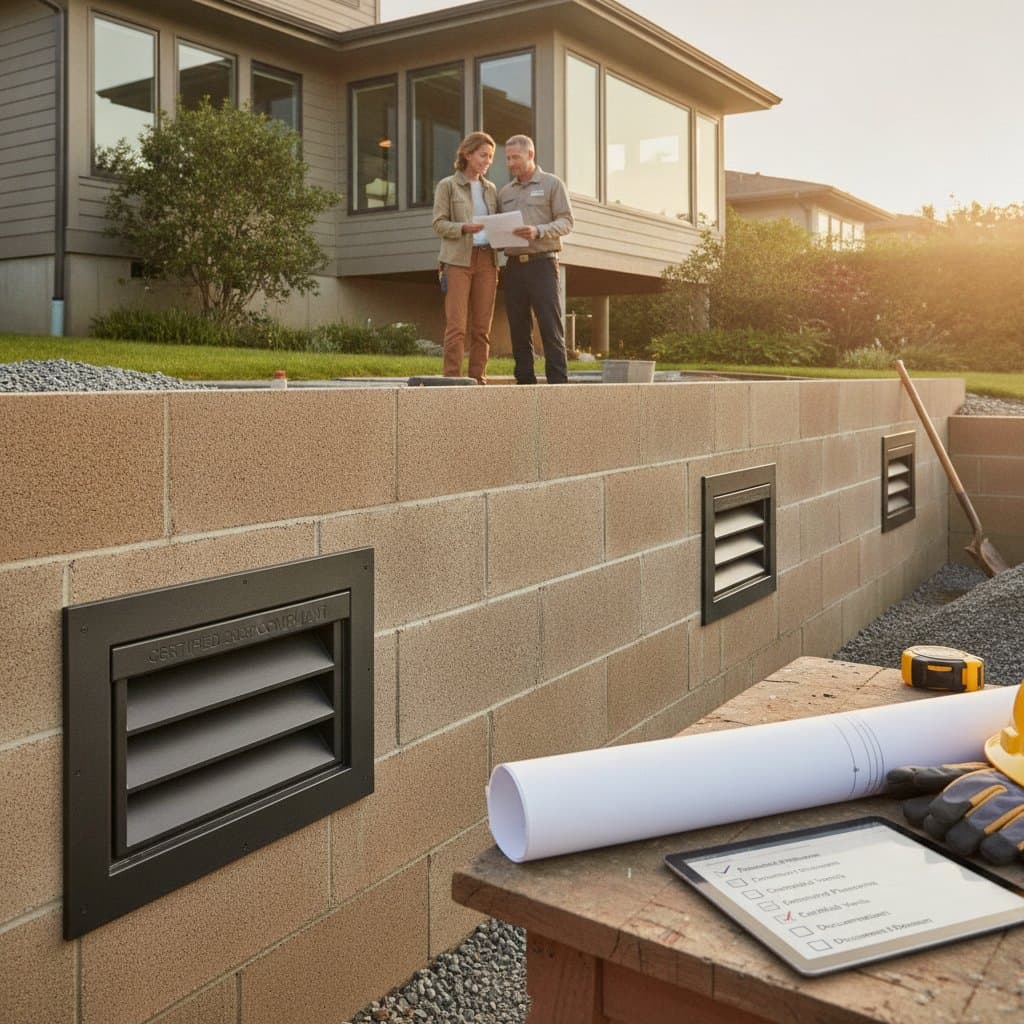
Vents represent a primary vulnerability during wildfires. Embers, transported miles by wind, can infiltrate attic, crawl space, or soffit openings. Once inside, these embers ignite insulation, framing, or accumulated debris, escalating a minor ignition into a full-scale blaze.
Contemporary building standards mandate or strongly advise ember-resistant vent screens constructed from non-combustible metal mesh. These screens restrict airflow minimally to prevent ember penetration while avoiding moisture buildup or excessive ventilation blockage. Implementing such measures delivers substantial reassurance, surpassing the benefits of vegetation management alone.
Selecting the Right Materials for Optimal Performance
Previous experiences highlight the pitfalls of opting for inexpensive aluminum mesh, which deforms in heat and corrodes in coastal environments. Stainless steel 304 mesh, by contrast, demonstrates superior resilience. The following table outlines primary material options and their practical attributes.
| Material Type | Ember Resistance | Durability | Cost per Vent | Notes |
|---|---|---|---|---|
| Galvanized Steel | High | 10-15 years | $20 - $40 | Economical option; prone to rust in coastal zones |
| Stainless Steel 304 | Very High | 20-25 years | $40 - $70 | Superior longevity and reliability |
| Aluminum | Moderate | 5-10 years | $15 - $25 | Lightweight; vulnerable to melting in intense heat |
| Copper | High | 15-20 years | $60 - $90 | Premium aesthetic appeal at higher cost |
| Fiberglass | Poor | 3-5 years | $10 - $15 | Unsuitable for high-risk wildfire areas |
Professionals recommend steering clear of plastic or fiberglass alternatives, as they melt rapidly and fail to impede embers. Stainless steel stands out as the preferred selection, despite occasional price variations due to supply chain issues.
Installation Options: DIY Versus Professional Assistance
The choice between self-installation and hiring experts depends on accessibility and safety considerations. Ground-level crawl space vents often permit straightforward replacement. Higher placements, such as attic or soffit vents, demand roof access, ladders, or entry into confined areas.
Suitable for DIY Installation
- Updating screens on accessible, ground-level vents.
- Attaching ember-resistant covers using secure screw fasteners.
- Applying high-temperature caulk to seal gaps around vent frames.
Tasks Requiring Professional Expertise
- Reaching and modifying roof or attic vents.
- Altering soffit ventilation systems.
- Integrating new vents into stucco or siding structures.
Homeowners uncomfortable with heights or enclosed spaces should engage a certified wildfire retrofit specialist. These professionals possess knowledge of regional codes and can verify compliance during inspections.
Obtain estimates from at least three local contractors prior to proceeding. Regional pricing differs, and certain firms bundle services like attic debris removal or insulation enhancements.
Strategic Timing to Navigate Market Fluctuations
Prices for fire defense materials vary seasonally. Early spring, preceding peak wildfire periods, offers optimal purchasing opportunities. At this time, contractors maintain greater availability, and vendors provide discounts ahead of heightened demand.
For comprehensive retrofits, procure supplies in advance. Imported stainless steel mesh may encounter shipping delays, extending timelines from two weeks to two months. Factor these elements into project planning.
Consider integrating vent screen work with complementary upgrades, such as roof debris clearance, gutter protection, or deck treatments. This approach minimizes labor expenses through consolidated exterior improvements.
Navigating Building Codes and Insurance Implications
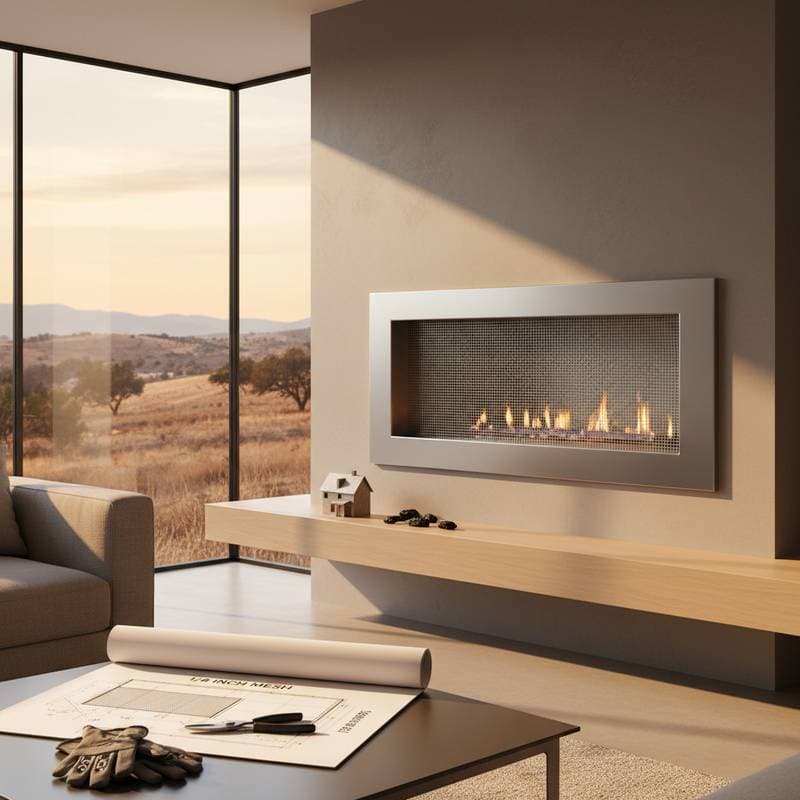
Authorities in fire-vulnerable areas increasingly enforce ember-resistant venting for new builds and significant renovations. Requirements specify non-combustible materials like stainless or galvanized steel, with mesh openings no larger than 1/8 inch.
Insurers scrutinize wildfire mitigation efforts closely. Documentation of vent screen installations, including specifications and invoices, can support applications for rate discounts or eligibility for protective grants.
Retain all records meticulously. These proofs not only satisfy regulatory demands but also enhance property resilience documentation.
Realizing the Value of Ember-Resistant Vent Screens
Financially, vent screens deliver exceptional returns on investment among wildfire safeguards. Investments under two thousand dollars mitigate risks of total loss and frequently yield insurance savings. During property sales, these features appeal to risk-conscious buyers.
Beyond economics, the security they provide proves invaluable. Homeowners gain confidence that embers encounter formidable resistance before accessing vulnerable interior spaces.
Steps to Implement Effective Protection
Begin by assessing your home's vent locations and current screens. Consult local codes to confirm compliance needs. Select durable materials suited to your environment, then decide on installation methods based on your skills and access.
Schedule work during low-demand periods to control costs. Document every aspect for insurance and resale benefits. Regular inspections ensure ongoing efficacy, completing a robust defense strategy against wildfire threats.