Tank Versus Tankless: Unveiling 2026 Water Heater Costs
Home renovation expenses in the United States face upward pressure from multiple factors beyond general inflation. Tariffs on imported steel and copper elevate prices for tank and tankless water heaters alike. Supply chain disruptions compound the issue, alongside rising labor rates. Individuals planning a water heater replacement benefit from grasping these dynamics to establish accurate budgets and sidestep unexpected charges.
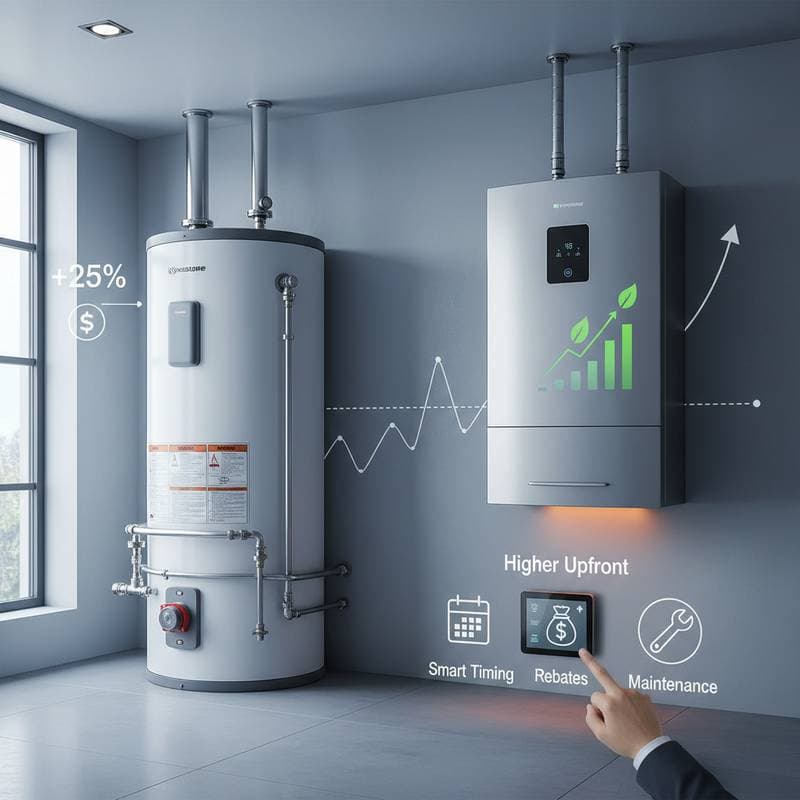
A recent personal replacement of a failed 50-gallon tank unit revealed quotes 25 percent above prior rates for identical models. This episode underscores that decisions hinge on more than brand or size; timing, efficiency objectives, and enduring benefits play pivotal roles.
Dissecting Cost Variations
Traditional tank water heaters remain popular among homeowners due to their accessible initial price point. Installed basic electric or gas models fall within the range of $1,400 to $2,500. Tankless systems, which provide hot water on demand, command prices from $3,200 to $5,600 upon installation. These figures warrant closer examination to reveal the full financial picture.
Factors Fueling Price Increases
Market forces inflate costs for critical elements like steel tanks and copper heat exchangers through elevated raw material prices and import duties. Freight expenses rise as well, impacting both the unit itself and installation services. Demand for contractors outpaces supply, extending wait times for qualified plumbers to several weeks. Consequently, project durations lengthen, and labor fees climb.
Gas-powered tankless units suffer the most significant impacts, owing to reliance on imported components such as burners and venting assemblies. Electric tankless alternatives prove somewhat simpler to obtain, yet they frequently necessitate electrical panel modifications, adding $800 to $1,500 to the overall expenditure.
Decision Guide: Self-Installation or Professional Service
Homeowners with plumbing expertise may handle replacing a comparable tank unit in its existing spot. Such a task demands 6 to 8 hours, along with appropriate tools, protective equipment, and a building permit. However, managing gas connections or venting arrangements requires caution and precision.
Opt for professional installation in these scenarios:
- When the replacement involves a different heater type or repositioning that calls for fresh venting or gas piping
- If the home's electrical system requires enhancement
- During transitions from tank to tankless configurations
- Absent familiarity with prevailing local plumbing regulations
Safety advisory: Faulty setup risks gas leaks, carbon monoxide accumulation, or electrical dangers. Most areas mandate licensed plumbers for gas or vented appliance work.
Solicit three complimentary estimates from nearby specialists prior to finalizing plans. Variations in bids prove substantial, particularly amid constrained labor availability.
Evaluating Performance and Durability
Tank water heaters endure 10 to 12 years on average, influenced by water hardness and routine care. Tankless models, subjected to yearly flushing and correct venting, often exceed 20 years of service. Their operational disparity explains the variance: tanks maintain constant hot water temperatures, incurring standby losses, whereas tankless units activate heating solely upon demand, minimizing wasted energy.
In one household upgrade from a 50-gallon gas tank to an efficient tankless counterpart, monthly gas usage dropped by approximately 30 percent. Initial outlay proved substantial, yet sustained reductions justified the investment.
Executing the Upgrade
Begin the process by assessing the current system's age and efficiency rating. Collect estimates for tank and tankless replacements from multiple sources. Direct contractors to detail:
- Comprehensive installation expenses, encompassing permits and venting requirements
- Eligible rebates or utility incentives
- Coverage under warranties for components and workmanship
- Projected schedules accounting for supply constraints
Beyond initial pricing, evaluate options based on durability, energy reductions, and enhanced comfort levels.
Estimate energy benefits: Utility providers maintain online tools to project yearly expenses for various systems using regional rate data.
Advancing Your Replacement Plan
Prioritize systems aligned with household hot water demands and energy profiles. Factor in local incentives to offset costs, and schedule during off-peak seasons to secure favorable rates. Regular maintenance extends lifespan and efficiency, ensuring the chosen solution delivers reliable performance for years ahead.