The Real 2026 Costs of Aging Bathroom Remodels
Homeowners often face difficult decisions when planning a remodel for an aging bathroom. Existing spaces may fail to support safe movement, efficient water usage, or current comfort levels. Remodeling costs for aging-in-place or accessible designs go beyond surface-level changes. Factors such as building code requirements, structural constraints, plumbing enhancements, and safety integrations shape the budget and ensure enduring functionality.
This type of remodel combines practical functionality with engineering precision. Projects encompass plumbing reconfiguration, electrical system balancing, waterproofing applications, ventilation management, and fixture choices that integrate seamlessly. Grasping these interconnections forms the basis for precise budgeting and sustained reliability.
Technical Overview: What Drives the Cost of Aging Bathroom Remodels
Aging bathroom remodels extend far beyond aesthetic improvements. Expenses cover both apparent elements like tiles and hidden infrastructure such as wiring and pipes. Primary factors influencing costs include:
- Structural Modifications: Widening doorways, strengthening floors to accommodate walk-in tubs or heavy tile installations, and adding wall blocking for secure grab bar mounting.
- Mechanical and Electrical Upgrades: Installing dedicated ground-fault circuit interrupter outlets, smart lighting controls, energy-efficient exhaust fans, and underfloor heating systems.
- Water System Improvements: Incorporating pressure-regulating valves, temperature-limiting controls, and water-saving fixtures that maintain flow while reducing consumption.
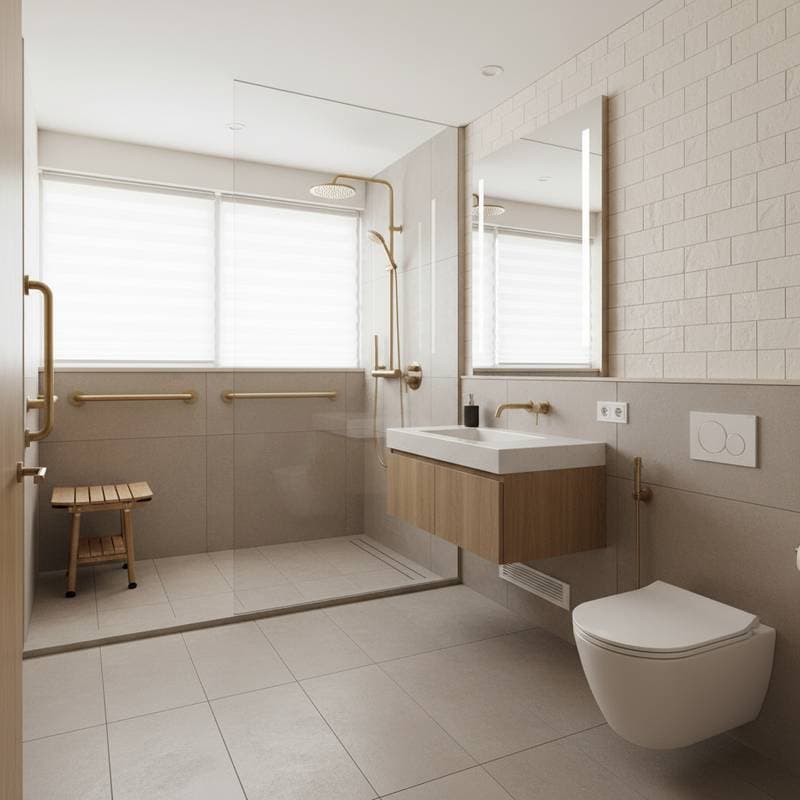
- Accessibility Fixtures: Selecting options like zero-threshold showers, elevated toilets for easier use, and height-adjustable sinks for varied user needs.
- Finishes and Waterproofing: Choosing slip-resistant floor surfaces, mold-resistant wall coverings, and built-in drainage solutions to prevent moisture issues.
Every choice influences overall expenses, operational efficiency, and upkeep demands. Precision matters in accessibility-focused designs; for instance, incorrect shower pan slopes or improperly positioned grab bar supports can compromise safety and fail inspections.
System Types Breakdown
Aging bathroom remodels feature technical systems categorized into four key areas, each carrying unique cost and efficiency profiles.
1. Curbless Shower Systems
Curbless showers offer barrier-free access by creating a level entry that reduces fall risks. These installations necessitate subfloor adjustments to achieve adequate drainage angles and unbroken waterproof barriers.
- Typical Cost Range: Medium to high, driven by foundational alterations
- Key Components: Channel drains, impermeable liners, and tapered mortar bases
- Best Use: Properties with concrete slab foundations or ground-level bathrooms designed for mobility
Performance Metrics:
- Minimum drain capacity: 2 to 3 gallons per minute
- Wet slip resistance: Friction coefficient of at least 0.42
2. Walk-In Tub Systems
Walk-in tubs enable safe seated bathing with optional therapeutic jets. They require robust floor reinforcement and sufficient hot water supply to handle substantial fill volumes.
- Typical Cost Range: High, accounting for plumbing rerouting and electrical additions
- Efficiency Rating: 50 to 80 gallons per cycle, scaled to tub dimensions
- Best Use: Residences equipped with oversized water heaters or on-demand units
Performance Metrics:
- Filling duration: 4 to 8 minutes
- Draining duration: 3 to 6 minutes
- Jet operation power: 10 to 15 amps on a separate circuit
3. Accessible Vanities and Fixtures
Height-adjustable vanities and suspended sinks provide wheelchair-friendly access with ample legroom. Lever-handled or sensor-activated faucets minimize physical effort.
- Typical Cost Range: Moderate
- Efficiency Rating: Faucet flow at 1.2 gallons per minute or lower
- Best Use: Adaptations aimed at prolonged independent use
Performance Metrics:
- Maximum counter elevation: 34 inches
- Minimum under-counter space: 27 inches for knees
4. Grab Bars and Structural Reinforcement
Grab bars demand in-wall supports installed during construction. Reinforcements adhere to strict standards for weight distribution and positioning.
- Typical Cost Range: Low to moderate, depending on existing wall construction
- Performance Metrics:
- Minimum support strength: 250 pounds
- Installation height: 33 to 36 inches from the floor
Cost-Benefit Analysis: Short-Term Expense vs. Long-Term Value
Aging bathroom remodels involve elevated initial outlays compared to basic refreshes. However, they yield significant returns through enhanced safety, ease of use, and preserved home equity.
Cost Breakdown Table
| System Component | Average Cost | Lifespan (Years) | Annualized Cost | Maintenance Level |
|---|---|---|---|---|
| Curbless Shower | $10,000–$18,000 | 25 | $400–$720 | Moderate |
| Walk-In Tub | $8,000–$15,000 | 20 | $400–$750 | Low |
| Accessible Vanity | $2,500–$4,000 | 20 | $125–$200 | Low |
| Grab Bars | $200–$800 | 25 | $8–$32 | Very Low |
| Electrical and Ventilation | $2,000–$4,500 | 25 | $80–$180 | Low |
Full remodels may total $20,000 to $30,000, yet these investments lower injury probabilities, cut repair needs, and facilitate aging at home. In the long run, such upgrades surpass cheaper alternatives prone to repeated fixes.
Professional Recommendation: When to Consult Specialists
Homeowners might handle minor aesthetic work alone, but accessibility and structural changes demand expert involvement. Engage a structural engineer or certified aging-in-place professional to assess weight limits, water flow capacities, and component compatibility.
Consult professionals when:
- Modifying load-bearing walls or floor joists
- Upgrading main electrical panels
- Combining waterproofing with heated flooring
- Designing bespoke storage or accessible cabinetry
- Navigating local permits and inspections
Expert guidance safeguards compliance and optimizes spending by avoiding expensive corrections.
Maintenance Planning and Lifecycle Costs
Longevity hinges on selecting resilient materials and following upkeep routines. Opt for durable porcelain tiles with grip, seamless solid-surface walls, and corrosion-proof metal hardware to limit interventions. Essential tasks involve:
- Annual checks of sealant lines and grout integrity
- Quarterly filter cleaning for ventilation units
- Biennial verification of grab bar fastenings
- Periodic flushing of pipes to clear deposits
Routine care prolongs component life and upholds accessibility standards.
Taking Action: Building a Safe and Efficient Bathroom for the Long Term
Remodeling an aging bathroom invests in security, ease, and resource efficiency. True expenses arise from harmonizing foundational, operational, and user-friendly elements for decades of service. Start with an evaluation of present setups and define measurable objectives.
Choose certified high-performance items and schedule ongoing care to sustain peak operation. This approach creates not only a secure environment but a resilient space that adapts to changing requirements.