Why Mycelium Insulation Boosts Home Value by 2026
Home renovation projects across the country face rising expenses beyond inflation alone. Material costs fluctuate as sustainable building options transition from niche markets to mainstream adoption. One innovative solution gaining significant traction is mycelium insulation. This material, derived from the root structure of mushrooms, transforms approaches to insulation performance, environmental impact, and long-term investment returns for builders and homeowners alike.
Why Mycelium Insulation Is Gaining Ground
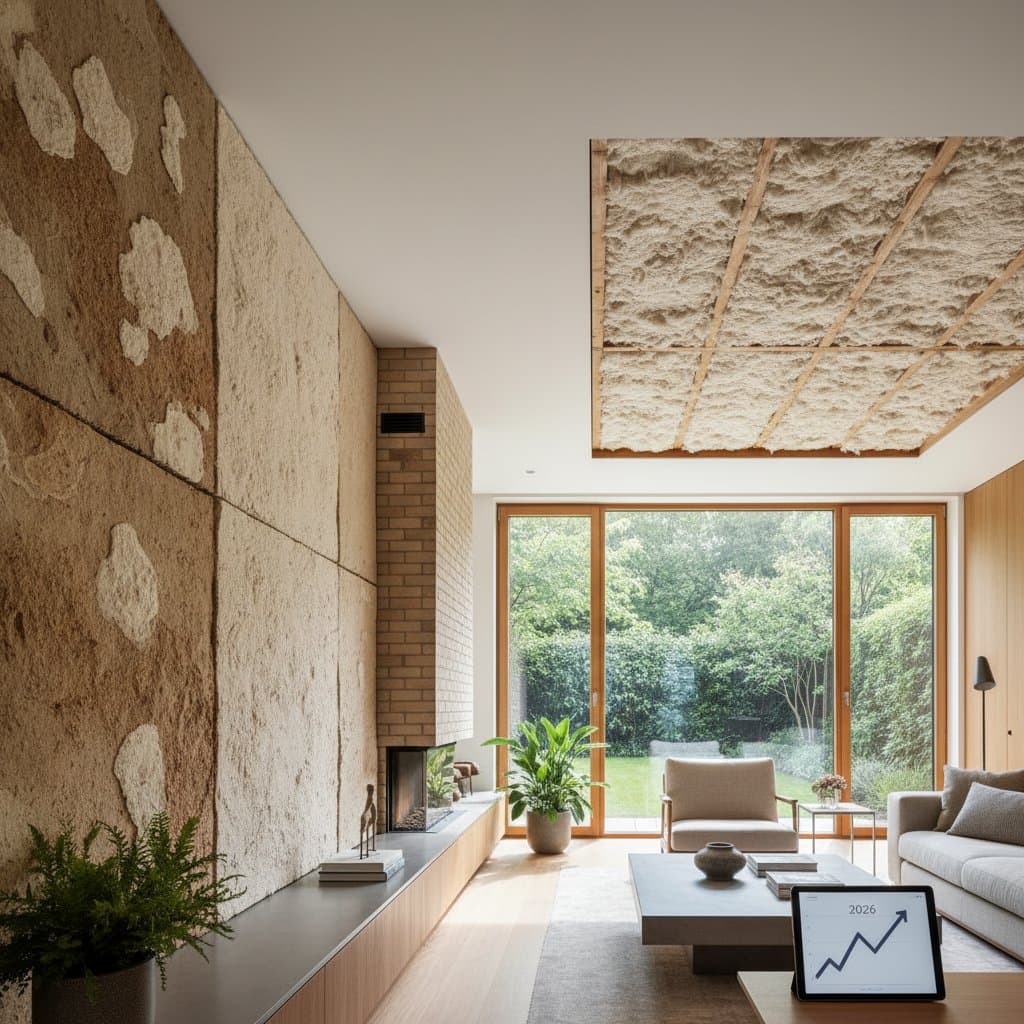
Several years ago, the idea of incorporating fungus-based materials into home walls might have seemed improbable. Many individuals invest considerable effort in preventing mold and mildew from entering their living spaces. However, mycelium insulation differs entirely from such concerns. Manufacturers produce it under strictly controlled conditions, then dry and treat it to form a dense, fire-resistant, and fully biodegradable product. This sustainable insulator matches the effectiveness of fiberglass and mineral wool while requiring substantially less energy during production.
Market trends increasingly direct homeowners toward low-carbon alternatives. Tariffs on raw materials for traditional insulation, combined with escalating transportation expenses, have reduced the price gap between conventional and bio-based choices. Mycelium insulation now excels in both sustainability and cost-effectiveness. These attributes position it as a powerful enhancer of property value for homes entering the resale market.
Cost Breakdown with Market Context
Prices for mycelium insulation have reached stability with the emergence of additional regional suppliers. The primary variable involves the cost of the growing substrate, which varies based on local availability of agricultural waste. The following table provides a breakdown of typical costs per square foot of wall coverage:
| Material Type | Average Material Cost | Installed Cost | Notes |
|---|---|---|---|
| Mycelium Panels | $3.00 - $5.00 | $5.50 - $7.50 | Includes sealing and finishing |
| Fiberglass Batts | $1.50 - $2.50 | $3.00 - $4.50 | Lower upfront cost, higher environmental impact |
| Mineral Wool | $2.50 - $4.00 | $4.50 - $7.00 | Good fire rating but energy-intensive to produce |
| Spray Foam | $3.50 - $6.00 | $6.50 - $9.00 | High R-value but off-gasses chemicals |
Market dynamics introduce greater predictability for bio-based options. Traditional insulation depends on petroleum-derived processes, leaving costs vulnerable to oil price volatility. In contrast, mycelium insulation utilizes stable agricultural byproducts such as corn husks or sawdust. Homeowners planning projects benefit from this reliability, which simplifies budgeting and financial forecasting.
Strategic Timing Advice
Supply chain improvements have enhanced availability for mycelium insulation, though regional lead times persist. Schedule installations for late spring or early summer, when moderate humidity levels facilitate optimal conditions and contractor availability peaks without excessive demand. During high-season months, professionals often apply premium rates, and specialty materials may experience extended shipping delays.
For those aiming to increase resale value, complete the insulation upgrade prior to listing the property. Green-certified insulation stands out prominently in home energy assessments, and prospective buyers place growing emphasis on eco-friendly features. Properties highlighting sustainable insulation alongside reduced energy expenses typically sell more quickly and secure closing prices 3 to 5 percent higher than comparable homes lacking such upgrades.
ROI and Energy Savings Potential
Financially, mycelium insulation delivers benefits in immediate comfort and enhanced resale value. Energy modeling indicates annual heating and cooling savings of 15 to 25 percent relative to uninsulated or inadequately insulated walls. These reductions equate to $300 to $700 in yearly savings, varying by regional utility rates and home size.
Incorporating incentives for sustainable materials accelerates the return on investment. Numerous local utility providers now extend rebate programs to bio-based insulation, providing $0.50 to $1.25 per square foot in credits. Consequently, mycelium insulation emerges as one of the few environmentally conscious upgrades that recoups costs within a decade while contributing measurable value to property sales.
Common Installation Challenges and How to Handle Them
New materials inevitably present a learning curve, and mycelium insulation proves no different. The following outlines key challenges along with practical management strategies.
1. Moisture Sensitivity
Mycelium insulation demonstrates strong mold resistance in dry conditions, yet it absorbs water upon exposure. Install a vapor barrier to seal walls thoroughly, and address any roof leaks prior to beginning the project.
2. Supply Chain Delays
Regional production means fulfillment times can extend unexpectedly. Place orders four to six weeks in advance of the intended start date to mitigate risks.
3. Limited Installer Experience
Many contractors lack familiarity with bio-based products. During selection, inquire about prior experience with sustainable materials and seek certifications from recognized green building organizations.
4. Inspection and Permitting
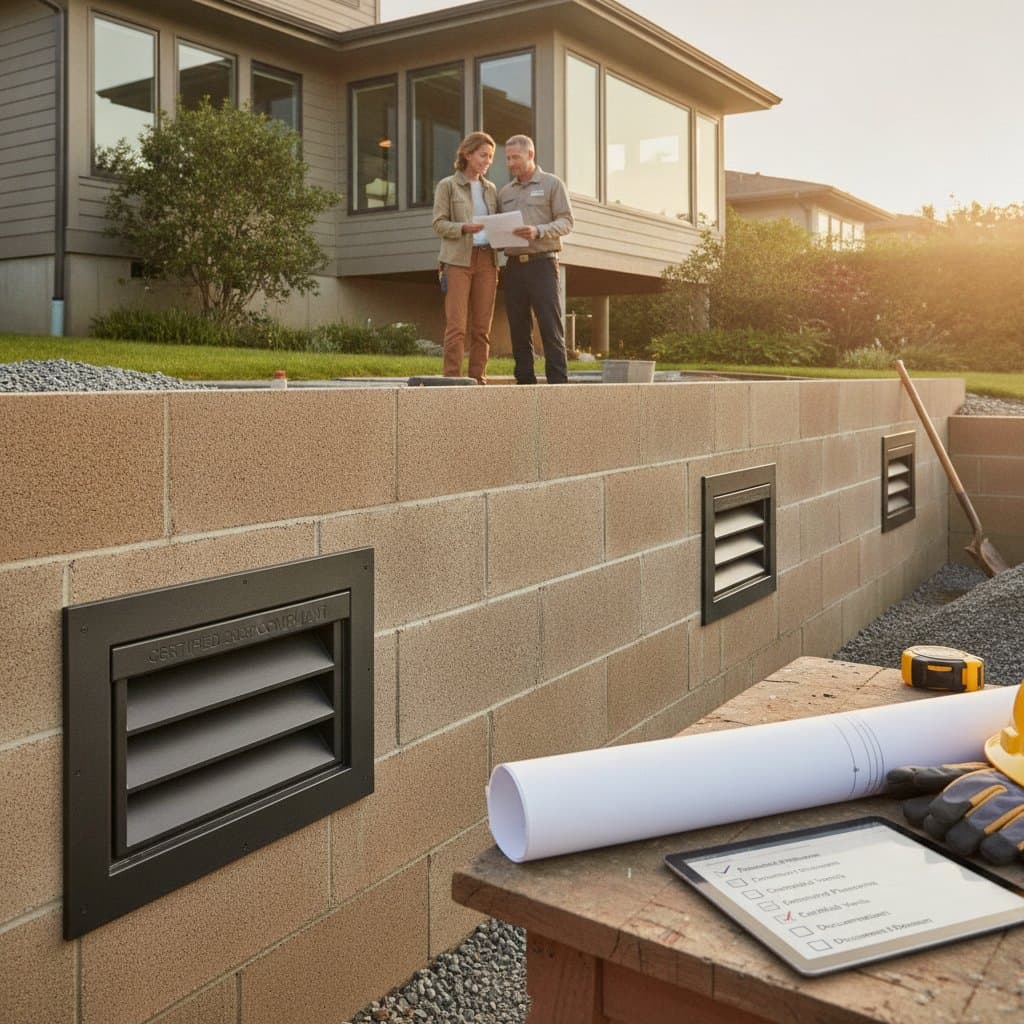
Building inspectors may request proof of code compliance. Prepare by maintaining product data sheets and fire safety documentation throughout the process.
Addressing these elements proactively ensures smooth project execution and minimizes the need for expensive corrections.
Steps to Implement Mycelium Insulation
To proceed with mycelium insulation, develop a structured plan that covers assessment, procurement, and maintenance.
- Conduct a home energy audit to identify insulation needs and potential savings.
- Research local suppliers and compare quotes for materials and installation.
- Consult certified contractors experienced in bio-based installations.
- Apply for relevant rebates and incentives before purchasing.
- Schedule inspections to confirm compliance during and after installation.
Preserving Long-Term Performance
Regular maintenance sustains the material's effectiveness. Inspect walls annually for signs of moisture intrusion, and clean air vents to optimize airflow. Avoid storing items directly against insulated surfaces to prevent compression. With proper care, mycelium insulation continues to deliver energy efficiency and value enhancement for years.