Universal Design Features That Accelerate Home Sales
Homeownership brings joy, yet selling a property demands strategic preparation. Sellers often invest in surface-level enhancements such as fresh paint or curb appeal improvements. However, incorporating universal design elements proves more effective for attracting diverse buyers and expediting the sale process.
Universal design creates environments that accommodate individuals across all ages, abilities, and lifestyles. These features enhance safety, comfort, and usability without compromising aesthetics. Properties equipped with such elements appeal to families, seniors, and future-focused buyers, often resulting in faster closings and higher offers.
Understanding Universal Design Principles
Universal design originates from principles that prioritize inclusivity in architecture and interior spaces. Developers and remodelers apply these guidelines to ensure doorways, fixtures, and layouts serve everyone equally. The approach avoids the institutional appearance of traditional accessibility modifications, instead integrating seamless, stylish solutions.
For instance, wide doorways and lever-style handles allow effortless passage for strollers, wheelchairs, or those with limited grip strength. Non-slip flooring and ample lighting reduce accident risks, fostering a sense of security. Buyers touring such homes perceive immediate value, as these details suggest durability and foresight in construction.
Real estate data indicates that universally designed properties spend less time on the market. Agents emphasize these attributes in listings to highlight versatility. A home that adapts to life changes stands out amid competition, drawing interest from a wider demographic.
Why Accessibility Drives Faster Sales
Buyers today seek properties that support long-term residency. Families with children appreciate childproof elements like rounded edges and secure cabinetry. Older adults value features that facilitate aging in place, such as single-level living and easy-to-reach controls.
During open houses, universally designed homes create positive first impressions. Spacious entryways without thresholds make navigation intuitive, while contrasting colors aid visibility for those with visual impairments. These elements convey thoughtfulness, prompting buyers to envision their future in the space.
Market trends show that accessible homes command premiums of up to 10 percent. Sellers who prioritize these upgrades report reduced negotiation hurdles. The broad appeal minimizes the need for extensive marketing, as word-of-mouth recommendations spread quickly among buyer networks.
Essential Universal Design Features for Quick Resale
Implementing key universal design elements requires targeted updates rather than complete overhauls. Focus on high-traffic areas like entrances, bathrooms, and kitchens to maximize impact. Each addition enhances functionality while elevating the property's modern allure.
Start with entryways by installing zero-step thresholds and automatic door openers. These modifications eliminate barriers, making the home welcoming from the outset. Pair them with wide, smooth pathways to ensure fluid movement throughout the interior.
In bathrooms, opt for walk-in showers with built-in benches and fold-down grab bars. Adjustable-height counters accommodate seated or standing users. Touchless faucets and amplified mirrors further improve hygiene and convenience for all occupants.
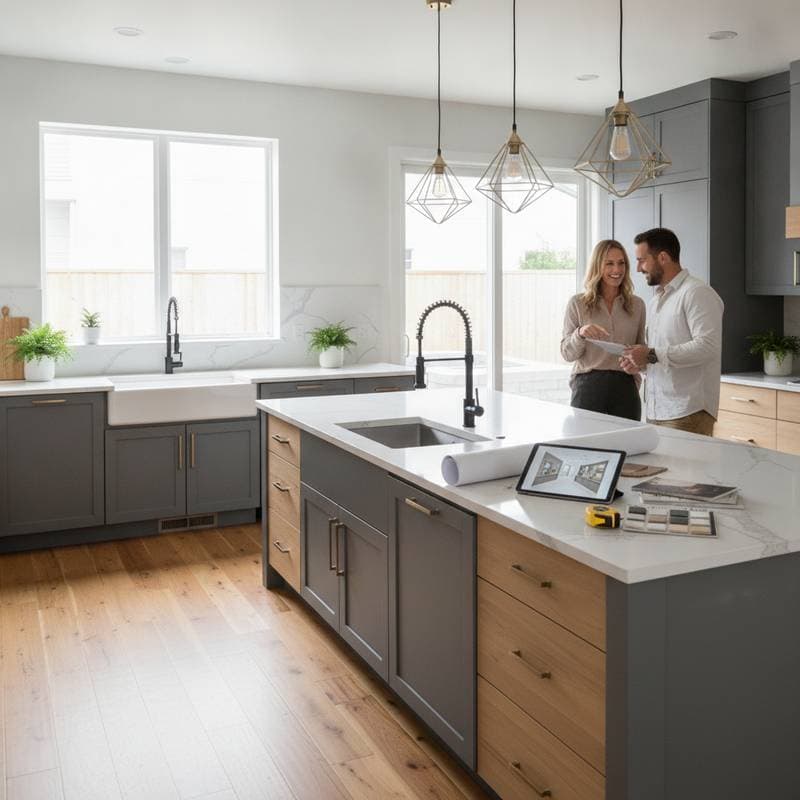
Kitchens benefit from pull-out shelves, lower counter segments, and front-mounted controls on appliances. These allow access without excessive reaching or bending. Clear sightlines and task lighting enhance safety during meal preparation.
Budget-Conscious Implementation Strategies
Affordable changes yield significant returns without straining finances. Begin with simple swaps that require minimal disruption. Document each improvement to showcase during showings, reinforcing the home's value proposition.
Consider these cost-effective options:
- Switch traditional doorknobs to lever handles for easier operation by arthritic hands or those carrying loads.
- Install motion-activated lighting in corridors and stairwells to prevent trips in low light.
- Add reinforced grab bars in showers and toilets, selecting finishes that blend with existing decor.
- Apply high-contrast paint schemes, such as dark floors against light walls, to guide movement visually.
- Equip showers with handheld sprayers and temperature-regulating valves for versatile use.
For mid-range investments, integrate smart home technologies like voice-activated controls and adjustable bed heights. These appeal to tech-savvy buyers while supporting accessibility needs. Professional installation ensures compliance with building codes, avoiding future liabilities.
Homeowner Essentials for Universal Design Upgrades
Difficulty Level: Beginner to Intermediate
Tools Needed: Basic hand tools, level, drill, screwdriver, measuring tape
Suitable for DIY: Handle replacements, lighting additions, grab bar installations with proper anchoring
Professional Assistance Recommended: Doorway expansions, exterior pathway regrading, full bathroom conversions
Cost Estimates: DIY projects range from low to moderate; professional remodels depend on project scale and materials
Approach upgrades methodically to maintain structural integrity. Consult local regulations for any modifications affecting load-bearing elements. Track expenses and before-after photos to justify value during appraisals.
Advancing Your Property's Market Position
Universal design transforms a standard home into a versatile asset. These enhancements not only facilitate quicker sales but also promote sustainable living. Buyers recognize the investment in quality and adaptability, leading to enthusiastic bids.
Prioritize visible, high-use areas to demonstrate commitment to inclusivity. Collaborate with contractors experienced in universal principles for complex tasks. As a result, your property emerges as a top choice in a competitive landscape.
Ultimately, these features future-proof the home, benefiting current and future owners alike. Sellers who embrace this approach gain confidence in their market readiness. The outcome extends beyond transactions to creating enduring value.