Granny Pods: Projected ROI and Resale Gains by 2026
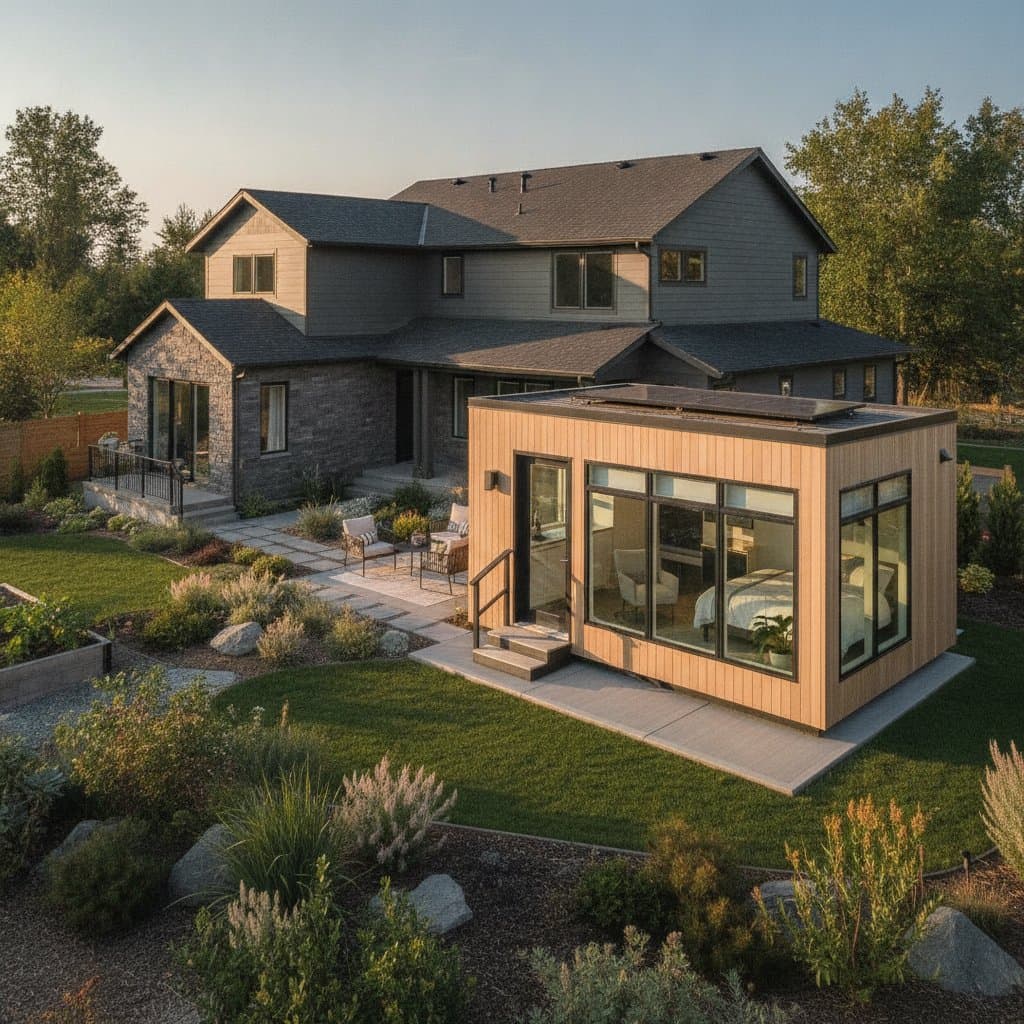
Homeownership involves balancing aspirations with practical considerations. Individuals often seek ways to accommodate family members, increase property worth, or generate additional revenue. The granny pod emerges as a versatile solution that addresses these needs. This compact, independent dwelling unit, constructed in the backyard, has evolved from a specialized choice into a strategic investment for those prioritizing adaptability and enduring financial benefits.
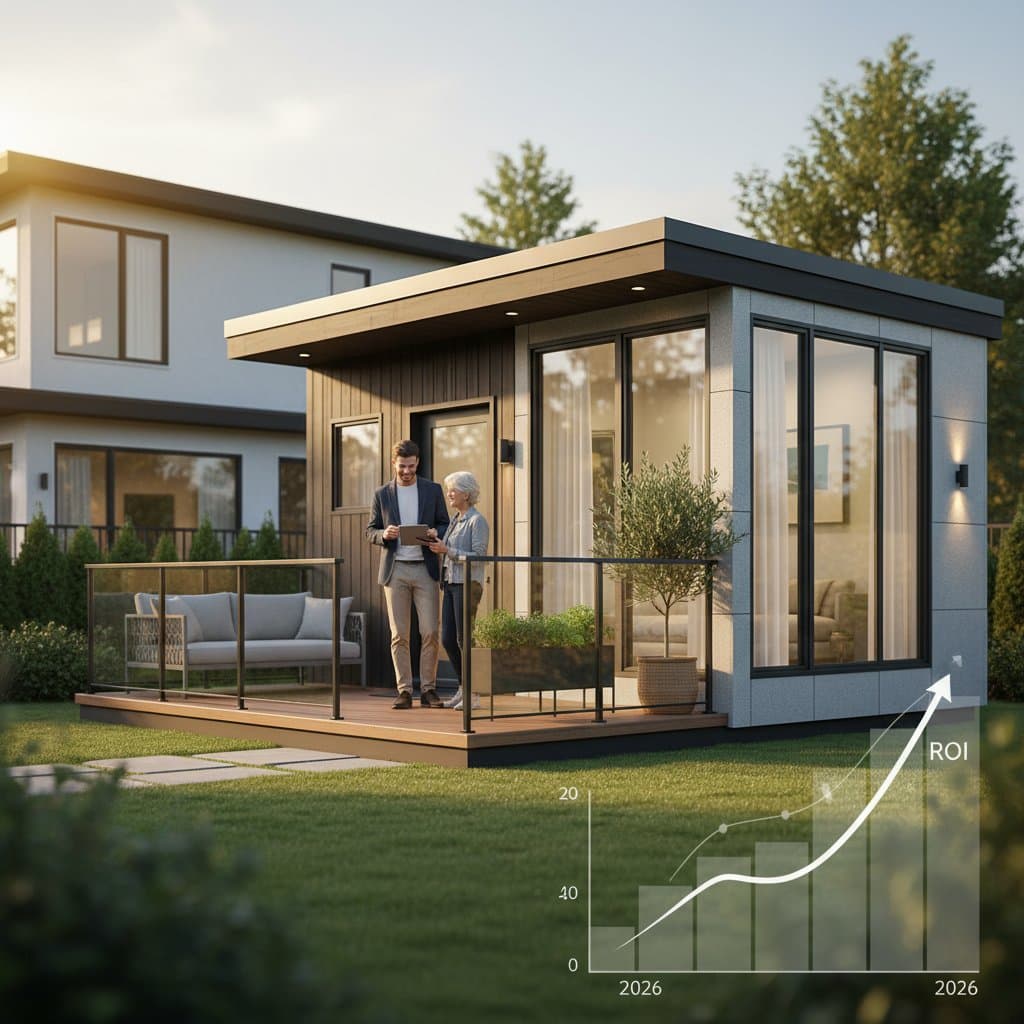
Homeowners frequently inquire about the impact of a granny pod on resale value. These backyard structures provide emotional satisfaction alongside economic advantages. The following sections examine their effect on resale prospects, anticipated returns on investment, and criteria for determining suitability for a specific property.
Why Granny Pods Are Gaining Value
Multiple elements contribute to the increasing appeal of granny pods:
- Housing Flexibility: Prospective buyers prioritize properties that accommodate evolving family dynamics. A pre-existing accessory dwelling unit (ADU) facilitates multigenerational arrangements or supplementary rental opportunities.
- Rental Potential: These units can produce reliable monthly revenue through long-term leases or temporary rentals, thereby enhancing overall property valuation.
- Aging-in-Place Options: Families prefer maintaining close ties with senior relatives without the expense of external care facilities. A granny pod supports autonomy while ensuring accessibility, attracting diverse purchaser profiles.
- Prefab Efficiency: Prefabricated designs minimize construction expenses and timelines, enabling faster realization of benefits relative to extensive home renovations.
Market experts forecast sustained expansion in ADU deployments, fueled by evolving municipal zoning policies that simplify approvals for backyard units. As appreciation for such versatility grows, resale premiums are projected to rise progressively over the coming years.
Early Signs That a Granny Pod Could Boost Your Resale Value
To evaluate the appropriateness of a granny pod for a property, consider these key signals:
- Zoning-Friendly Neighborhood: Districts with permissive ADU guidelines typically experience elevated resale uplifts, as purchasers recognize the legal viability of the additional space.
- High Rental Demand: In densely populated urban or suburban zones facing housing shortages, these units hold particular allure for income supplementation.
- Larger Lot Size: Ample yard area allows installation without compromising aesthetics, thereby heightening buyer enthusiasm.
- Strong Local Real Estate Market: Regions with appreciating home values benefit disproportionately from the inclusion of a practical secondary residence, amplifying capital growth.
These indicators remain relevant even for owners not planning imminent sales, as they inform the durability of the investment's worth.
Budget-Friendly Strategies
Not every project requires premium features; economical approaches can yield effective results:
- Choose a Smaller Model: Opting for reduced dimensions lowers expenses on materials and workmanship.
- Opt for Prefab Over Custom: Factory-built units streamline production, curtailing both duration and expenditure.
- Use Existing Utilities: Positioning the structure adjacent to current water, sewer, or power lines diminishes connection complexities.
- Simplify the Interior: Incorporate resilient, affordable elements such as vinyl plank flooring, laminate surfaces, and standard hardware.
- Do Some Work Yourself: Tasks like applying paint, arranging outdoor greenery, and assembling basic furnishings offer opportunities for personal involvement and cost savings.
Thoughtful preparation enables even limited funds to support a practical, visually pleasing addition that elevates property appeal.
Homeowner Essentials
Difficulty Level: Beginner to Intermediate
Tools Needed: Basic hand tools, measuring tape, level, drill, safety gear, and ladders. Prefab assemblies might necessitate socket sets or power tools.
When to DIY: Painting, landscaping, and installing simple fixtures.
When to Call a Pro: Utility connections, structural work, and permitting.
Estimated Costs: DIY prefab kits start at several thousand dollars, whereas professionally installed versions may approach upper five-figure amounts.
Common Mistakes to Avoid
- Skipping Permits: Proceeding without authorization risks diminishing resale worth and hindering financial or coverage processes.
- Overbuilding for the Lot: An oversized unit that overshadows the yard can deter interest; proportion the design to harmonize with the site.
- Ignoring Privacy: Incorporate barriers like fences or plantings to ensure seclusion for both the primary residence and the pod.
- Neglecting Accessibility: Design with broad entryways and barrier-free paths to accommodate varying mobility levels, expanding market reach.
Steering clear of these errors preserves the project's intelligence, adherence to codes, and attractiveness to subsequent owners.
Making It Happen
Upon committing to the project, initiate with thorough investigation and preparation. Consult the local building authority regarding ADU stipulations, then evaluate prefabrication providers or specialists in backyard dwellings. Develop a comprehensive budget encompassing building, approvals, and site enhancements.
After completion, explore leasing the unit temporarily prior to any property sale. This method tests market responsiveness, generates earnings, and compiles evidence of utility that resonates with potential buyers. During the sales process, underscore the pod's adaptability in promotional materials, spotlighting applications for familial support, revenue streams, or visitor hosting.
Building Confidence as a Homeowner
Investing in a granny pod equips owners with enhanced control over their living arrangements and financial future. This addition not only meets immediate requirements but also positions the property for sustained appreciation. By integrating flexibility and foresight, homeowners cultivate lasting security and opportunity.