Key Takeaways
- Spring provides optimal conditions for detecting roof problems before summer storms or intense heat exacerbate them.
- Ground-level DIY inspections enable homeowners to identify minor issues that could otherwise lead to significant structural damage.
- Prioritize observations of loose shingles, sagging regions, clogged gutters, and interior water stains as primary indicators of trouble.
Essential Red Flags Visible During DIY Inspections
Overview: The most critical signs include missing or cracked shingles, sagging areas, rust on flashing, and moisture stains within the home.
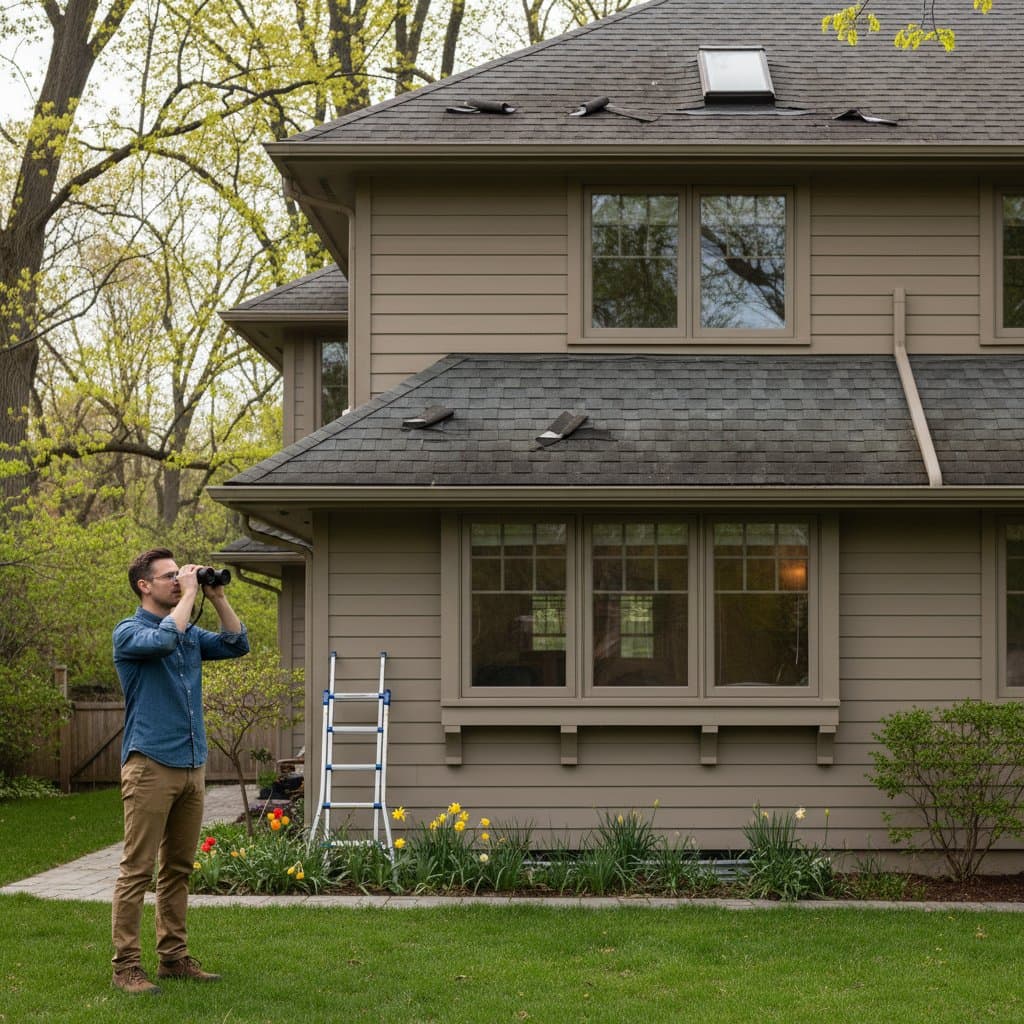
Homeowners can conduct effective roof assessments without ascending to dangerous heights by concentrating on observable alterations around the perimeter, gutters, and eaves. Water naturally accumulates in these zones, making them prime locations for early detection of deterioration. This approach minimizes risk while maximizing insight into your roof's condition.
Common Indicators and Their Implications
- Missing or curling shingles often result from prolonged exposure to weather elements or inadequate attic ventilation, allowing wind and rain to infiltrate.
- Sagging sections suggest underlying structural weaknesses, such as weakened rafters or trusses, which demand prompt professional evaluation.
- Rusted or deteriorated flashing around vents, chimneys, and edges indicates that moisture has penetrated beneath the roofing material, potentially compromising the entire system.
- Discoloration or stains on interior ceilings and walls serve as definitive evidence of ongoing leaks, even if external signs remain subtle.
By noting these details during a walkthrough of your property, you position yourself to address concerns before they escalate into costly emergencies.
The Impact of Moss and Algae Growth
Assessment: Moss and algae growth poses a genuine threat by retaining moisture and accelerating roof degradation over time.
These organisms thrive in consistently damp, shaded environments, particularly on north-facing roof pitches where sunlight is limited. Moss gradually works its way beneath shingles, lifting them and creating pathways for water entry. Algae, while appearing as mere aesthetic streaks, signals underlying humidity issues that erode shingle granules and shorten lifespan.
For minor infestations, apply a diluted solution of water and mild detergent using a soft-bristle brush or low-pressure hose to dislodge growth without damaging the surface. Steer clear of high-pressure washing, which can strip away protective layers, or aggressive chemicals that harm the environment and roofing materials. Consider installing zinc or copper strips along the roof ridge; these release ions in rainwater to inhibit future colonization naturally.
When growth spans extensive areas or recurs despite cleaning, engage a certified roofing specialist. Professional intervention ensures thorough removal and addresses root causes like poor drainage or ventilation to prevent recurrence.
Insights from Gutters and Downspouts
Indicator Role: Clogged or overflowing gutters highlight drainage deficiencies that erode roof edges, fascia boards, and foundational elements.
Seasonal accumulations of leaves, pollen, and twigs in spring frequently obstruct water pathways. Overflowing water then cascades along the roofline, saturating shingles and fostering wood rot in underlying structures. Verify that gutters remain securely fastened to the fascia and maintain a gentle slope directing water toward downspouts for efficient evacuation.
Examine gutters for accumulations of shingle granules, which shed naturally but in excess indicate accelerated wear from age or environmental stress. Inspect seams and joints for signs of separation or rust, as these vulnerabilities can redirect water toward exterior walls and siding, leading to broader property damage. Regular clearing, ideally every three months, preserves this critical barrier against water intrusion.
Overlooked Indicators in DIY Assessments
Even diligent observers may miss nuanced signals that foreshadow major complications. Attend to these frequently undetected elements during your routine checks:
- Loose or damaged flashing surrounding chimneys, skylights, or solar panels; minute separations invite water to breach protective seals.
- Deteriorated sealant around plumbing vents, which hardens, cracks, or recedes with temperature fluctuations and UV exposure.
- Protruding nails or fasteners that elevate shingles, forming inadvertent channels for wind-driven rain.
- Faded or warped soffits and fascia, which betray moisture entrapment due to insufficient attic airflow or insulation gaps.
- Excessive condensation on attic surfaces near vents, revealing imbalances in intake and exhaust that promote mold and shorten roofing longevity.
Maintain a standardized inspection log or digital record to track observations across seasons. This practice facilitates trend identification and justifies timely interventions.
Ground-Level Roof Inspection Checklist
| Area to Inspect | Specific Signs to Identify | Significance |
|---|---|---|
| Shingles | Fractures, upward curling, or absent sections | Blocks water penetration and maintains barrier integrity |
| Flashing | Corrosion, separations, or peeling edges | Seals critical junctions against elemental exposure |
| Gutters | Blockages, loose attachments, or granule buildup | Facilitates efficient water diversion from structure |
| Roofline | Sags, waves, or irregular contours | Exposes potential compromises in support framework |
| Attic Interior | Wet insulation, daylight penetration through ceiling | Validates absence of hidden leaks or humidity buildup |
Proven Strategies for Seasonal Roof Care
- Prune overhanging tree limbs to eliminate friction against shingles and minimize falling debris that clogs systems.
- Flush gutters biannually, targeting spring and fall to align with peak accumulation periods.
- Reevaluate post-storm for dislodged elements or new vulnerabilities introduced by high winds and hail.
- Employ binoculars or a spotting scope for elevated views, prioritizing personal safety over direct access.
- Evaluate attic airflow through ridge vents and soffit intakes; balanced ventilation regulates temperature and moisture to optimize shingle performance.
Consistent application of these measures not only extends roof service life by years but also averts unforeseen disruptions during adverse weather.
Frequently Asked Questions
How frequently should homeowners perform roof inspections?
Examinations twice annually, in spring and fall, align with transitional weather patterns that unveil cumulative wear not apparent in stable seasons.
Is it feasible to address minor shingle damage independently?
Individuals with basic handyman skills can replace isolated damaged shingles or refresh sealant applications. Extensive repairs, however, necessitate expert involvement to uphold structural safety and preserve manufacturer warranties.
What steps follow the discovery of attic mold?
Prioritize identifying and remedying the moisture origin, whether from roof breaches or ventilation shortfalls. Subsequently, excise contaminated insulation and enhance airflow systems to restore a healthy environment.
Safeguarding Your Home's Overhead Protection
A deliberate spring evaluation of your roof fortifies your residence against seasonal challenges, ensuring sustained dryness and stability. Attending to indicators such as granule loss or minor sags today averts the progression to pervasive failures that strain budgets and timelines.
Dedicate this season to a methodical ground-level survey, documenting findings for future reference. Such proactive stewardship transforms potential vulnerabilities into managed routines, securing peace of mind and preserving your property's value for years ahead.