Home Renovations That Actually Cut Your Tax Bill
Homeowners often invest in renovations to enhance living spaces, but select projects also offer tax advantages. In 2026, specific improvements align with federal incentives designed to promote energy efficiency and accessibility. This guide explores qualifying renovations, documentation requirements, and strategies to secure deductions, helping you balance comfort upgrades with financial benefits.
Understanding Tax Incentives for Home Improvements
Tax credits and deductions reduce your overall liability by directly offsetting costs or income. The Internal Revenue Service outlines programs like the Energy Efficient Home Improvement Credit, which covers up to 30 percent of qualified expenses. Eligibility depends on the project's purpose, such as reducing energy use or accommodating medical needs, and requires adherence to current guidelines.
Renovations must meet strict criteria to qualify. For instance, installations completed by December 31, 2026, fall under extended provisions from prior legislation. Consult IRS Publication 530 for detailed rules, ensuring your plans align with allowable categories.
Energy-Efficient Upgrades Eligible for Credits
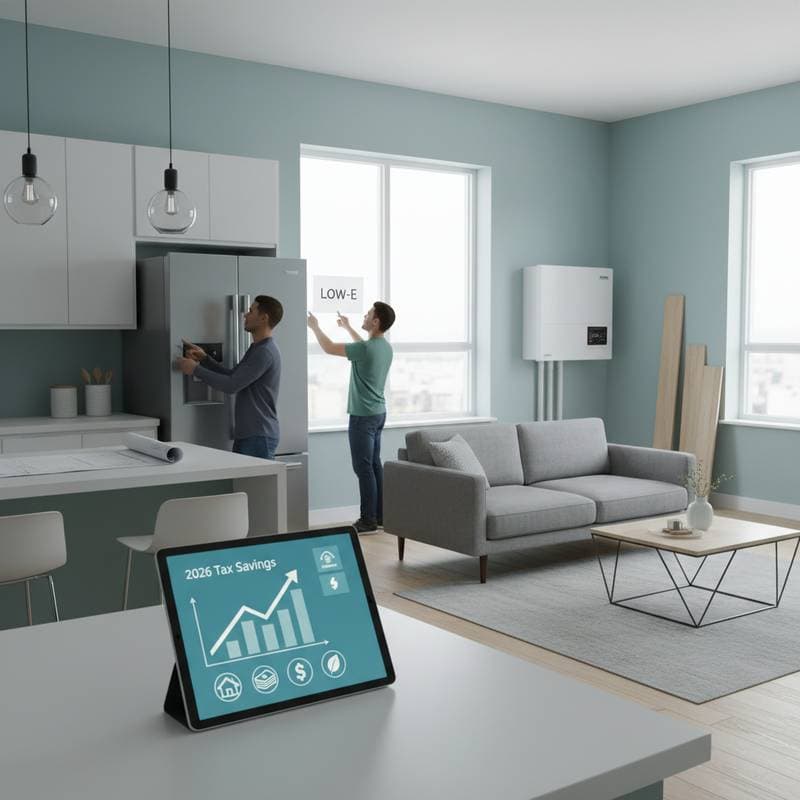
Energy-saving modifications represent the most accessible path to tax savings. Installing high-efficiency windows, doors, and insulation qualifies for credits up to $1,200 annually under the residential clean energy program. These upgrades not only lower utility bills but also contribute to environmental sustainability.
Solar panels and geothermal heat pumps offer substantial rebates, covering 26 percent of costs through 2026. Homeowners should select certified products from the Energy Star database to verify compliance. Professional installation ensures proper setup and maximizes credit amounts.
Consider adding a biomass stove or furnace, which heats with renewable fuels like pellets. Such systems qualify for up to $2,000 in credits, provided they meet efficiency standards set by the EPA. Evaluate your home's heating needs to prioritize the most impactful option.
Medical and Accessibility Modifications
Renovations addressing health conditions provide deductions as medical expenses if they exceed 7.5 percent of adjusted gross income. Installing ramps, widened doorways, or bathroom grab bars qualifies when prescribed by a physician. These changes improve daily living while offering financial relief.
Elevators or stairlifts for mobility-impaired individuals count toward deductions, including installation and maintenance costs. Document the medical necessity through doctor's notes to substantiate claims. Such improvements enhance safety and independence for aging in place.
Air purification systems or allergy-reducing modifications may qualify if linked to diagnosed conditions. Track all related expenses, from materials to labor, to build a comprehensive record. This category rewards practical adaptations that support well-being.
Proper Documentation and Filing Strategies
Maintain detailed records to support your tax claims. Keep receipts, invoices, and manufacturer certifications for every expense, organizing them by project category. Photographs of before-and-after installations strengthen your case during audits.
File Form 5695 for energy credits, attaching schedules that itemize costs. For medical deductions, use Schedule A on Form 1040, listing improvements alongside other qualified expenses. Submit returns by the April deadline to avoid penalties on potential refunds.
Consult a tax professional to navigate complexities, especially for combined energy and medical projects. They can identify additional state incentives that stack with federal benefits. Accurate filing turns renovation costs into tangible savings.
Maximizing Returns Through Smart Planning
Integrate tax benefits into your renovation budget from the start. Prioritize projects with the highest credit percentages, such as solar installations, to amplify returns. Combine multiple upgrades within the annual cap to optimize deductions without exceeding limits.
Assess your home's energy audit to pinpoint inefficiencies, guiding targeted investments. This approach not only secures tax relief but also boosts property value over time. Long-term planning ensures renovations deliver both immediate and enduring advantages.
Achieving Lasting Value from Tax-Smart Renovations
Strategic home improvements blend aesthetic appeal with fiscal prudence. By focusing on qualified energy and medical projects, you secure deductions that offset costs effectively. These enhancements create a more efficient, comfortable home while supporting financial goals for 2026 and beyond.