Understanding the Surge in Soundproofing Costs
Tariffs introduced in late 2025 have significantly impacted the construction materials market, leading to a 15 percent increase in soundproofing expenses for home offices. This rise affects everyday homeowners who seek to transform quiet spaces for remote work. The change stems from higher import duties on key materials like acoustic foam, insulation panels, and specialized drywall, which now cost more to source.
Homeowners previously budgeted around $2,600 to $8,300 for such projects. Now, the average range sits at $3,000 to $9,500, depending on room size and complexity. Factors such as location and labor rates further influence the final price, making early planning essential.
Key Materials Affected by Tariffs
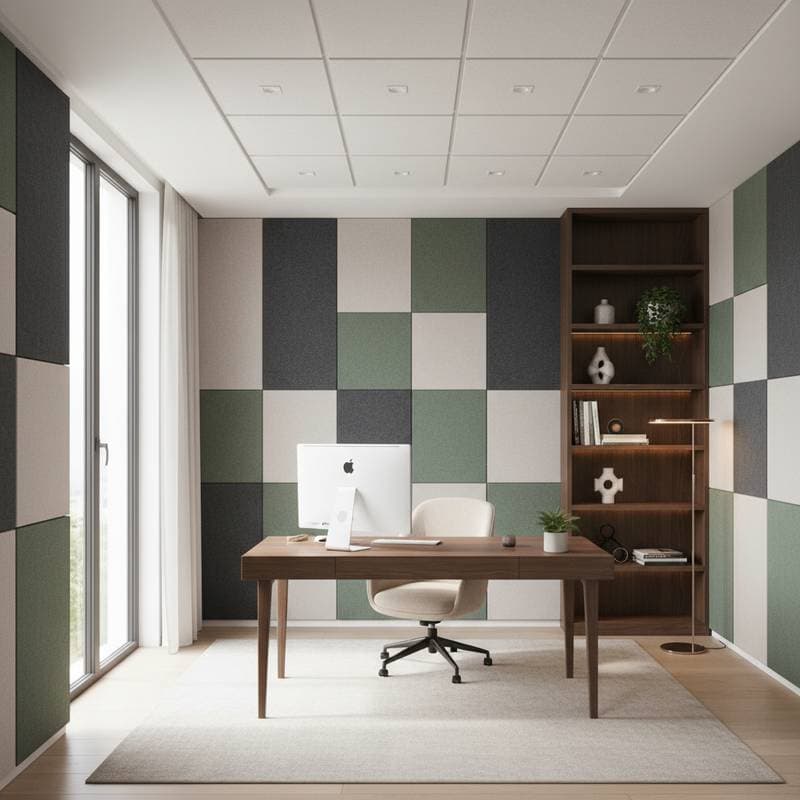
Several essential components for soundproofing have seen direct price hikes due to tariffs on imported goods. Acoustic panels, often made from imported fiberglass or mineral wool, now carry an additional 10 to 20 percent markup. These panels absorb sound waves effectively, reducing noise from outside sources.
Mass-loaded vinyl, a dense barrier material used in walls and floors, faces similar increases because much of it originates from overseas manufacturers. This vinyl sheet blocks vibrations and airborne sounds, proving vital for offices near busy streets or family areas. Drywall alternatives, like sound-rated gypsum boards, also contribute to the elevated costs, as production relies on tariffed raw materials.
Insulation types such as spray foam and rigid foam boards round out the list. While domestic options exist, their prices have risen indirectly through supply chain disruptions. Homeowners must weigh these costs against long-term benefits when selecting materials.
Breaking Down Project Costs
A typical soundproofing project divides into several categories, each contributing to the overall expense. Labor accounts for 40 to 50 percent of the total, with skilled installers charging $50 to $100 per hour. For a 150-square-foot office, this translates to $1,200 to $3,000 in workmanship alone.
Materials comprise another 30 to 40 percent, now amplified by the 15 percent tariff effect. Basic setups require $900 to $3,800 worth of supplies, including panels, seals, and adhesives. For advanced features like decoupled ceilings, add $500 to $1,500 more.
Hidden expenses often catch homeowners off guard. Permits, if required in urban areas, add $200 to $500. Electrical updates to accommodate new outlets or lighting can push costs up by $300 to $800. Disposal of old materials and minor structural repairs further inflate the budget by 10 to 15 percent.
Strategies to Mitigate Rising Costs
Homeowners can implement several approaches to counteract the tariff-induced price jump. Start by comparing quotes from multiple contractors, focusing on those who source local materials to avoid import fees. Timing the project for off-peak seasons, such as winter, often secures lower labor rates.
Opt for cost-effective alternatives without sacrificing quality. For instance, use recycled denim insulation instead of pricier imported options; it performs comparably at 20 to 30 percent less cost. Layering everyday items like heavy curtains or rugs provides partial soundproofing for budgets under $1,000.
- Assess your space: Measure the room and identify noise sources to prioritize treatments.
- Research DIY elements: Install seals around doors and windows yourself to save on labor.
- Bundle with renovations: Combine soundproofing with painting or flooring updates for efficiency.
- Explore rebates: Check for energy-efficiency incentives that apply to insulating materials.
- Negotiate bulk purchases: Buy materials in larger quantities if planning multiple rooms.
These steps can reduce overall expenses by 20 to 25 percent, keeping projects within reach.
Installation Considerations for Optimal Results
Proper installation ensures soundproofing delivers maximum effectiveness. Begin with walls, where adding a second layer of drywall over resilient channels decouples surfaces and minimizes vibrations. Seal all gaps with acoustic caulk to prevent sound leaks.
Ceilings benefit from suspended designs using isolation clips, which cost $10 to $15 each but prevent noise transmission from upper floors. Floors require underlayment mats beneath carpets, adding $2 to $5 per square foot. Doors and windows demand weatherstripping and double-pane upgrades for complete coverage.
Professional assessment proves worthwhile, as improper setup can reduce efficacy by half. Consult experts to map out a plan tailored to your home's layout and noise profile.
Long-Term Benefits of Soundproofing
Investing in soundproofing extends beyond immediate quiet. Enhanced focus during work hours boosts productivity, potentially increasing earnings over time. Energy efficiency improves as insulated walls retain heat, lowering utility bills by 10 to 15 percent annually.
Property value rises with quality upgrades; well-soundproofed offices appeal to remote workers, adding 2 to 5 percent to resale prices. Health advantages include reduced stress from noise pollution, fostering a calmer living environment. These returns make the upfront costs a strategic choice for modern homes.