Bathroom Remodel ROI: Upgrades That Add Real Value
Homeowners invest in bathroom remodels to improve daily comfort and increase property value. The key to strong return on investment lies in selecting upgrades that enhance efficiency, durability, and appeal. By focusing on plumbing, lighting, ventilation, and heating systems as an integrated whole, renovations can reduce utility bills and attract serious buyers.
A well-executed remodel addresses both functional needs and aesthetic preferences. Efficient fixtures cut water and energy use, while quality materials withstand daily wear. These choices not only lower ongoing costs but also signal to appraisers and potential purchasers that the home receives thoughtful care.
Understanding the Bathroom System
Bathrooms function as interconnected systems where plumbing, electrical, and ventilation elements must align for optimal performance. Upgrades in one area often amplify benefits in others, such as pairing low-flow fixtures with proper venting to prevent moisture issues. This holistic approach ensures the space remains comfortable, safe, and cost-effective over decades.
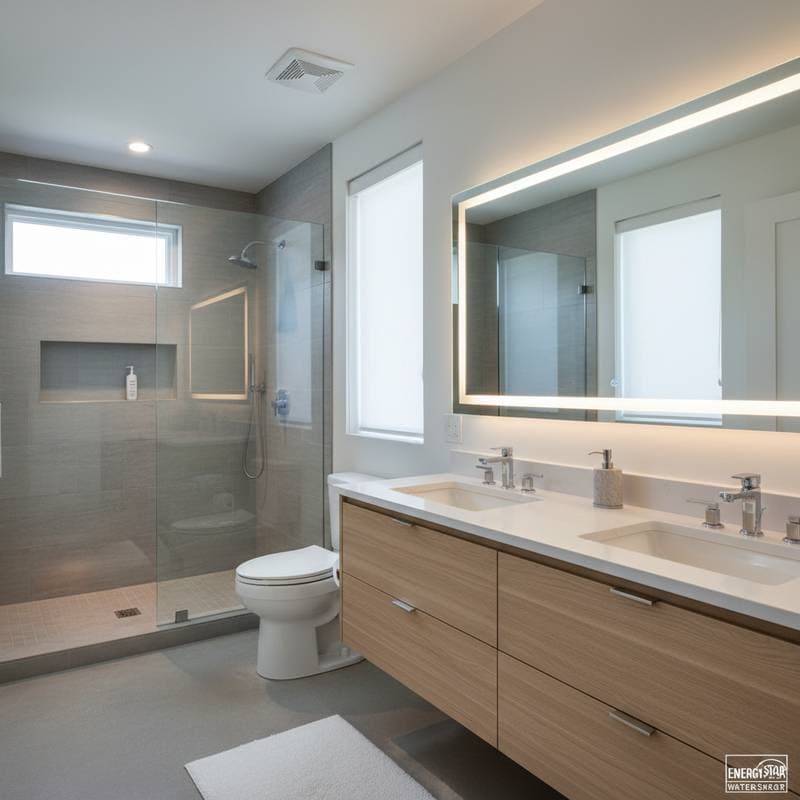
Key specifications guide effective upgrades. WaterSense-certified fixtures limit flow to 1.5 to 2.5 gallons per minute, suitable for all U.S. Department of Energy climate zones. ENERGY STAR lighting and fans extend lifespan to 15 to 25 years with routine care. Installation ranges from moderate for fixture swaps to complex for structural changes, requiring professional oversight.
Essential Components for High ROI
Target upgrades that balance upfront costs with long-term savings and market appeal. Prioritize components proven to recoup expenses through reduced utilities and higher resale prices.
1. Plumbing Fixtures for Water Savings
Efficient plumbing forms the foundation of a high-ROI bathroom. Dual-flush toilets use 0.8 gallons for liquid waste and 1.28 gallons for solids, slashing water bills by up to 20 percent annually. WaterSense faucets and showerheads cap flow at 2.0 gallons per minute, delivering ample pressure without waste.
In a typical household, a WaterSense showerhead conserves more than 2,500 gallons yearly. Pair these with pressure-balancing valves to maintain steady temperature and prevent scalding. Upgrading to PEX piping further minimizes leaks and supports future expansions, often increasing home appraisals by 1 to 2 percent.
Fixture Efficiency Comparison:
| Fixture Type | Flow Rate (GPM or GPF) | Annual Water Use | Efficiency Rating | Maintenance Needs |
|---|---|---|---|---|
| Standard Showerhead | 2.5 GPM | High | None | Moderate |
| WaterSense Showerhead | 1.8 GPM | Low | WaterSense | Low |
| Conventional Toilet | 3.5 GPF | High | None | Moderate |
| Dual-Flush Toilet | 0.8/1.28 GPF | Very Low | WaterSense | Low |
2. Ventilation Systems for Moisture Control
Proper ventilation prevents mold and maintains air quality, directly impacting long-term costs. Exhaust fans rated at 50 to 110 cubic feet per minute, depending on room size, remove humidity effectively. ENERGY STAR models use 70 percent less energy than standard units and operate quietly.
Install fans with humidity sensors to activate automatically after showers, running intermittently to clear steam. In humid climates, pair with dehumidifiers for added protection. These systems extend the life of tiles and fixtures, avoiding expensive repairs and appealing to health-conscious buyers.
3. Lighting for Energy Efficiency and Ambiance
Strategic lighting enhances usability while cutting electricity costs. LED fixtures with a color rendering index over 90 reproduce true colors for tasks like applying makeup. Dimmable options and wall sconces provide adjustable layers of light, from bright task illumination to soft evening glow.
Sealed, insulation-contact-rated LED recessed lights preserve attic insulation integrity. ENERGY STAR LEDs achieve 90 lumens per watt, lasting 25,000 hours and using 75 percent less power than incandescents. Add motion sensors near vanities to eliminate forgotten lights, further boosting savings.
Lighting Efficiency Metrics:
| Fixture Type | Lumens per Watt | CRI | Lifespan (Hours) | Energy Consumption |
|---|---|---|---|---|
| Incandescent | 15 | 100 | 1,000 | High |
| CFL | 60 | 80 | 10,000 | Moderate |
| ENERGY STAR LED | 90+ | 90+ | 25,000 | Low |
4. Durable Materials for Lasting Appeal
Select materials that resist wear and simplify cleaning to preserve value. Porcelain tiles and quartz countertops withstand moisture and stains, requiring minimal upkeep. Avoid porous natural stone unless sealed professionally, as it demands frequent maintenance.
Incorporate waterproof membranes behind shower walls to block leaks. These choices not only endure 20 to 30 years but also elevate the bathroom's perceived quality, influencing buyer offers. Low-maintenance surfaces like vinyl plank flooring in dry areas add practicality without sacrificing style.
5. Heating Systems for Added Comfort
Radiant floor heating transforms chilly mornings into warm experiences, justifying its cost through buyer enthusiasm. Electric mats or hydronic systems distribute heat evenly under tiles, operating at lower temperatures than forced-air alternatives for better efficiency.
Programmable thermostats heat only occupied spaces, saving up to 30 percent on energy in cold months. In showings, this feature highlights modern convenience, often recouping installation expenses within five years via higher sale prices. Ensure compatibility with existing flooring to avoid disruptions.
Seamless Integration with Home Infrastructure
Successful remodels adapt to the home's existing setup, maximizing efficiency and minimizing surprises. Assess supply line sizes before installing low-flow fixtures to ensure adequate pressure. Verify drainage slopes and structural support for new tubs or showers to prevent backups.
Incorporate smart technology where feasible. Digital controls for showers and automated lighting connect to home systems, offering remote access and usage tracking. These additions appeal to tech-savvy buyers and can increase market value by 3 to 5 percent.
Electrical enhancements prioritize safety. Install ground-fault circuit interrupter outlets near sinks and showers. Dedicate circuits for fans, lights, and heating to handle loads without overloads, meeting national electrical codes.
Professional Installation and Code Adherence
Compliance with building codes safeguards investments and avoids liabilities. Local regulations mandate specific fan venting, GFCI placements, and fixture efficiencies. Tile work in wet zones follows American National Standards Institute guidelines, including backer board and membranes.
Engage licensed contractors for precise execution. They perform pressure tests on plumbing, airflow measurements for vents, and load calculations for electrics. Such diligence prevents issues like condensation buildup or electrical faults, ensuring the remodel passes inspections smoothly.
Sustaining Value Through Maintenance
Regular upkeep preserves the remodel's benefits and ROI. Inspect caulk and grout yearly, reapplying as needed to block water intrusion. Clean fan filters quarterly to sustain ventilation performance and replace bulbs or drivers promptly to avoid dimming.
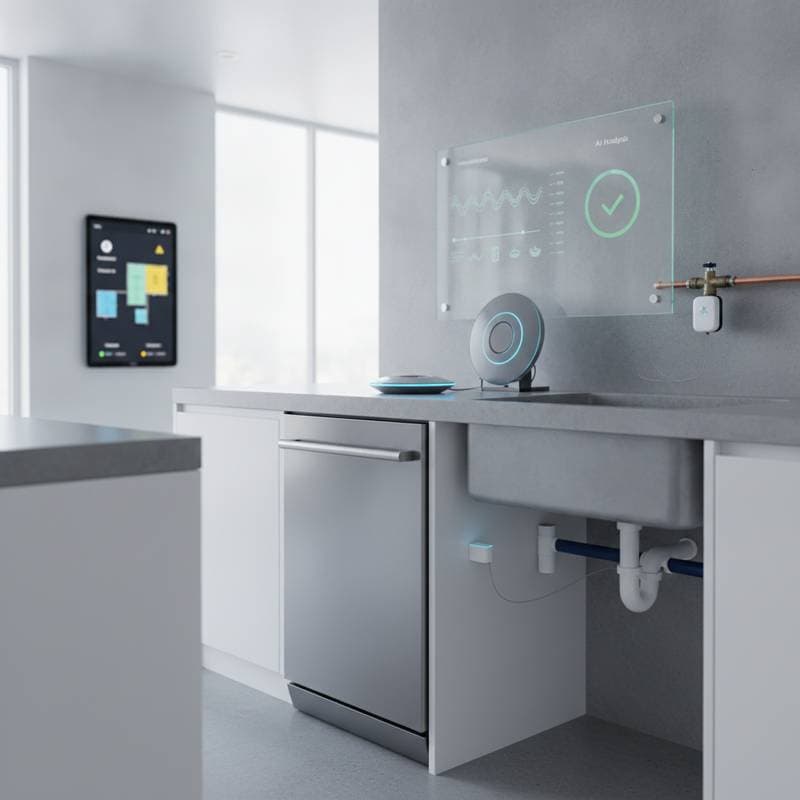
Monitor for leaks under fixtures using simple moisture detectors. These habits extend component life, keeping the bathroom functional and attractive. Prospective buyers notice well-maintained spaces, often paying premiums for homes that demonstrate reliability.
Steps to Achieve Your High-ROI Remodel
Begin with a site assessment by qualified experts to identify priorities. Select certified fixtures and materials matched to your home's needs and local climate. Budget for professional labor to guarantee quality and compliance.
Track progress with detailed plans, focusing on integration points like wiring and piping. After completion, document warranties and maintenance schedules for future reference. This methodical process turns a standard bathroom into a value-adding asset.
Actionable Recommendations:
- Choose WaterSense plumbing and ENERGY STAR appliances for immediate savings.
- Size ventilation to bathroom square footage, aiming for 8 air changes per hour.
- Opt for resilient surfaces like porcelain tiles and solid-surface counters.
- Add programmable features to lighting and heating for user-friendly control.
- Verify all installations align with International Residential Code standards.