Boost Home Value: Battery Backup ROI for 2026 Outages
Power outages disrupt daily life in subtle yet profound ways. The refrigerator falls silent, and a sense of unease settles in as essential functions pause. Homeowners face these events more often now, prompting a shift toward whole-home battery backup systems. These installations deliver not only immediate protection but also enduring property enhancement.
A battery backup investment proves worthwhile for most households. It safeguards against outages, trims utility expenses, and elevates market desirability. Forward-thinking owners recognize this as a strategic upgrade for both current use and future sales.
The Hidden Costs of Power Interruptions
Imagine a summer evening with dinner simmering on the stove. Lights dim, then vanish completely. Without a reliable backup, food in the refrigerator warms and spoils within hours. Heating or cooling systems shut down, leaving rooms uncomfortable. Devices such as laptops and medical equipment lose power, amplifying inconvenience.
The emotional toll adds another layer. Families feel exposed when basic needs falter. Traditional generators address some issues but introduce their own drawbacks. They generate noise that disturbs neighbors and require regular fuel refills. Maintenance demands time, and emissions contribute to air quality concerns. Many discover that these systems create ongoing hassles rather than true solutions.
Key Features: How Battery Systems Build Value
Battery backups stand out through targeted design elements that align with modern homeowner priorities. Each aspect contributes to efficiency, safety, and appeal.
1. Energy Efficiency and Cost Reduction
These systems capture excess energy during off-peak hours when utility rates dip. They deploy stored power during peak times, smoothing out consumption patterns. Monthly bills drop as a result, often by 20 to 30 percent depending on usage and local rates. This financial relief accelerates payback on the initial outlay. Prospective buyers value such optimizations, seeing them as indicators of a forward-looking property.
2. Seamless Solar Integration
Combining batteries with solar panels forms a resilient energy ecosystem. Solar arrays generate power by day, directing surplus to the battery for later use. In grid-down scenarios, the battery sustains critical loads like lighting and appliances. This setup minimizes reliance on utility providers and qualifies for incentives in many regions. It positions the home as a model of self-sufficiency.
3. Silent and Effortless Operation
Batteries function without the roar of engines or the need for fuel storage. They demand little upkeep, typically just annual inspections. No fumes mean safer indoor air, eliminating carbon monoxide risks. Households with infants or elderly members benefit most from this unobtrusive reliability. The absence of mechanical parts reduces failure points over time.
4. Enhanced Marketability
In competitive real estate landscapes, energy features differentiate listings. Agents report that battery-equipped homes command premiums of five to ten percent. Buyers perceive them as upgraded and outage-proof. Similar to how smart thermostats became expected amenities, batteries signal proactive ownership. Professional installation ensures compliance with codes, further boosting buyer confidence.
5. Commitment to Sustainability
Battery systems lessen dependence on coal or gas-dominated grids. When linked to renewables, they lower household carbon footprints significantly. Environmentally aware purchasers prioritize such integrations, often willing to pay more for green credentials. This alignment with broader climate goals enhances the home's long-term desirability.
Calculating Returns: Tangible and Intangible Gains
Financial benefits from battery backups emerge across multiple channels. First, optimized energy use yields direct savings on bills. Second, owners avoid generator-related costs like fuel purchases and servicing fees. Third, the installation adds resale value, with studies showing quick recovery of upfront expenses.
Intangible rewards prove equally compelling. During severe weather, the system maintains normalcy, preserving routines and reducing stress. Homeowners report greater security knowing essentials remain operational. This reliability fosters a deeper connection to the property, elevating everyday living.
Integrating a Battery System into Daily Life
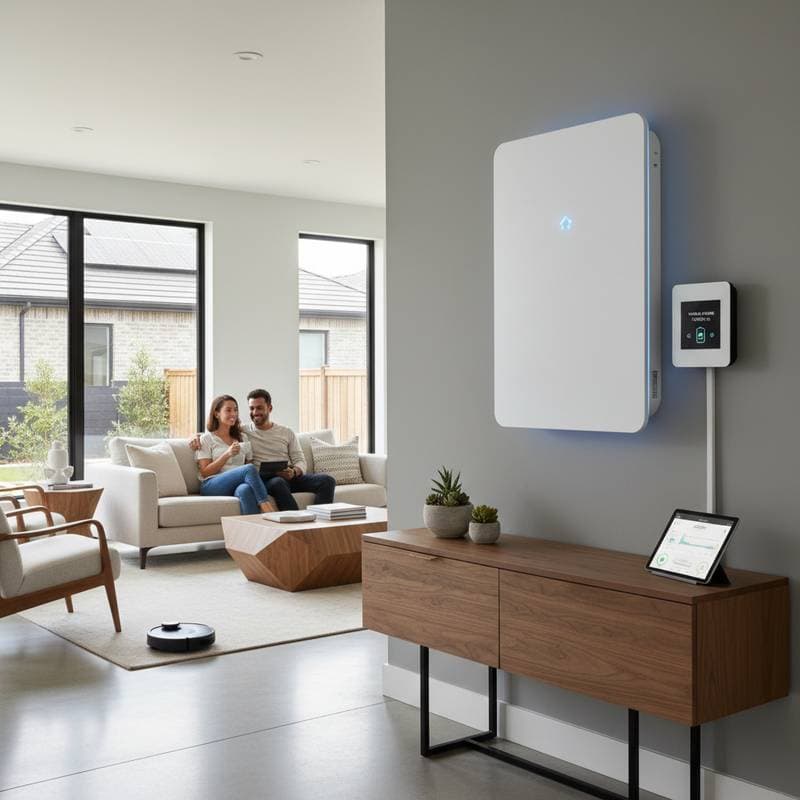
After installation, the system integrates smoothly into routines. Mobile apps provide real-time monitoring of charge levels and usage. Owners learn to time high-energy tasks for low-rate periods, maximizing efficiency. Over time, the technology recedes into the background, activating only when needed.
For growing families, it serves as a dependable safeguard. In sales discussions, it highlights the home's preparedness. Even without immediate installation, upgrading electrical panels during renovations prepares for future additions. This foresight avoids costly retrofits later.
Sustaining System Performance
Regular maintenance ensures longevity and peak efficiency. Arrange professional inspections every 12 months to check connections and battery health. Update firmware promptly to access performance improvements and security patches. Maintain clear airflow around the unit to prevent overheating.
Document all service records and warranty information meticulously. This transparency reassures potential buyers and supports stronger sale terms. Simple practices like these extend the system's 10- to 15-year lifespan.
Securing Long-Term Home Resilience
Battery backups transform properties into robust, future-ready spaces. They deliver cost savings, environmental benefits, and unmatched reliability. Homeowners who adopt them gain a competitive edge in value and livability. Consider this upgrade to fortify your home against tomorrow's challenges.