Flood-Resistant Floors: Unlocking Insurance Discounts for Homeowners
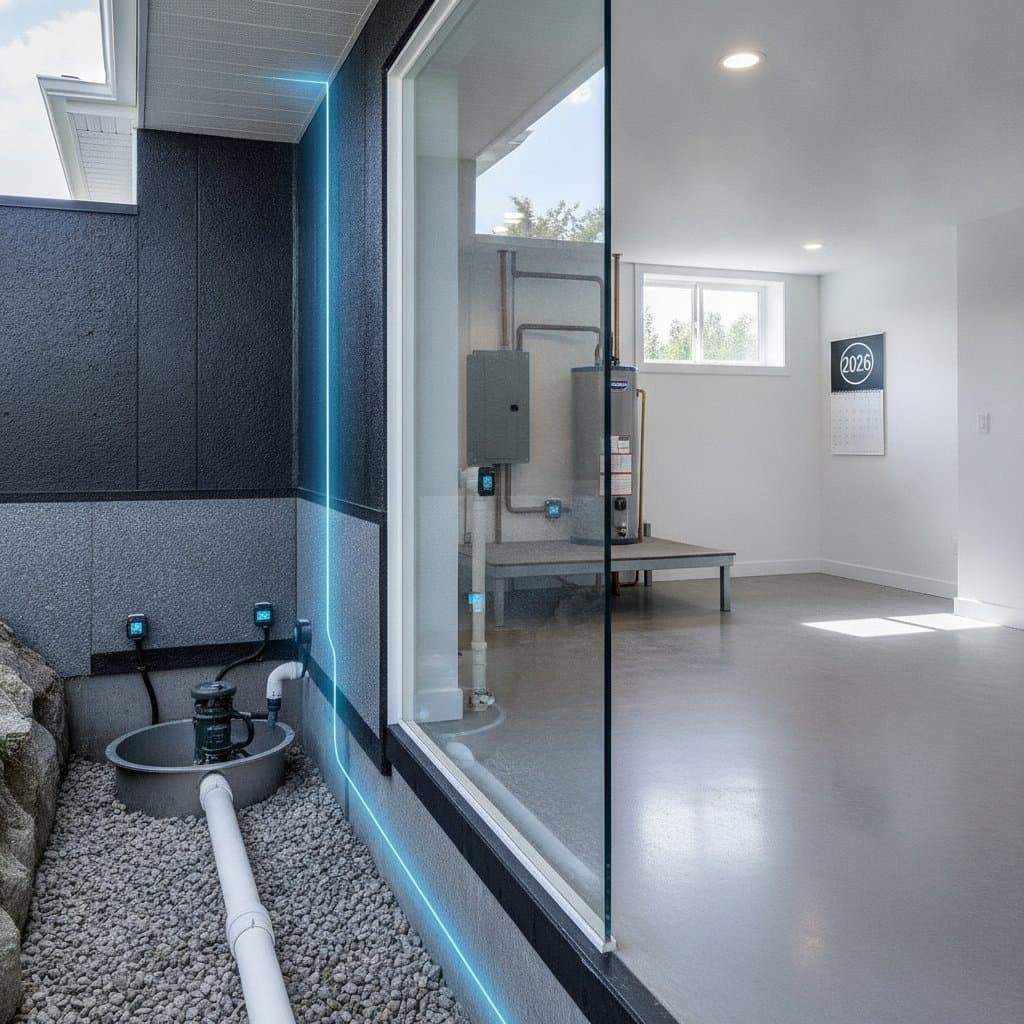
Homeowners in flood-prone areas face rising insurance costs and the constant threat of water damage. Recent policy changes offer a promising solution: installing certified flood-resistant flooring can qualify properties for significant insurance discounts starting in 2026. This approach not only enhances home protection but also maintains aesthetic appeal without compromising on style.
What Makes Flooring Flood-Resistant?
Flood-resistant flooring withstands prolonged exposure to water without warping, buckling, or fostering mold growth. Materials undergo rigorous testing to ensure they resist moisture penetration and maintain structural integrity during submersion. Certification from bodies like the Insurance Institute for Business & Home Safety (IBHS) verifies these properties, providing insurers with reliable data on risk reduction.
Key characteristics include non-porous surfaces and elevated durability ratings. Unlike traditional hardwood or carpet, which absorb water and degrade quickly, resistant options repel liquids and dry efficiently. This resilience translates to fewer claims and lower premiums over time.
Certified Materials That Qualify for Discounts
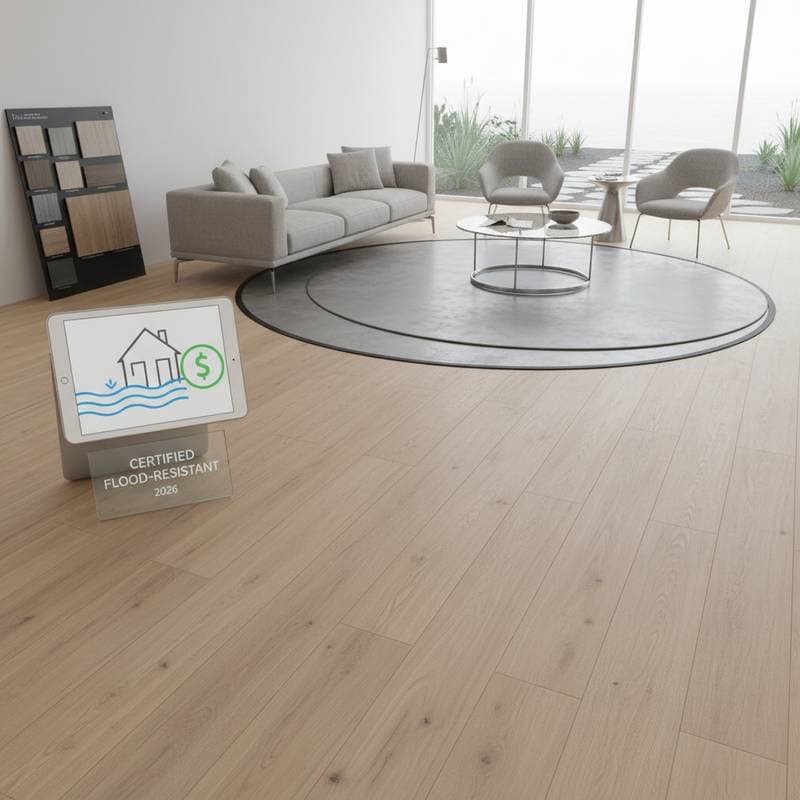
Several flooring types meet certification standards and appeal to diverse design preferences. Luxury vinyl plank (LVP) mimics wood or stone while offering waterproof cores that prevent delamination. Porcelain or ceramic tiles provide timeless elegance with sealed grout lines that block water ingress.
Polished concrete floors deliver an industrial-chic look and excel in high-moisture environments due to their impermeable nature. Engineered options like rigid core vinyl also qualify, combining the flexibility of laminate with superior water resistance. Homeowners should verify certifications through manufacturer documentation to ensure eligibility.
- Select materials with IBHS FORTIFIED Home designation.
- Confirm water submersion ratings exceed 72 hours.
- Choose products with antimicrobial treatments to inhibit mold.
The Path to Insurance Discounts
Insurers increasingly reward proactive risk mitigation, with discounts tied to verified installations. By 2026, many providers plan to offer up to 15 percent reductions for homes featuring certified flood-resistant floors in ground-level areas. This incentive stems from data showing a 30 percent drop in water damage claims for upgraded properties.
The process begins with a home assessment by a certified inspector, who evaluates flooring compliance. Submit documentation to your insurer, including installation receipts and certification labels. Approval typically follows within 30 days, reflecting the updated premium at renewal.
Factors influencing discount amounts include location risk and overall home fortifications. Coastal or riverine zones may see higher savings, up to 20 percent in severe cases. Consult your policy details to maximize benefits.
Steps to Install Flood-Resistant Flooring
Start by consulting a professional contractor experienced in resilient installations. They will assess subfloor conditions and recommend suitable materials based on your home's layout. Proper underlayment, such as waterproof membranes, enhances performance and longevity.
During installation, ensure seamless seams and elevated transitions to prevent water pooling. Post-installation, apply sealants to edges and fixtures for added protection. Budget for this upgrade ranges from $5 to $12 per square foot, depending on material and labor.
Maintenance remains straightforward: sweep regularly and clean spills promptly with mild solutions. Avoid abrasive cleaners that could compromise seals. Annual inspections help catch minor issues early, preserving certification status.
Benefits Beyond Insurance Savings
Investing in flood-resistant floors fortifies your home against inevitable weather events while elevating daily living. These materials support open-concept designs without the worry of water stains or replacement costs. Families gain peace of mind, knowing their space remains safe and inviting year-round.
Long-term value appreciates as resale markets favor resilient features. Properties with these upgrades command higher prices in flood-vulnerable regions. Embrace this trend to blend protection with personalization for enduring home satisfaction.