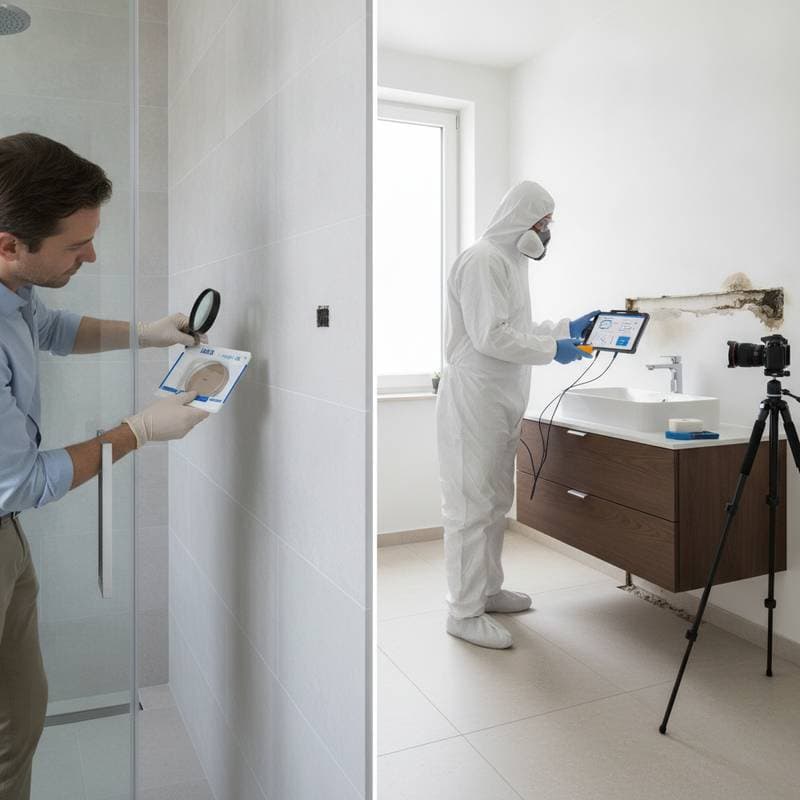
2026 Moisture Mapping: Revolutionizing Mold Prevention
Homeownership involves managing both joys and duties. Moisture control ranks among the essential yet often neglected responsibilities. Concealed water infiltration erodes walls, floors, and ceilings, fostering mold that compromises structural integrity and resident health. Emerging technologies, including moisture mapping and smart sensors, empower homeowners to identify and mitigate these risks before significant harm occurs.
Understanding Moisture Mapping
Moisture mapping provides a visual representation of water accumulation within a home. In the past, detection relied on evident signs of damage. Current tools employ sensors to reveal damp spots well in advance of surface manifestations.
Consider moisture mapping as a diagnostic tool for residential structures. Sensors gather data from strategic locations, highlighting elevated humidity zones. This information facilitates prompt intervention for leaks, inadequate ventilation, or drainage flaws, thwarting mold development.
Advanced moisture mapping systems incorporate smart sensors linked to mobile applications or centralized home platforms. These devices track humidity and temperature continuously, issuing notifications for deviations. Such integration shifts maintenance from response-based to anticipatory practices.
The Importance of Preventing Mold
Mold extends beyond aesthetic concerns. It triggers respiratory issues, deteriorates drywall and insulation, and undermines load-bearing elements. Remediation efforts prove costly and disruptive once proliferation occurs. Effective prevention hinges on moisture regulation.
Mold spores permeate most surroundings, activating only in moist, temperate conditions. Maintaining equilibrium in humidity and swiftly resolving leaks curtails growth. Moisture mapping delivers the precision required to intervene at inception.
Key Tasks for Moisture Management
Homeowners benefit from routine actions to sustain a dry interior. These practices establish a robust barrier against undetected water intrusion:
- Examine plumbing fixtures weekly for leaks under sinks, around toilets, and by washing machines.
- Maintain ventilation in high-moisture zones like bathrooms, kitchens, and laundry rooms by cleaning exhaust fans quarterly.
- Apply caulk to seal gaps around windows and doors, particularly before humid seasons.
- Inspect basements and crawl spaces monthly, deploying dehumidifiers if relative humidity exceeds 50 percent.
- Clear gutters and downspouts biannually to divert rainwater from foundations.
Pairing these routines with moisture mapping enhances overall vigilance.
Indicators of Emerging Moisture Issues
Structures signal moisture presence through understated cues prior to mold visibility. Remain alert to:
- Persistent musty smells unresponsive to cleaning.
- Bubbling or flaking paint and wallpaper.
- Buckling wood floors or swollen baseboards.
- Window condensation during moderate temperatures.
- Sudden increases in household allergy reactions.
Upon observing these signs, deploy a moisture meter or mapping system to locate the origin.
Options for Moisture Mapping: DIY and Expert Approaches
Affordable handheld moisture meters allow initial self-assessment. These instruments quantify water levels in substrates such as wood and drywall. For comprehensive coverage, install smart sensors across rooms to log data via apps, revealing long-term patterns.
Professional services offer superior detection capabilities. Specialists utilize thermal cameras and calibrated tools to uncover moisture concealed behind surfaces or beneath flooring. Engage experts for suspected concealed leaks or repeated mold incidents to avoid exploratory demolition.
Economical Strategies for Moisture Control
Effective prevention demands no extensive renovations. Implement these accessible measures:
- Deploy basic smart sensors in vulnerable spots like bathrooms and basements for under $50 per unit.
- Position portable dehumidifiers in enclosed areas to reduce humidity by 20-30 percent.
- Upgrade exhaust fans to models with higher cubic feet per minute ratings for improved air circulation.
- Coat susceptible walls with waterproof sealants designed for high-moisture environments.
- Install weatherstripping kits around entry points to block external dampness.
Annual professional assessments, typically costing $200-500, provide reassurance at a fraction of repair expenses.
Situations Requiring Professional Intervention
Certain conditions necessitate expert assistance. Elevated moisture persists despite personal remedies, or plumbing and roofing defects loom as possibilities. Professionals manage mold removal with containment protocols to limit spore dispersal.
Ongoing basement seepage or foundational cracks often signal broader drainage problems. Early specialist involvement averts escalating structural compromise and inflated costs.
The Role of Smart Sensors in Moisture Oversight
Smart sensors drive advancements in moisture mapping. Compact units measure humidity, temperature, and substrate wetness, often integrating Wi-Fi for remote access. Alerts activate when thresholds surpass safe parameters, such as 60 percent relative humidity.
Many models analyze trends, establishing baselines for your home and flagging anomalies. A humidity surge near appliances might indicate a minor leak, enabling swift correction. This insight illuminates how routines influence moisture dynamics.
For instance, forgoing kitchen exhaust during meals or delaying post-shower ventilation elevates levels. Recognizing these correlations encourages behavioral adjustments for sustained aridity.
Sustaining Long-Term Moisture Habits
Technology complements, yet does not replace, diligent upkeep. Calibrate sensors periodically for reliability and log readings in a dedicated app or notebook. This tracking discerns routine variations from irregularities.
Incorporate moisture data into comprehensive maintenance schedules, aligning with HVAC servicing and seasonal checks. Such synergy optimizes home performance and resilience.
For those favoring traditional methods, prioritize ventilation, sealing, and dehumidification. Moisture mapping augments these foundations with data-driven precision.
Steps to Enhance Moisture Confidence
Mastering moisture control progresses incrementally. Initiate with sensors in priority zones to familiarize yourself with typical readings, around 30-50 percent humidity in most rooms. Gradually extend monitoring as proficiency grows.
Implementing Effective Monitoring
Follow this sequence to advance:
- Position sensors in high-risk areas like kitchens and attics.
- Analyze data monthly for deviations exceeding 10 percent from norms.
- Resolve minor anomalies immediately to prevent escalation.
- Arrange expert evaluations prior to renovations or amid persistent issues.
- Pursue educational resources on air quality management.
These practices render maintenance routine and reassuring. Through moisture mapping and smart sensors, preempt mold risks and cultivate enduring home security.