2025 Prefab Granny Pod Costs: A Comprehensive Backyard Analysis
An aging relative requires both privacy and assistance, or additional room for visitors and potential revenue appeals. A prefab granny pod addresses these needs without the expense and disruption of constructing a complete home extension. These independent backyard units supply comfort, ease of access, and autonomy directly on the property. Grasping the associated expenses, the elements that determine them, and the appropriate timing for expert involvement enables effective planning that aligns with financial limits and familial priorities.
Detailed Cost Breakdown by Size and Customization
Prefab granny pods appear in diverse dimensions and levels of completion. Expenses fluctuate according to square footage, selected materials, and the decision between a fundamental framework or a fully equipped model.
| Pod Type | Size (sq. ft.) | Typical Range | Description |
|---|---|---|---|
| Basic Shell Kit | 250 - 350 | $40,000 - $70,000 | Factory-assembled frame excluding plumbing, electrical systems, or finishes. Ideal for custom builders seeking control over interiors. |
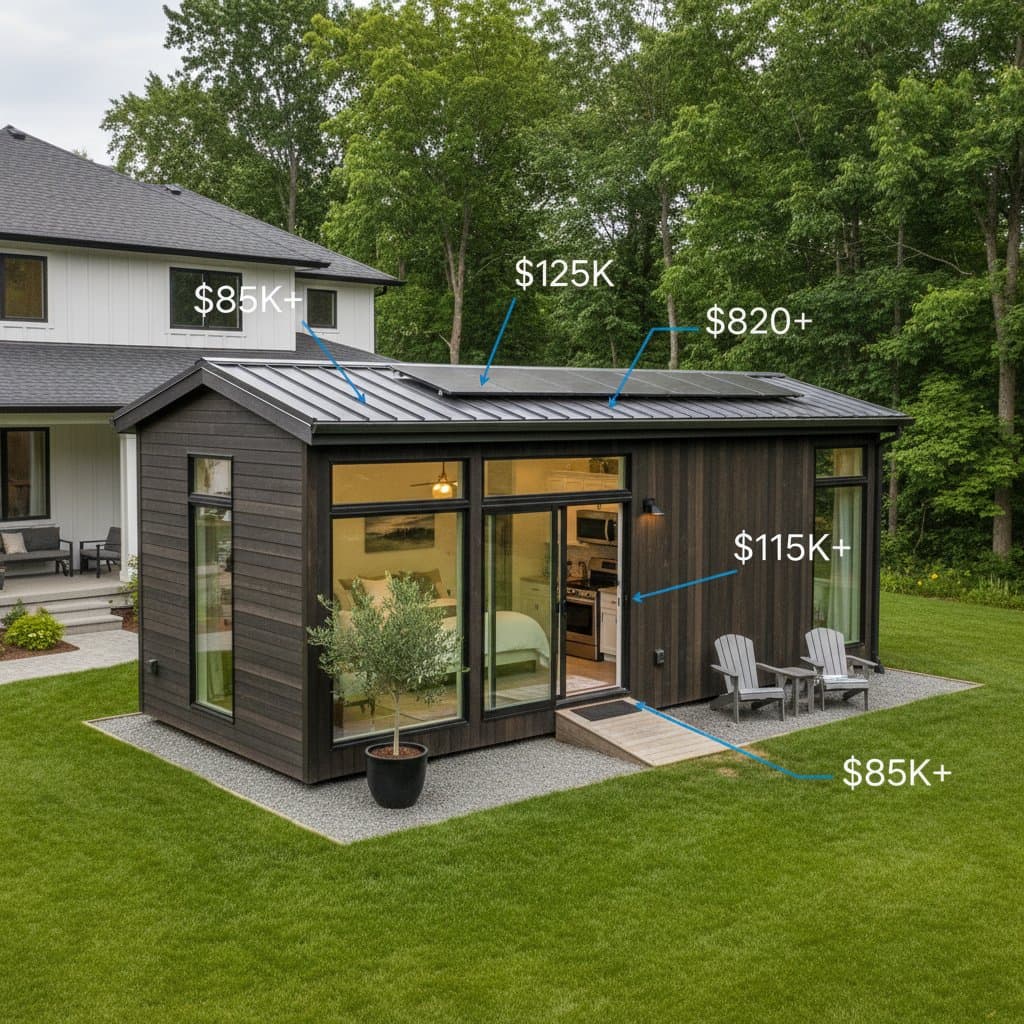
| Mid-Range Turnkey | 350 - 500 | $85,000 - $125,000 | Complete installation featuring a compact kitchen, full bathroom, and heating or cooling systems. Suited for immediate occupancy with standard appliances. |
| Luxury Model | 500 - 800 | $140,000 - $185,000 | Premium selections including advanced accessibility adaptations, superior insulation, and upscale fixtures like quartz countertops and smart home integrations. |
Anticipate elevated prices in locales with rigorous construction regulations or elevated workforce expenses. Coastal zones and metropolitan districts frequently exceed national benchmarks by 15 to 25 percent, whereas countryside settings generally prove more economical. For instance, a mid-range unit in California might approach $150,000 due to seismic reinforcements, compared to $100,000 in the Midwest.
Weighing DIY Options Against Professional Expertise
Certain individuals assume that prefabricated designs equate to simple assembly, yet these structures demand attention to intricate utilities requiring specialist guidance.
Tasks Suitable for DIY Efforts:
- Applying interior paint and laying flooring materials
- Developing exterior landscapes and attaching decks
- Modifying cabinetry or installing shelving units
Elements Requiring Professional Execution:
- Preparing and leveling the foundation
- Integrating electrical wiring and plumbing lines
- Setting up heating, ventilation, and air conditioning systems, followed by regulatory inspections
Opt for certified contractors when the pod serves as a lasting dwelling, income-generating rental, or links to public utilities. Homeowners may handle assembly independently for pre-equipped, disconnected models intended for short-term placement on stable terrain. To illustrate, connecting to the home's septic system necessitates a licensed plumber to avoid contamination risks and ensure compliance.
Navigating Permits and Regulatory Requirements
Authorities typically categorize granny pods as accessory dwelling units, imposing rules on placement, proximity to boundaries, and maximum dimensions. Numerous jurisdictions cap these units at 800 square feet or mandate shared utility connections with the primary residence. Prospective owners should consult municipal offices early to verify allowable configurations.
Inspections by qualified experts prove essential for electrical and plumbing installations. Errors in self-directed efforts within these domains risk regulatory penalties, complications with insurance coverage, or substantial safety threats. For example, improper grounding in electrical setups could lead to fire hazards, underscoring the value of pre-approval processes that outline exact material standards and installation sequences.
Assessing Long-Term Benefits and Investment Returns
Beyond providing supplementary area, prefab granny pods elevate overall property appeal. Depending on regional real estate dynamics, such additions can augment home worth by 15 to 25 percent. Individuals leasing these spaces for brief or extended periods frequently recoup initial outlays within 7 to 10 years, particularly in high-demand urban markets where monthly rents reach $1,500 or more.
Units designed for energy conservation, incorporating solar arrays or enhanced thermal barriers, yield ongoing reductions in operational costs. A thoughtfully constructed pod operates 20 percent more efficiently for temperature regulation than traditional extensions, potentially conserving several hundred dollars each year on utility bills. Moreover, integrating features like low-flow fixtures and LED lighting further minimizes environmental impact while qualifying for local rebates or tax incentives.
Steps to Launch Your Prefab Project Successfully
Embarking on a backyard unit installation demands structured preparation to avoid unforeseen expenses.
- Confirm local zoning allowances and availability of utility services.
- Establish a comprehensive budget that accounts for groundwork, approvals, and ancillary fees.
- Evaluate multiple manufacturers by reviewing construction durability, customer testimonials, and guarantee provisions.
- Schedule site assessments to identify terrain challenges, such as soil composition or drainage patterns.
- Consult financial advisors on potential incentives, including energy efficiency grants or property tax adjustments.
Prefab granny pods merge practicality, user-friendliness, and economic viability. Through meticulous foresight, individuals craft secure, regulation-compliant environments that enrich real estate assets and sustain loved ones over extended periods. Secure region-specific estimates and validate full adherence to safety protocols prior to finalizing any commitment.