Safety and Building Code Essentials
Before embarking on an in-law suite project, compliance with local building codes ensures safety and avoids costly revisions. These requirements protect occupants and maintain the home's structural integrity. Key elements include the following features.
- Install smoke and carbon monoxide detectors in every sleeping area to provide early warnings.
- Incorporate independent or connected HVAC zones that allow precise control over temperature and air quality.
- Ensure each sleeping space has at least one egress window or exterior door for safe emergency exit.
- Place GFCI-protected outlets in all kitchen and bathroom areas to prevent electrical hazards.
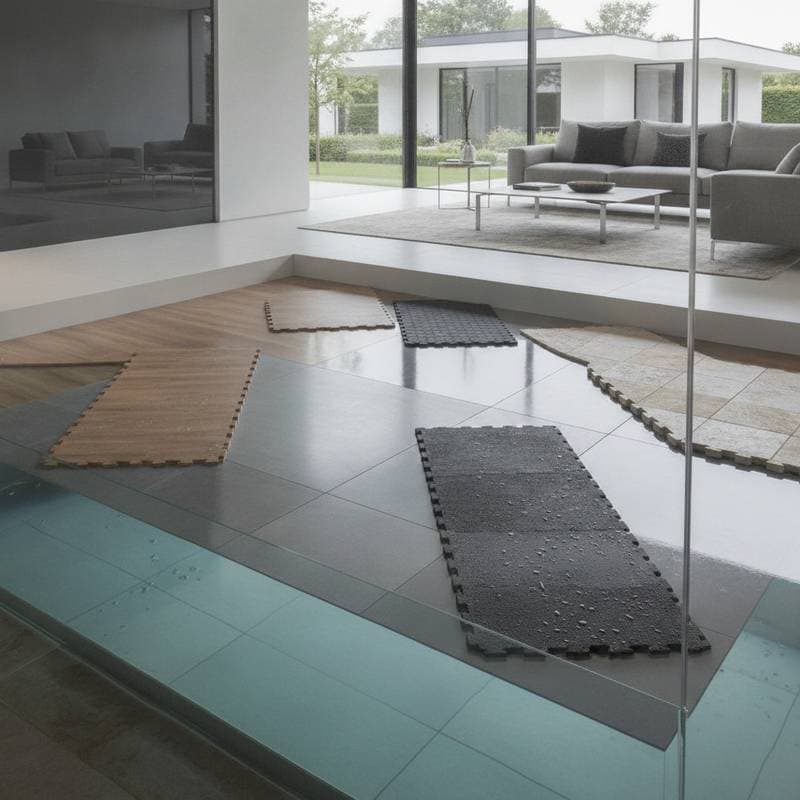
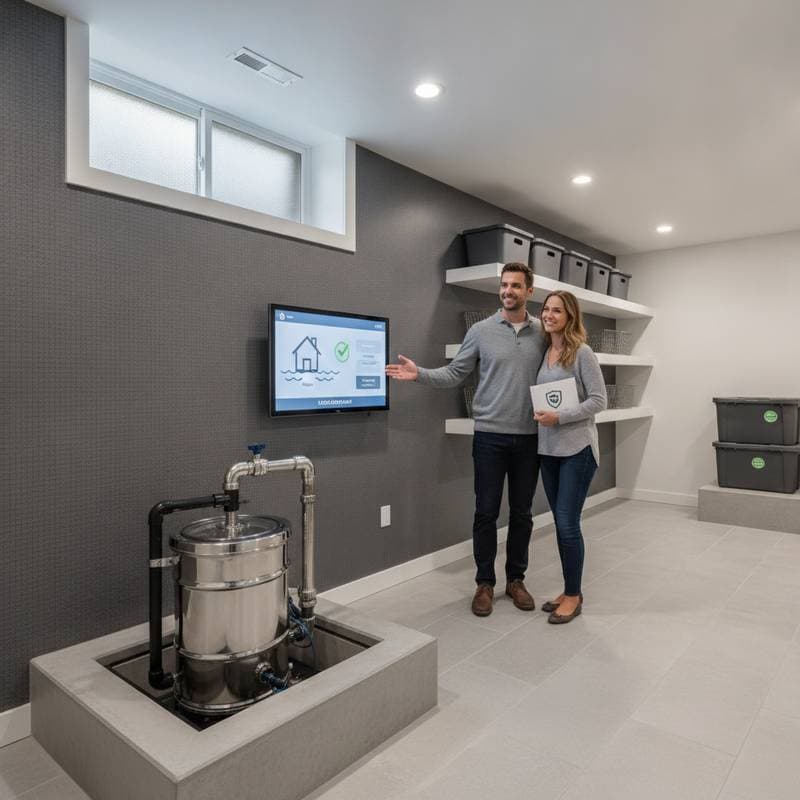
Projects that convert basements demand special attention to moisture control. Professionals recommend installing a vapor barrier along foundation walls and a sump pump system where groundwater is present. Neglecting these measures invites mold growth, which compromises both structural elements and resident health.
Design Choices That Maximize Value
Effective design elevates an in-law suite from a mere addition to a valuable asset. Prioritize elements that enhance daily living while appealing to future buyers or renters. Balance aesthetics with functionality to achieve optimal returns.
Top Design Priorities
- Open Layout: Opt for fluid, uncluttered floor plans that expand perceived space. This approach accommodates mobility aids and promotes ease of movement for all ages.
- Accessible Features: Integrate zero-threshold showers, doorways at least 36 inches wide, and lever-style handles. These adaptations support aging in place without major overhauls.
- Soundproofing: Use insulated walls, ceilings, and floors to minimize noise transfer. Such measures foster privacy between the suite and primary living areas.
- Natural Light: Position windows strategically to flood interiors with daylight. This boosts mood, reduces energy use for lighting, and enhances marketability.
- Separate Entry: Provide a dedicated exterior entrance to promote autonomy. This feature increases rental viability and simplifies guest access.
In one homeowner's experience, investing in advanced sound insulation proved transformative. The materials cost approximately $750, yet they eliminated disturbances from household activities, creating a serene environment.
Consider storage solutions as well. Built-in cabinetry and multi-use furniture maximize efficiency in compact spaces. Select durable, low-maintenance finishes like quartz countertops and vinyl plank flooring that withstand heavy use.
Cost Breakdown and ROI Insights
Understanding expenses helps homeowners budget effectively. Construction costs for a 500-square-foot in-law suite typically range from $40,000 to $100,000, depending on location and materials. Factor in permits, which average $1,000 to $3,000, and utility connections that may add $5,000 or more.
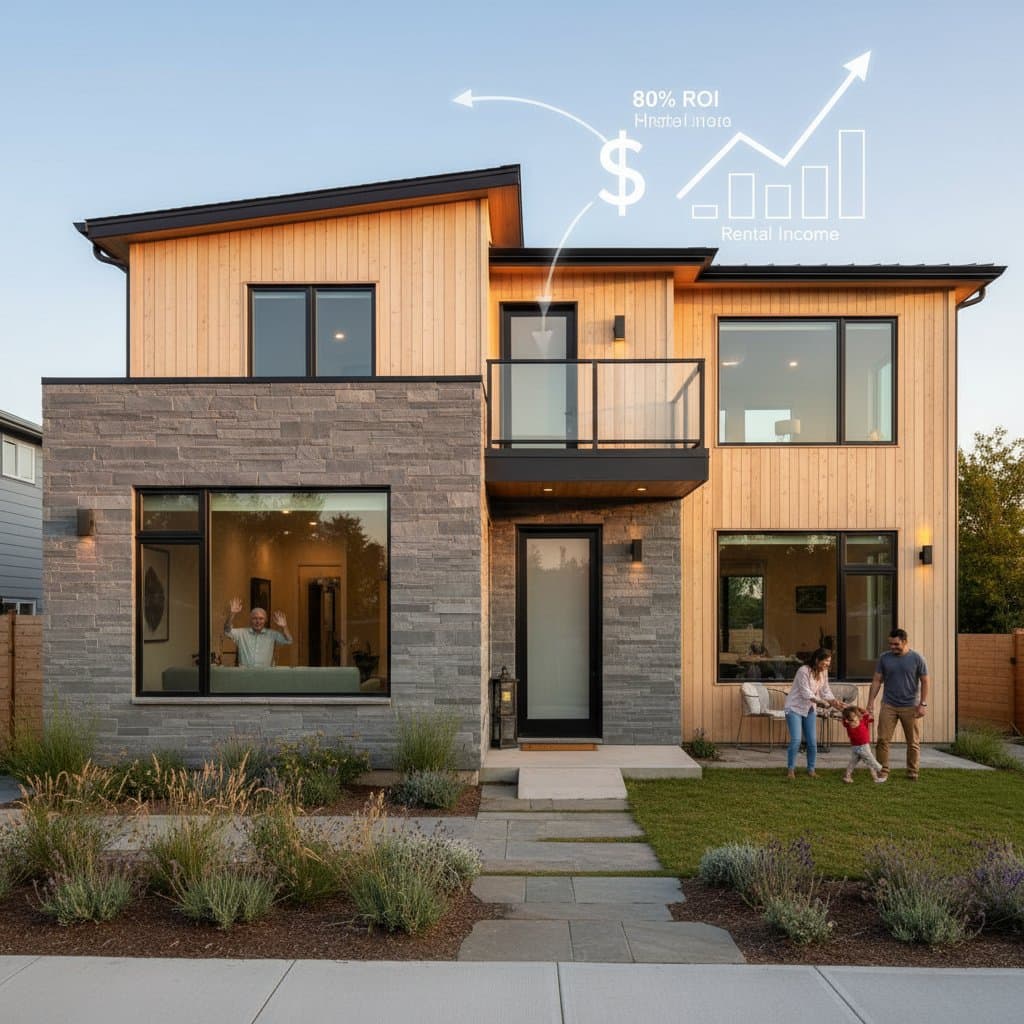
Returns justify the investment. Appraisals often show a 50 to 80 percent recoup on costs at resale, with some markets exceeding that figure. Rental potential generates steady income, often $800 to $1,500 monthly, offsetting mortgage payments or funding retirement.
To optimize ROI, consult local real estate trends. In growing suburbs, multigenerational homes command premiums. Energy-efficient designs, such as LED lighting and high-R-value insulation, qualify for rebates and lower utility bills over time.
Maintaining Your Investment
Regular upkeep preserves the suite's condition and value. Schedule annual inspections for plumbing, electrical systems, and HVAC components to catch issues early. Repaint walls every three to five years to refresh appearance and protect surfaces.
For rented units, allocate 5 to 10 percent of rental income toward maintenance reserves. This covers repairs like appliance replacements or minor fixes. Document all work to support insurance claims and resale documentation.
When family occupies the space, monitor evolving needs. Install grab bars in bathrooms or motion-sensor lighting as required. These proactive steps enhance safety and extend the suite's usability across generations.
A diligently maintained in-law suite endures for decades with few modifications. It serves diverse purposes, from supporting elderly relatives to housing returning adults or offering a private guest area.
Steps to Launch Your Project
Transforming your home begins with thorough planning. Start by assessing zoning laws and homeowner association rules to confirm feasibility. Engage an architect or contractor experienced in accessory dwelling units for precise blueprints.
Secure financing options, such as home equity loans or renovation grants for accessibility features. Obtain multiple bids to control costs without sacrificing quality. During construction, oversee progress to align with your vision.
Building an in-law suite extends beyond bricks and mortar. It creates a resilient living arrangement that adapts to life's changes. Homeowners who invest thoughtfully enjoy enhanced family bonds, financial security, and a property poised for future appreciation.