Granny Flat ROI: Airbnb Rental vs Family Use in 2026
Home renovation projects across the country have become more strategic, and few investments generate as much discussion as the backyard granny flat. As an individual who constructed one behind my own residence, I confirm that the endeavor extends beyond merely expanding living space. The decision centers on how that additional area will serve financial objectives and personal needs. Whether the intention involves listing the unit on Airbnb or allocating it for family accommodation, the return on investment hinges on precise budgeting, defined objectives, and a thorough understanding of prevailing market dynamics.
Project Snapshot
Average Cost: $145,000 - $235,000
Timeline: 5 - 8 months
Lifespan: 40 - 50 years
Best Season: Spring or early fall
DIY Friendly: Partial
Cost Breakdown and Market Context
The overall expense of constructing a granny flat fluctuates based on geographic location, yet a detailed examination reveals the primary allocations of funds.
| Component | Average Cost | Market Notes |
|---|---|---|
| Foundation and framing | $35,000 - $55,000 | Prices have increased owing to elevated cement and lumber expenses |
| Utilities and hookups | $10,000 - $22,000 | Municipal fees and excavation costs continue to rise |
| Interior finishes | $25,000 - $45,000 | Supply chain interruptions impact cabinets and flooring availability |
| Permits and design fees | $3,000 - $8,000 | Variations arise from local zoning regulations and fire safety standards |
| Appliances and furnishings | $5,000 - $15,000 | Energy-efficient appliances incur higher upfront costs yet support elevated rental rates |
Anticipate overall outlays ranging from $145,000 to $235,000, influenced by the unit's dimensions, material selections, and foundation type, such as integration above a garage or a standalone base. Homeowners frequently pursue financing through home equity loans or cash-out refinancing, although elevated interest rates prompt consideration of incremental building phases to manage cash flow.
Smart Decision Framework: When to DIY and When to Hire Professionals
Constructing a granny flat seldom qualifies as a complete do-it-yourself undertaking. Municipal regulations typically mandate certified experts for electrical systems, plumbing installations, and structural elements. Homeowners may reduce expenses by handling tasks like finish carpentry, painting applications, or landscape enhancements, provided structural integrity and utility connections remain under professional oversight.
Hire professionals for:
- Foundation and framing
- Electrical and plumbing systems
- HVAC installation
- Roof assembly
- Permit acquisition and documentation
DIY options:
- Interior painting
- Cabinet installation
- Landscaping adjustments
- Basic tile laying
To evaluate expenses prior to finalizing plans, obtain three complimentary estimates from regional contractors. This approach highlights the influence of labor availability and locale-specific charges on the project total.
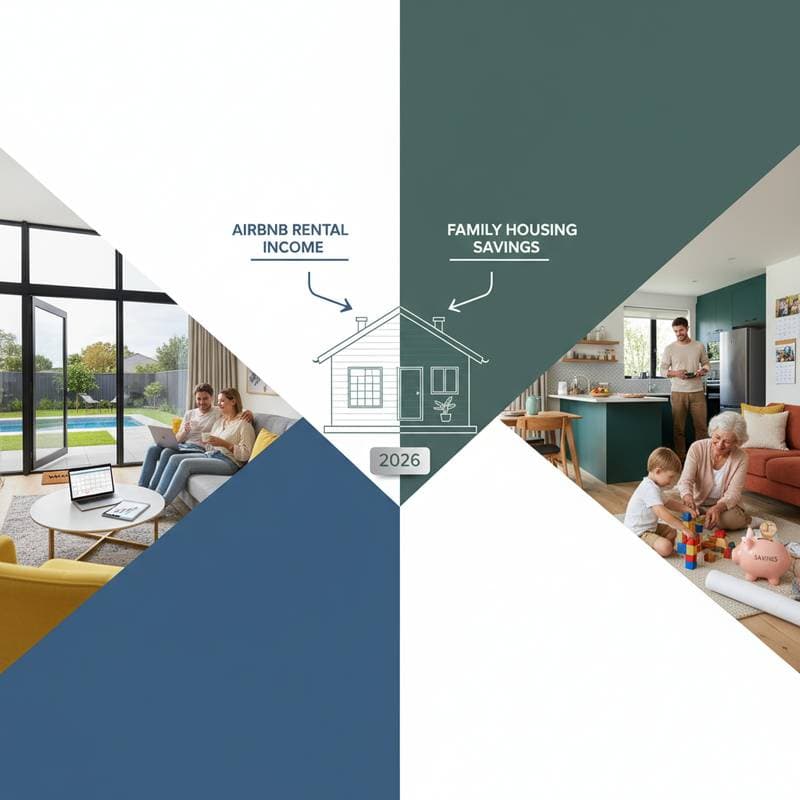
ROI Comparison: Airbnb vs Family Occupancy
An analysis of financial performance for each utilization scenario provides clarity on potential outcomes.
| Use Type | Average Annual Income/Savings | Payback Period | Long-Term ROI |
|---|---|---|---|
| Airbnb Rental | $24,000 - $42,000 | 6 - 8 years | 8-12% annualized return |
| Family Use | $18,000 - $36,000 (in avoided rent or care costs) | 10 - 12 years | 5-7% equivalent value increase |
ROI encompasses more than monetary gains. Family occupancy often alleviates daily pressures, fosters interpersonal bonds, and enhances overall property functionality. Rental arrangements deliver immediate revenue streams and greater adaptability for eventual property sales. Both approaches elevate property valuation by 20 to 30 percent, contingent upon regional real estate trends and build specifications.
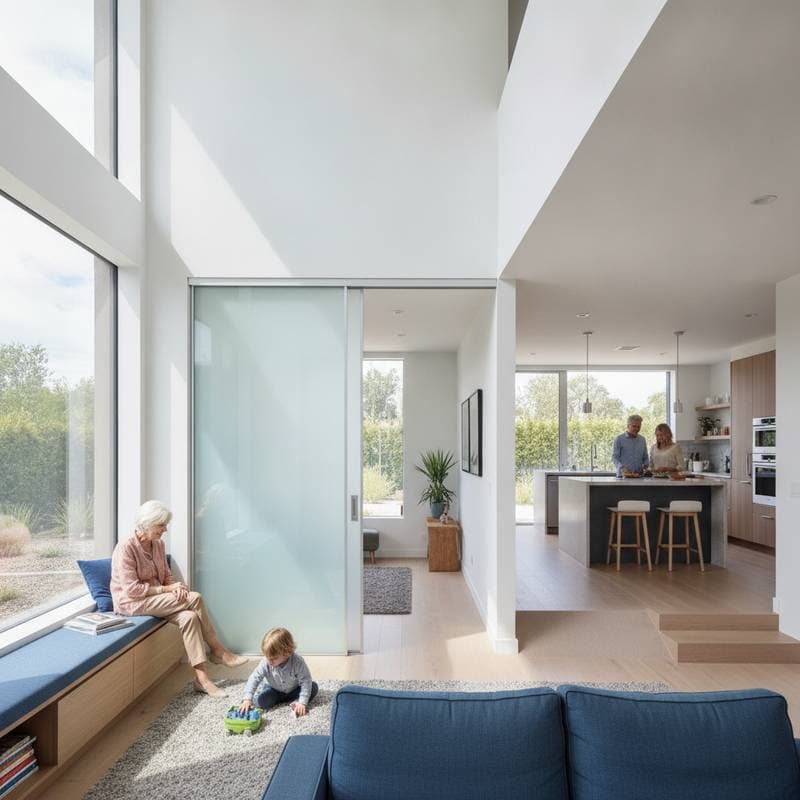
To optimize Airbnb outcomes, select furnishings that appeal to short-term guests, such as modular seating and durable textiles, while incorporating smart locks for secure, keyless access. For family applications, prioritize adaptable layouts, including multi-purpose rooms that accommodate home offices or guest sleeping areas, ensuring the space evolves with household requirements.
Managing Maintenance and Long-Term Value
Post-construction upkeep plays a pivotal role in sustaining the granny flat's value or averting unforeseen costs. Arrange yearly evaluations of the roof, heating and ventilation systems, and plumbing infrastructure. Perform quarterly air filter replacements and periodic window resealing to mitigate water intrusion risks.
In rental scenarios, establish a contingency fund equivalent to three months of projected earnings to address repairs promptly. Guests anticipate swift resolutions, and procrastination may diminish platform ratings or pose liability concerns. For family settings, integrate accessibility modifications like handrails and slip-resistant surfaces to prepare the unit for senior occupants over time.
Regular maintenance not only preserves structural integrity but also bolsters resale appeal. Document all upkeep activities to demonstrate diligent care to prospective buyers or appraisers, potentially accelerating the payback timeline.
Steps to Launch Your Project
A thoughtfully executed granny flat functions as both a revenue generator and a familial support structure. Regardless of preference for rental proceeds or dedicated housing for relatives, adherence to sound financial planning and expert building practices proves essential.
Initiate the process by soliciting contractor bids, verifying compliance with zoning ordinances, and computing the break-even threshold based on intended use. Should uncertainties arise regarding regulatory influences, engage certified specialists familiar with accessory dwelling unit standards in your vicinity. These experts facilitate comprehensive site evaluations, adherence to energy efficiency mandates, and streamlined permitting procedures, paving the way for a seamless realization of your investment vision.