Smart Shutoffs Unlock Insurance Savings in 2026
Home renovation projects across the country continue to rise in cost, beyond the effects of inflation alone. Insurance premiums for older homes increase rapidly due to escalating water damage claims. A personal experience with a burst supply line behind a dishwasher during an out-of-town trip resulted in thousands in repairs and a subsequent premium hike. This incident prompted an exploration of smart water shutoff valves, which prevent significant water losses and qualify for insurance discounts in numerous states.
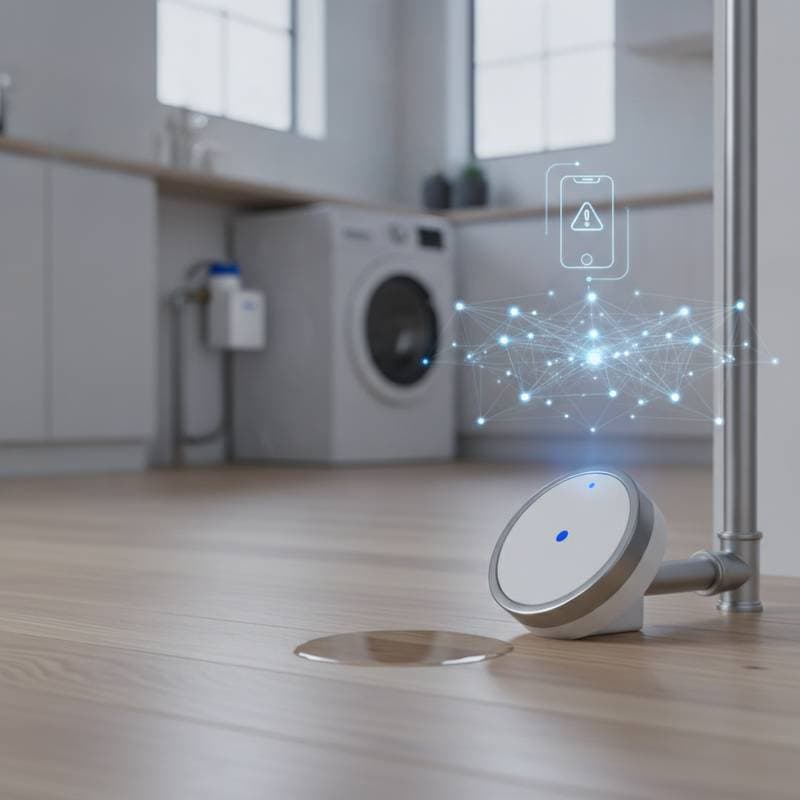
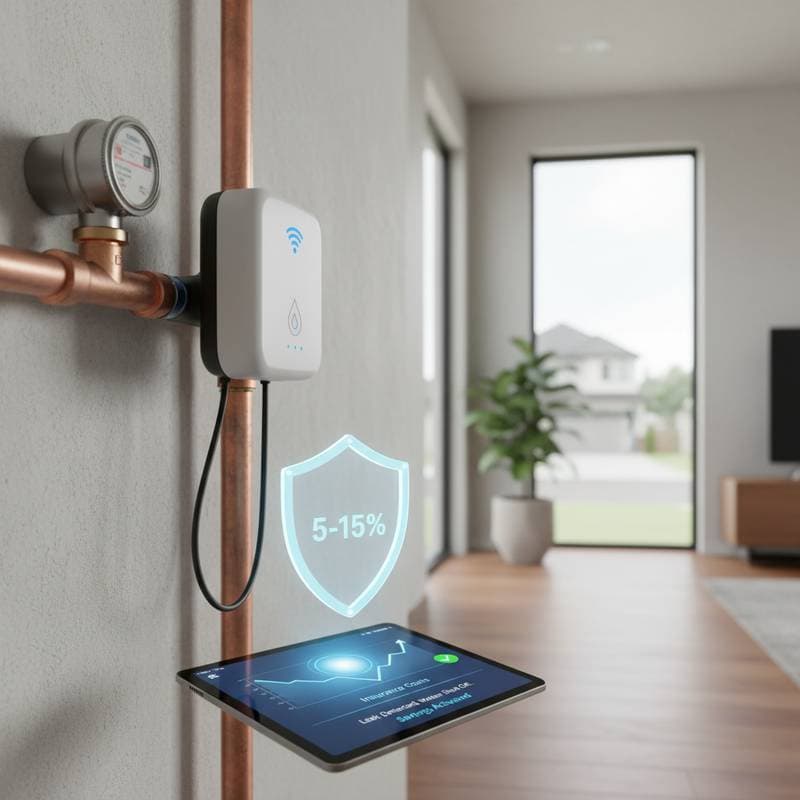
These compact devices integrate sensors and Wi-Fi connectivity to identify leaks and automatically halt water flow during issues. Initially positioned as a luxury feature, they now serve as essential tools for homeowners seeking to safeguard property and manage insurance expenses effectively.
Why Smart Shutoffs Are Suddenly a Hot Topic
Insurance providers face ongoing challenges from preventable water damage claims, which rank among the leading causes of home insurance payouts. Many incidents originate from minor issues, such as a fractured hose, a worn toilet seal, or a frozen pipe. Smart shutoff valves detect these problems early and interrupt water supply automatically, positioning them as effective risk mitigation tools in the eyes of insurers.
Homeowners respond enthusiastically, particularly with premium reductions of 5 to 15 percent available for confirmed installations. Certain carriers offer rebates that offset a portion of the purchase price. This upgrade enhances safety, lowers recurring expenses, and elevates a home's market appeal simultaneously.
To maximize benefits, research local insurance policies for eligibility. Verify discount programs through your provider's website or by contacting an agent. Document the installation with photos and receipts to streamline the claims process for rebates or premium adjustments.
The Smart Decision: DIY or Professional
Assess your home's plumbing setup before proceeding. If a main shutoff valve features threaded connections and an easily accessible water line, a DIY approach may suffice. The process requires stopping the water flow, detaching the existing valve, and securing the new one with proper threading. Additional steps include linking the power source and establishing Wi-Fi connectivity.
For homes with copper or PEX piping, or those requiring cuts into the main line, professional assistance proves essential. Errors during setup can cause leaks or invalidate warranties. Qualified plumbers typically complete the installation in less than two hours, justifying the investment for reliability.
Obtain three free quotes from licensed local contractors to compare options. Inquire about their experience with connected devices and ensure compatibility with your home's water pressure and pipe dimensions. Select a model certified for your region's building codes to avoid future compliance issues.
How These Devices Work
Smart shutoff valves operate through two primary mechanisms:
- Flow Monitoring: The device tracks water usage patterns continuously. It flags potential leaks by noting sustained flow during periods of inactivity across fixtures.
- Automatic Response: Upon leak confirmation, the valve seals shut to halt the water supply and dispatches an alert to your smartphone application.
Advanced models connect with smart home ecosystems or voice assistants for remote oversight. Certain variants incorporate temperature sensors to preempt pipe bursts from freezing conditions. This blend of automation and real-time data empowers users with oversight, even from distant locations.
Frequent travelers or owners of vacation properties find particular value in this technology. Integration with weather apps can provide proactive notifications about risks like extreme cold snaps. Regular firmware updates from manufacturers enhance detection accuracy over time.
Smart Home Integration
Connecting a smart shutoff to a home automation platform reveals unexpected efficiencies. Monitoring water consumption via a mobile app, tracking irrigation patterns, and receiving notifications for appliance usage during unusual hours become straightforward.
Most brands support these integration elements:
- App Control: Remotely toggle the valve open or closed as needed.
- Usage Tracking: Analyze consumption data to identify inefficiencies and promote conservation.
- Alerts: Receive notifications via text, email, or app push for immediate awareness.
- Voice Assistant Compatibility: Issue commands through devices like Amazon Echo or Google Home for hands-free operation.
These capabilities foster greater household efficiency, particularly in homes with multiple bathrooms and high-water appliances. Families benefit from reduced utility bills alongside enhanced leak prevention.
Maintenance and Lifespan
Smart shutoff valves demand little upkeep. Perform a manual test biannually by operating the valve through the app to confirm functionality. Clean sensors gently with a dry cloth and verify Wi-Fi signal strength periodically.
Models equipped with backup batteries require annual replacements to maintain reliability during power outages. In areas with hard water, install an upstream filter or softener to minimize mineral deposits that could impair performance.
These devices typically endure 10 to 15 years, comparable to water heaters or pressure regulators. Adhering to manufacturer guidelines extends operational life and preserves warranty coverage. Schedule professional inspections every five years for thorough evaluations.
Implementing Your Smart Upgrade
Committing to a smart shutoff valve yields tangible reductions in insurance costs and robust defense against water damage. Initial expenses range from $450 to $1,200, including installation, yet return on investment materializes quickly through discounts and averted repairs. This addition not only secures financial benefits but also instills confidence during absences, ensuring your home remains protected without constant vigilance.