Understanding the New Permit-Free Renovation Rules for Homeowners
Homeownership offers opportunities to personalize and enhance living spaces. However, navigating building permits has long complicated even modest improvements. Effective January 2025, updated regulations exempt certain minor projects from permit requirements, streamlining the process while upholding essential safety measures.
These changes target everyday upgrades that pose low risk to structures or public safety. Homeowners planning cosmetic refreshes, small outdoor additions, or basic replacements benefit most. This article explains the implications, eligible projects, compliance strategies, and scenarios requiring expert involvement.
Projects Eligible for Permit Exemptions
The revised rules classify specific tasks as minor work, freeing them from formal approvals in many jurisdictions. Eligibility varies by location, so verification with local authorities remains crucial. The following categories outline common exemptions, focusing on projects that maintain structural integrity without extensive modifications.
Interior Cosmetic Enhancements
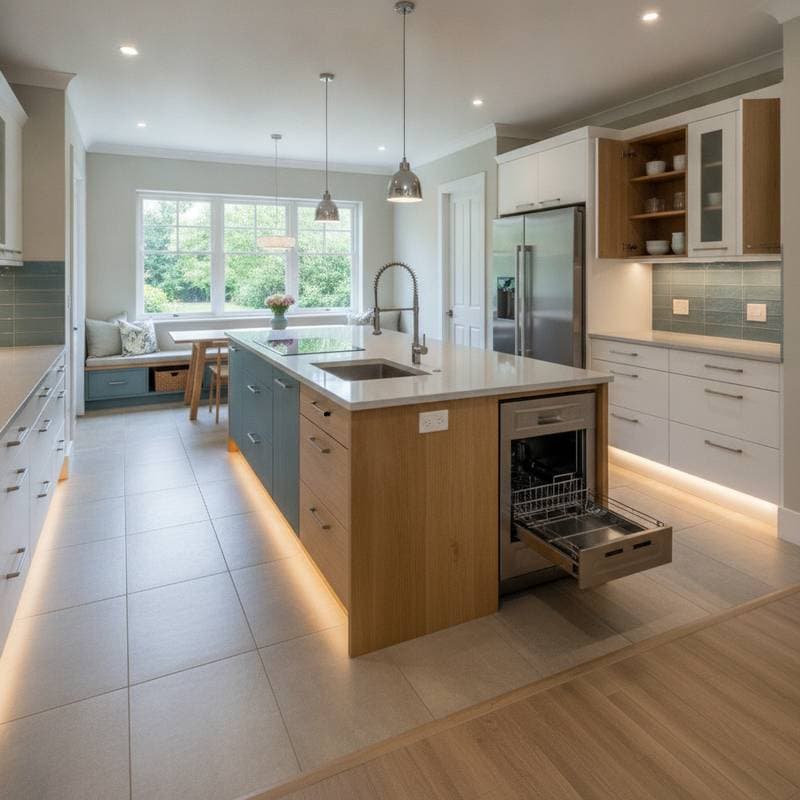
Tasks such as applying fresh paint, laying new flooring, or updating cabinetry typically qualify for exemption. These activities avoid impacts on load-bearing elements, electrical wiring, or plumbing lines. For instance, homeowners can replace worn tiles in a bathroom or install shelving in a closet without submitting plans, provided no walls shift or utilities relocate.
Low-Profile Decks and Patios
Ground-level patios or decks below a designated height often bypass permit needs. Local codes commonly set limits at 30 inches above grade and require detachment from the main structure. A homeowner might construct a 10-foot by 12-foot wooden platform for outdoor seating, ensuring it uses pre-approved materials and follows setback distances from property lines.
Fences and Screening Elements
Erecting fences up to six feet tall in rear yards usually falls under exemptions, as long as they do not obstruct sight lines at intersections or driveways. Materials like wood or vinyl work well within these guidelines. Before installation, measure the proposed height and position to confirm alignment with zoning restrictions.
Detached Garden Buildings and Sheds
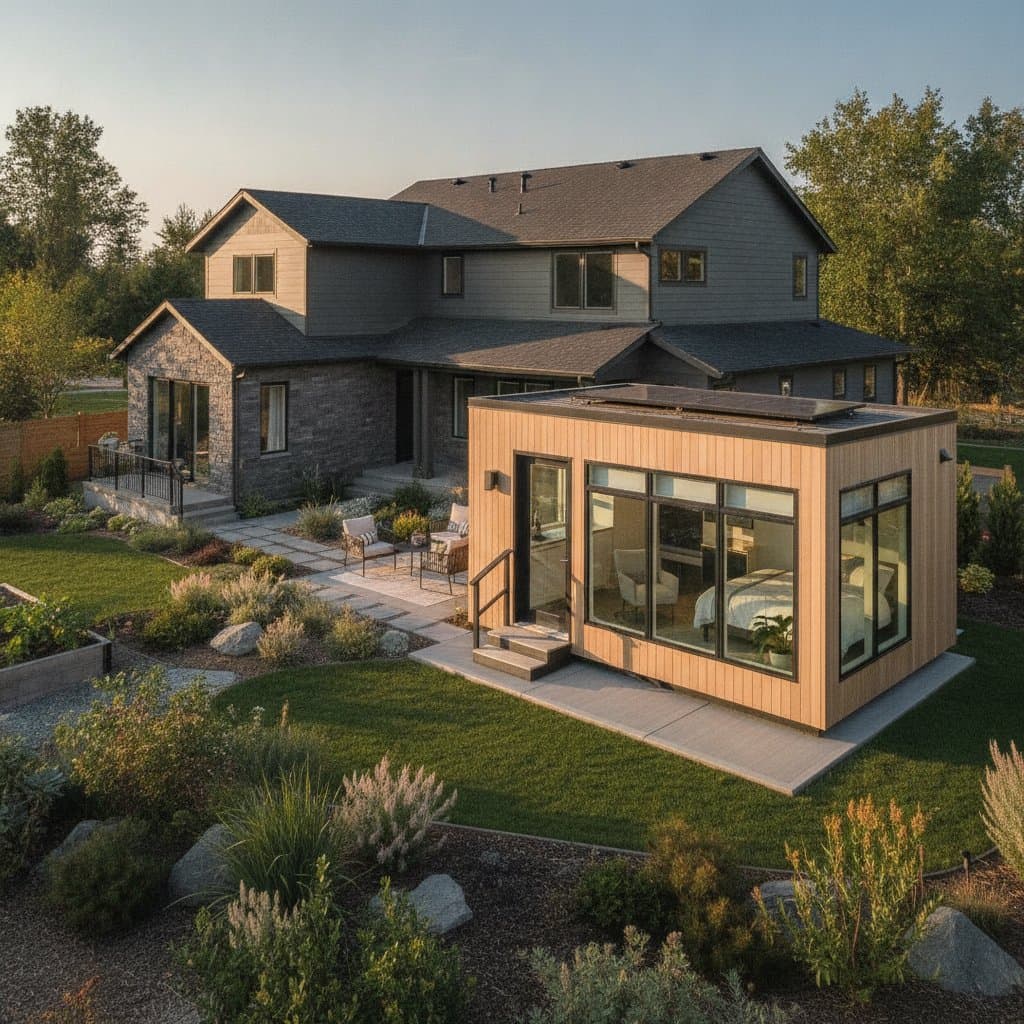
Small sheds or greenhouses under 120 square feet and limited to 10 feet in height qualify in numerous areas. These must remain freestanding and serve storage or hobby purposes only. Site the structure at least five feet from neighboring boundaries to avoid disputes, and anchor it securely against weather elements.
Basic Fixture Replacements in Plumbing and Electrical Systems
Exchanging faucets, outlets, or switches counts as minor if no new circuits or pipes enter the equation. For example, upgrading a kitchen sink involves disconnecting the old unit and connecting a compatible model using existing lines. Consult a professional if the work involves accessing concealed components.
Deciding Between DIY Efforts and Professional Assistance
Permit exemptions encourage self-directed projects, yet assessing personal capabilities proves vital. Evaluate the task's complexity, required tools, and potential hazards before proceeding.
Suitable DIY Projects
Opt for endeavors like wall painting, floor covering installation, or assembling a compact shed kit. These demand basic tools such as brushes, levels, and drills. Begin with a detailed plan: measure spaces accurately, gather quality supplies, and follow manufacturer instructions to achieve professional results.
Indicators for Professional Engagement
Delegate tasks involving electrical panels, gas connections, or roof alterations to licensed experts. Such work demands specialized knowledge to prevent fires, leaks, or collapses. Professionals also navigate code nuances, ensuring installations meet durability standards and qualify for insurance coverage.
Mandatory Professional and Permit Requirements
Some renovations inherently demand oversight, regardless of exemption status. Structural alterations, such as adding rooms or modifying foundations, require permits and inspections. Similarly, installing solar panels, HVAC systems, or second-story additions triggers mandatory reviews.
Select contractors through verified references and licensing checks. Request detailed proposals outlining timelines, costs, and compliance assurances. Post-completion inspections by authorities validate the work, safeguarding resale value and liability protection.
Ensuring Compliance in Permit-Exempt Work
Relaxed rules do not eliminate accountability. Maintain thorough records, including material invoices, dimension diagrams, and before-and-after images. These documents demonstrate adherence during property assessments or sales.
Initiate projects with a consultation from the local building department. Describe the scope via phone or email to receive confirmation on exemption status. This proactive measure avoids fines, which can reach thousands, and halts work mid-progress.
Sustaining Renovation Quality Over Time
Completed upgrades require ongoing attention to retain functionality. For a new deck, conduct annual reviews of railings, joists, and sealants for deterioration. Address issues promptly with appropriate repairs, such as tightening bolts or applying protective coatings.
Establish a centralized log for all home modifications. Note completion dates, used materials, and any expert recommendations. This resource aids in scheduling maintenance, resolving disputes, and preparing for insurance evaluations.
Maximizing Benefits from Simplified Renovation Processes
The 2025 updates empower homeowners to invest in their properties efficiently. Embrace opportunities for personalization while prioritizing safe execution. Start with modest tasks to gain proficiency, gradually tackling more involved improvements.
Balance cost savings with quality outcomes by sourcing durable materials and learning foundational techniques. When uncertainties arise, seek guidance from building officials or contractors. Ultimately, these strategies foster enduring home enhancements that enhance daily living and property worth.