Introduction to Spring Roof Maintenance
As winter fades, spring brings opportunities to address roof vulnerabilities exposed by harsh weather. Proactive inspections prevent minor issues from becoming major expenses. Homeowners can follow this step-by-step guide to evaluate and maintain their roofs effectively, ensuring long-term protection and efficiency.
Step-by-Step Roof Inspection Guide
Begin your inspection on a dry day with stable weather. Gather tools such as a ladder, gloves, binoculars, and a flashlight. Proceed methodically to cover all areas without rushing.
1. Clear Gutters and Downspouts
Clogged gutters lead to water overflow that damages foundations and siding. Climb the ladder carefully and remove leaves, twigs, and sediment using a trowel or gloved hands. Flush the system with a garden hose to confirm unobstructed flow, then secure loose sections with screws if needed.
2. Remove Debris from Roof Surface
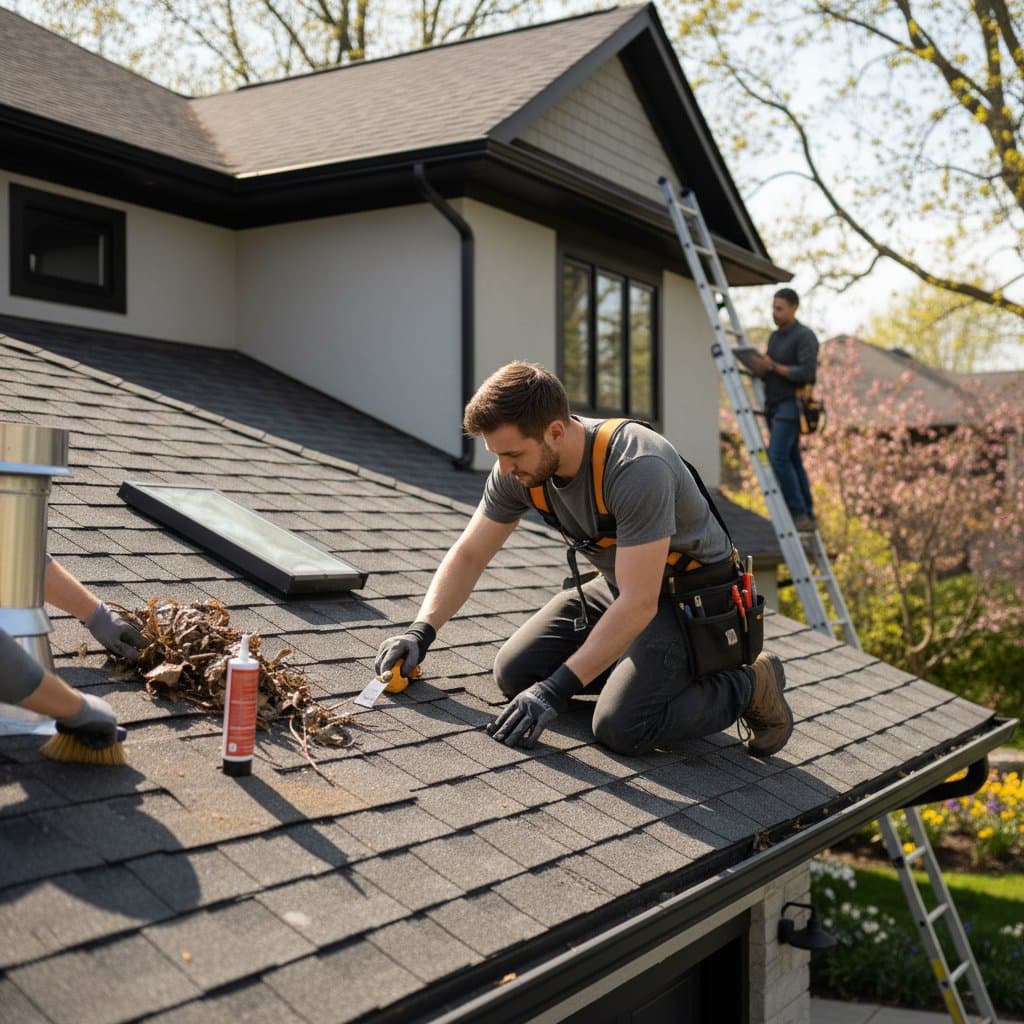
Accumulated branches, leaves, and moss trap moisture and accelerate deterioration. From the ground, use a leaf blower for initial clearing; for closer access, sweep gently with a soft broom to avoid dislodging granules. Focus on valleys and edges where debris collects most readily.
3. Inspect Shingles for Wear and Tear
Cracked, curled, or missing shingles compromise weather resistance. Examine rows systematically, noting bald spots where granules have worn away. Replace individual damaged shingles by lifting adjacent ones, applying roofing cement, and pressing firmly into place.
4. Check Flashing Around Chimneys and Vents
Flashing seals prevent water intrusion at roof penetrations. Inspect metal or rubber seals for rust, gaps, or separation from the roof surface. Apply a high-quality sealant to cracks, ensuring full coverage without excess buildup that could trap moisture.
5. Examine for Signs of Leaks and Soft Spots
Interior ceilings may show stains from undetected leaks. Walk the roof if safe, pressing gently on surfaces to detect spongy areas indicating rot. From inside, probe attic ceilings with a screwdriver to identify weakened spots requiring immediate attention.
6. Assess Tree Branches and Overhanging Limbs
Overhanging branches rub against shingles during winds, causing abrasions. Trim limbs that extend within ten feet of the roof using proper pruning tools. Consider professional arborists for tall or unstable trees to avoid injury.
7. Inspect Attic Ventilation and Insulation
Adequate airflow maintains a dry roof structure and optimizes energy use. Verify that soffit, ridge, and gable vents remain free of blockages like bird nests or insulation fibers. Ensure insulation layers appear uniform and free of dampness; address any moisture sources promptly to prevent mold growth.
8. Look Around Skylights and Roof Windows
These features often develop leaks at edges over time. Inside, scan for discoloration or blistering on surrounding drywall. Exteriorly, confirm that sealant around frames remains pliable and adhered; reapply as necessary using a waterproof caulk suitable for the material.
The Impact of Roof Maintenance on Home Value
A maintained roof enhances visual appeal and operational efficiency, directly influencing property worth. Prospective buyers prioritize roofs during viewings, viewing pristine conditions as evidence of diligent upkeep. Beyond sales, consistent care averts replacement costs ranging from four to ten dollars per square foot based on materials like asphalt or metal.
Regular upkeep extends roof longevity by up to ten years through timely interventions. Clean drainage systems safeguard not only the roof but also exterior walls and structural bases. Optimized airflow lowers energy demands, particularly for air conditioning in summer.
Comparing DIY and Professional Approaches
Homeowners handle basic tasks with standard tools, while complex issues demand expert intervention. This table outlines suitable options for common activities.
| Task | DIY Friendly | Best for Professionals |
|---|---|---|
| Clearing debris | Yes | |
| Replacing a few shingles | Yes, with care | |
| Resealing flashing | Yes | |
| Inspecting underlayment | Yes | |
| Full roof cleaning or treatment | Yes | |
| Structural repair | Yes |
If ladder work feels daunting, limit efforts to ground-level observations and arrange biennial professional assessments.
Addressing Frequent Homeowner Concerns
How Often Should Roof Inspections Occur?
Inspections twice annually align with seasonal shifts, targeting spring for thaw damage and fall for storm preparation. These intervals allow early detection of wear from expansion, contraction, or debris accumulation.
Are Gutter Cleanings Necessary with Guards Installed?
Guards minimize debris entry but require periodic maintenance to function optimally. Inspect and rinse quarterly, removing fine particles that bypass the screens to maintain drainage efficiency.
What Steps Follow Discovering a Minor Interior Leak?
Locate the stain's exterior counterpart on the roof and apply temporary sealant to visible cracks. Document the issue with photos and consult a professional if water persists after patching, as underlying damage may extend to sheathing.
Does Moss Removal Suit Every Roof Type?
Select gentle, material-specific removers to avoid surface erosion. Steer clear of harsh chemicals or pressure washing, which strip protective layers; opt for zinc-based strips for long-term prevention on sloped surfaces.
Is Painting Roof Flashing to Match Trim Advisable?
Exterior-grade paints formulated for metal and weather exposure work well. Prepare surfaces with a rust-inhibiting primer, then apply two coats for durability against UV rays and thermal cycling.
Essential Strategies for Effective Inspections
Time inspections post-initial thaw when temperatures stabilize above freezing. Maintain a log detailing observations, applied fixes, and material ages to inform future decisions. Capture images annually to monitor progressive wear patterns like granule loss or edge curling. Employ binoculars for safe, distant views of challenging roof sections such as hips and ridges.
Consistent application of these practices yields a resilient roof that protects your investment year-round. Homeowners who prioritize spring checks often report fewer surprises and sustained property performance.