2025 Mandates: Secure Your Basement Against Floods
Home insurance renewals have become more stringent in recent years. During one renewal process, an agent highlighted that coverage might decrease without basement waterproofing upgrades. These new flood-prevention mandates represent more than administrative changes; they require homeowners to enhance property protection.
Increasing storm frequency, aging drainage infrastructure, and evolving insurance policies compel action. Homeowners with basements that exhibit musty odors or damp marks after rainfall face elevated risks. A structured approach enables compliance with requirements, maintains insurance validity, and averts potential disasters.
Understanding the New Mandates
Rising insurance claims and rigorous underwriting practices drive these updated flood-prevention regulations. Insurers frequently demand evidence of waterproofing systems, sump pump setups, or exterior grading enhancements for properties in moderate- to high-risk areas.
Documentation proves particularly challenging. Insurers often request contractor invoices, images of drainage installations, or official inspection documents. Incomplete records can delay renewals or increase premiums.
Essential compliance elements encompass:
- Active water management systems, including sump pumps equipped with battery backups.
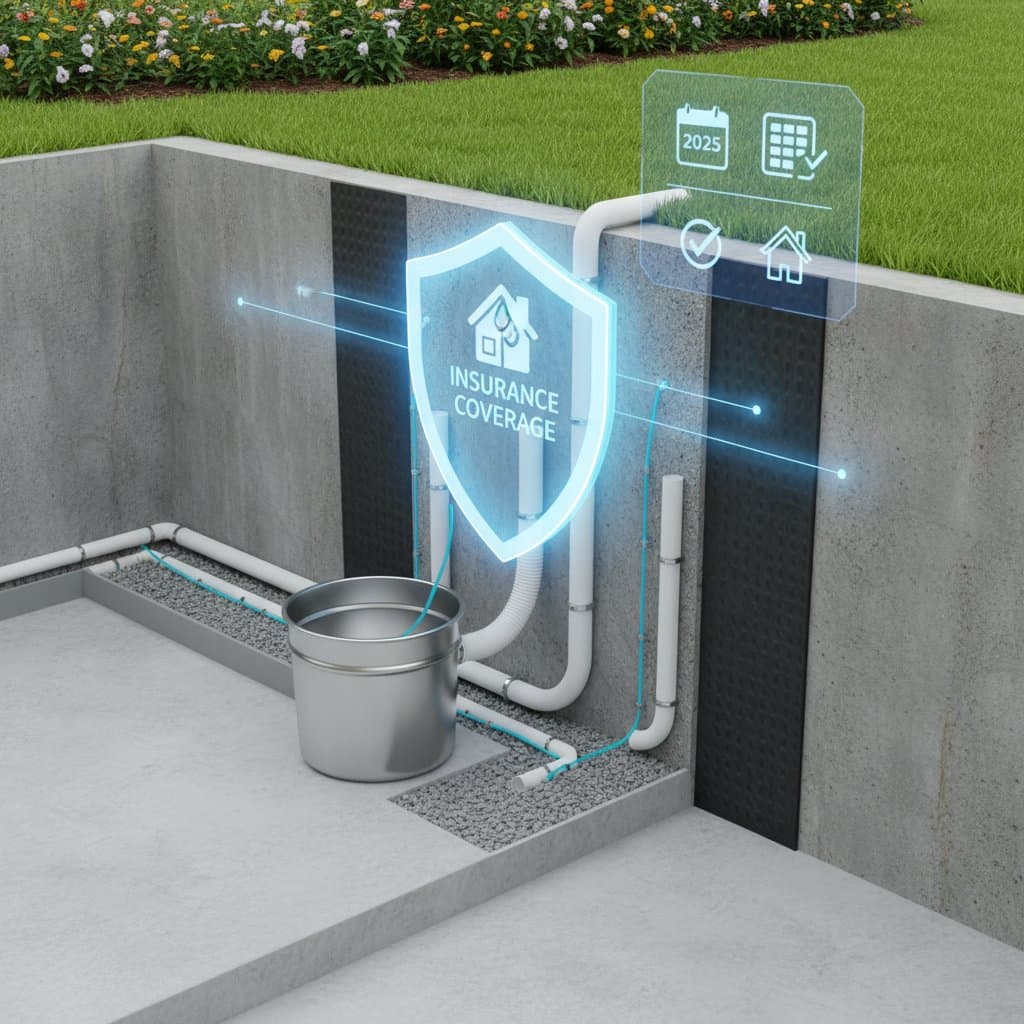
- Foundation safeguards via interior or exterior drainage solutions.
- Waterproof membranes or sealants designed to withstand hydrostatic pressure.
- Verification of maintenance, such as yearly sump pump evaluations or drain clearing.
These measures now constitute standard prerequisites for policy acceptance.
Smart Decision Framework: DIY vs Professional Help
Small-scale waterproofing efforts, such as sealing fissures and redirecting downspouts, prove feasible for independent completion. Larger projects, however, like concrete cutting for drainage or sump pump electrical integration, necessitate expert involvement.
DIY Tasks That Make Sense
- Extend downspouts 6 to 10 feet away from the foundation.
- Regrade soil to direct water flow from exterior walls.
- Apply interior waterproof coatings to address minor leaks.
- Clean gutters and conduct sump pump tests several times annually.
Such initiatives involve minimal expense and substantially lessen water accumulation.
When to Hire Professionals
- Foundation excavation or crack injection, where errors risk compromising structural stability.
- Sump pump installation or electrical modifications, which demand adherence to building codes.
- Drain tile placement, requiring specialized equipment and expertise in managing hydrostatic forces.
Although professional services entail higher initial costs, ineffective amateur attempts frequently result in costlier repairs down the line.
Regional Cost Notes
Expenses for flood prevention differ across regions, influenced by local soil conditions, labor rates, and inspection demands. Coastal or floodplain locations typically incur elevated charges due to regulatory scrutiny.
- Midwest: $5,000 to $12,000 on average, reflecting challenges with clay-rich soils.
- Northeast: $8,000 to $18,000, accounting for complexities with stone-based foundations.
- South: $6,000 to $14,000, frequently incorporating sump pumps and dehumidifiers.
- West: $9,000 to $21,000, due to intricate excavation on constrained properties.
Early outreach to regional contractors secures competitive pricing amid rising demand.
Safety and Code Compliance
Waterproofing projects appear straightforward until encountering concrete or wiring. One common pitfall involves drilling into foundations without verifying rebar locations, which may induce fractures.
Critical safety measures include:
- Donning protective equipment during sealant mixing or application.
- Utilizing GFCI-protected outlets for sump pump operations.
- Preventing discharge line freezing or blockages.
- Monitoring for mold development behind walls following water exposure.
In cases of prior water damage causing mold or structural issues, engage certified remediation experts prior to waterproofing efforts. Concealing pre-existing problems may invalidate future insurance claims.
Maintenance and Monitoring
Following significant investments in waterproofing, regular upkeep represents the most economical safeguard. Quarterly sump pump testing, scheduled via reminders, ensures reliability.
Standard maintenance procedures involve:
- Testing the sump pump by adding water to the basin until the float switch engages.
- Clearing the discharge line of debris or ice accumulation.
- Examining and patching minor cracks with hydraulic cement promptly.
- Verifying soil grading, as settling occurs over time and may require adjustments.
- Maintaining indoor humidity below 50 percent to mitigate condensation.
Seasonal attention spanning a few hours preserves system efficacy and supports insurance compliance.
Making It Happen
Basement flood protection extends beyond regulatory adherence; it constitutes a strategic investment in security, livability, and property equity. Begin with a risk evaluation tailored to your residence and locale, followed by budget allocation.
Step-by-step implementation:
- Inspect the basement and surrounding yard post-rainfall to identify vulnerabilities.
- Document issues through photographs and compile historical repair documentation.
- Obtain a minimum of two estimates from accredited waterproofing specialists.
- Explore financing options, including low-interest loans from lenders or insurers for mitigation projects.
- Time installations during dry weather to facilitate excavation or sealing.
- Perform and record quarterly system tests to confirm ongoing performance.
Completion of these actions fulfills mandate obligations while shielding against pervasive property threats.
Experience navigating water issues and inspections underscores the rewards of proactive measures. A dry, fortified basement fosters reduced anxiety, consistent insurance terms, and enduring structural support for the home above.