Boost Home Value: Granny Pods as 2026 ADU Kits
Home upgrades often balance flexibility and return on investment. Few projects achieve this as effectively as installing a backyard accessory dwelling unit, or ADU. Recent market shifts highlight granny pods, compact prefabricated backyard cottages for independent living, rental income, or property future-proofing. With rising material costs and ongoing housing shortages, homeowners increasingly select these efficient units to expand space without the challenges of a full-scale addition.
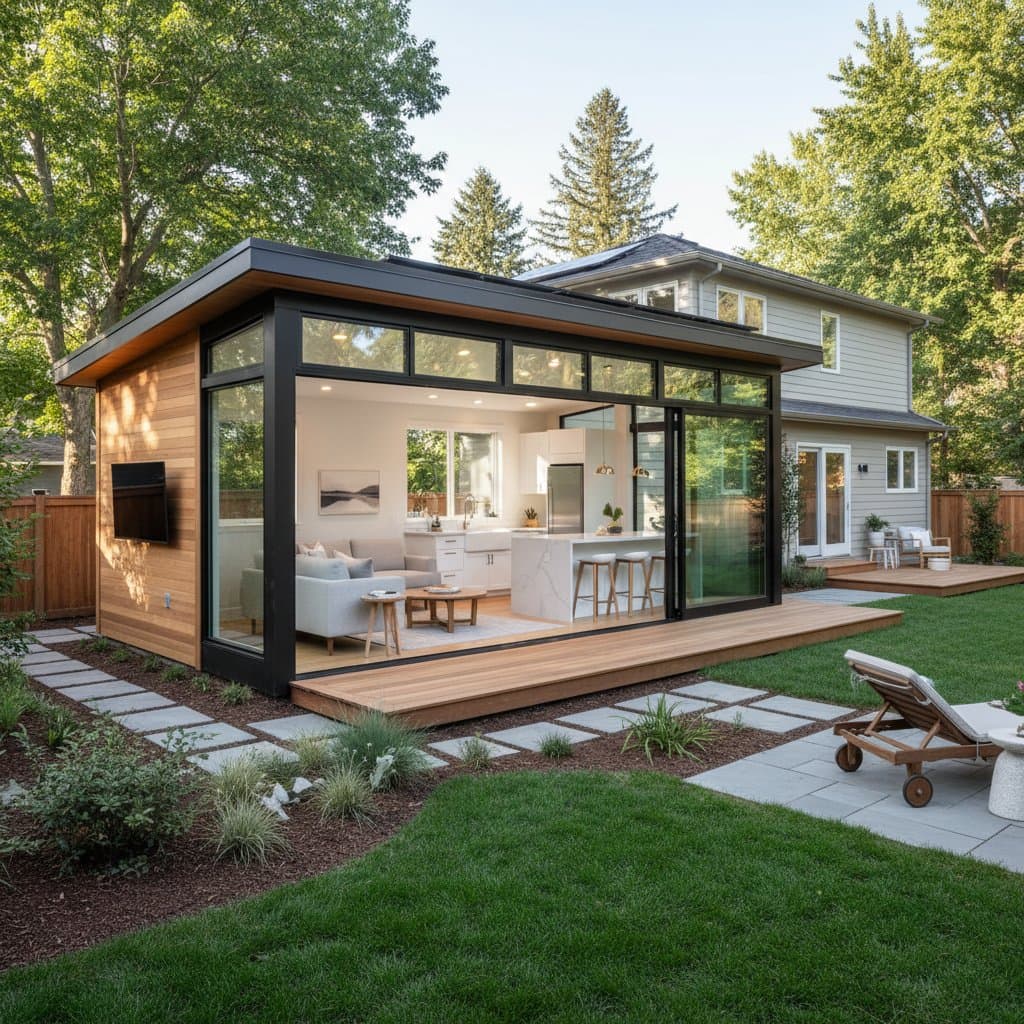
A granny pod provides comfortable housing for a loved one, a private office, or a reliable income source. The 2026 generation of prefab ADU kits features faster installation, superior insulation, and designs resembling small modern homes rather than temporary outbuildings.
Why Granny Pods Are Surging in Popularity
Granny pods offer more than convenience. Homeowners value them as multi-purpose, income-producing assets. Unlike basement suites or attached additions, these standalone structures maintain privacy and preserve property flow. Proper design and permitting allow them to function as:
- Long-term residences for aging parents
- Rental studios generating steady monthly income
- Guest suites for extended family visits
- Home offices or creative workspaces
Prefab ADU kits have advanced from basic sheds to efficient mini-homes. Many arrive pre-wired, pre-insulated, and pre-plumbed, minimizing build time and labor costs. Selecting a prefab kit streamlines logistics by involving one supplier for delivery and assembly, rather than multiple subcontractors.
Cost Breakdown: Materials, Labor, and Regional Factors
Costs for granny pods vary by region, design, and installation method. The following provides a realistic overview.
Prefab Kit Costs
Turn-key prefab ADU kits range from $65,000 to $120,000 before site work. This covers framing, insulation, roofing, and basic interior finishes. Higher-end models with upgraded windows, built-in cabinetry, or solar readiness extend to $150,000.
Site Preparation and Foundation
Allocate $10,000 to $25,000 for grading, foundation, and utility hookups. Expenses increase in areas with challenging terrain or restricted access for cranes and trucks. Existing utility lines in the backyard reduce trenching needs, saving time and money.
Labor and Permitting
Plan for $25,000 to $40,000 in licensed labor, inspections, and permits. Local fees vary, but cities typically mandate structural and electrical approvals, particularly for units with full plumbing.
Regional Adjustments
- West Coast: Higher labor rates and stringent energy codes add 15 to 20 percent to estimates.
- Midwest: Moderate costs prevail, though weather delays may extend timelines.
- South and Southeast: Lower labor rates apply, but humidity-resistant materials remain essential.
A fully completed granny pod ready for occupancy generally totals $105,000 to $185,000, influenced by upgrades and local conditions.
Smart Decision Framework: DIY or Hire a Pro
Small projects suit skilled homeowners, but full ADU builds demand professional assistance. Certain stages allow cost savings through responsible DIY efforts.
DIY-Friendly Tasks
- Site preparation, such as clearing brush or minor grading
- Landscaping, including planting privacy hedges or constructing a small deck
- Interior finishing, like painting, installing flooring, or adding trim
These efforts can reduce expenses by $5,000 to $10,000 if executed correctly. Avoid tasks requiring official inspection to prevent complications.
Professional-Only Work
- Electrical and plumbing connections, due to strict code requirements
- Foundation and framing, to ensure certified structural integrity
- HVAC installation, as sizing and venting errors may invalidate warranties
Engaging licensed professionals guarantees code compliance and preserves resale value. Shortcuts in these areas lead to higher long-term costs during sales or refinancing.
Timing Advice: When to Build and When to Wait
Spring and early summer provide optimal conditions for starting a granny pod project. Permitting offices operate at full capacity, and weather supports foundation work. Order prefab kits three to four months in advance to secure pricing, as suppliers frequently increase rates during peak demand.
In regions facing material or labor shortages, procure the kit early and store it until the contractor's schedule aligns. Pre-ordering components prevents delays, as experienced in past projects where electrician availability halted progress.
ROI and Property Value Gains
A granny pod addition can increase property value by 20 to 35 percent, depending on the market. Appraisers view permitted ADUs as distinct livable spaces, enhancing square footage and rental potential.
Rental Income Potential
A compact one-bedroom unit in suburban or urban settings generates $1,200 to $2,000 monthly. Homeowners often recover investments in six to ten years. Renting to a young couple, for instance, offset nearly half of a mortgage for multiple seasons.
Family Flexibility and Future Use
The self-contained design offers unmatched adaptability, even without immediate rental. Use it for guests, aging parents, or returning adult children. This versatility enhances appeal to prospective buyers over time.
Design Choices That Balance Comfort and Cost
Contemporary granny pods integrate styles that complement existing homes, from minimalist studios to cozy cottages. Thoughtful design supports livability and resale value.
Key Design Tips
- Align rooflines and siding with the main house for visual cohesion.
- Emphasize insulation to lower energy expenses.
- Incorporate natural light via skylights or expansive windows.
- Select universal design elements, such as wider doorways and step-free entries, for aging-in-place needs.
Prefab manufacturers provide modular customization options. Tailor layouts to yard dimensions and family requirements. A 400-square-foot unit accommodates a small kitchen, full bathroom, and combined living-sleeping area without constraint.
Safety and Code Compliance
Verify zoning regulations before contracting or ordering a kit. Municipalities may limit ADU size, occupancy, or require separate utility meters. Contact the local planning department early to avoid delays.
Safety Priorities
- Electrical systems demand inspection prior to drywall installation.
- Plumbing requires backflow prevention and adequate venting.
- Fire safety necessitates at least 10 feet of clearance from property lines or adjacent structures.
Inspections safeguard legal and financial interests. Early communication with inspectors, supported by detailed plans, fosters cooperation rather than conflict.
Financing and Incentives in the 2025–2026 Market
Financing options for ADU projects have expanded. Lenders classify prefab ADUs as permanent improvements, eligible for home equity loans or renovation credit lines. Interest rates exceed standard mortgages slightly but remain viable given returns.
States and municipalities provide rebates or low-interest loans for energy-efficient ADUs. Seek incentives for solar panels, low-flow fixtures, or green roofs. These reduce total costs by $5,000 to $10,000.
Implementation Priority: How to Plan Your Build
Approach a granny pod project with a structured plan for efficiency.
- Define the purpose, whether for family housing, rental income, or office use.
- Establish a budget with a 10 percent contingency for unforeseen expenses.
- Review zoning and permits, including setbacks, height limits, and permitted uses.
- Evaluate prefab suppliers based on kit quality, warranties, and delivery.
- Select a licensed contractor to manage foundation, hookups, and inspections.
- Arrange site preparation, completing grading and utilities before kit delivery.
- Design landscaping and access paths for a polished, integrated appearance.
Long-Term Benefits and Maintenance Tips
Maintenance Checklist
- Examine roof and gutters biannually.
- Repaint or reseal siding every five to seven years.
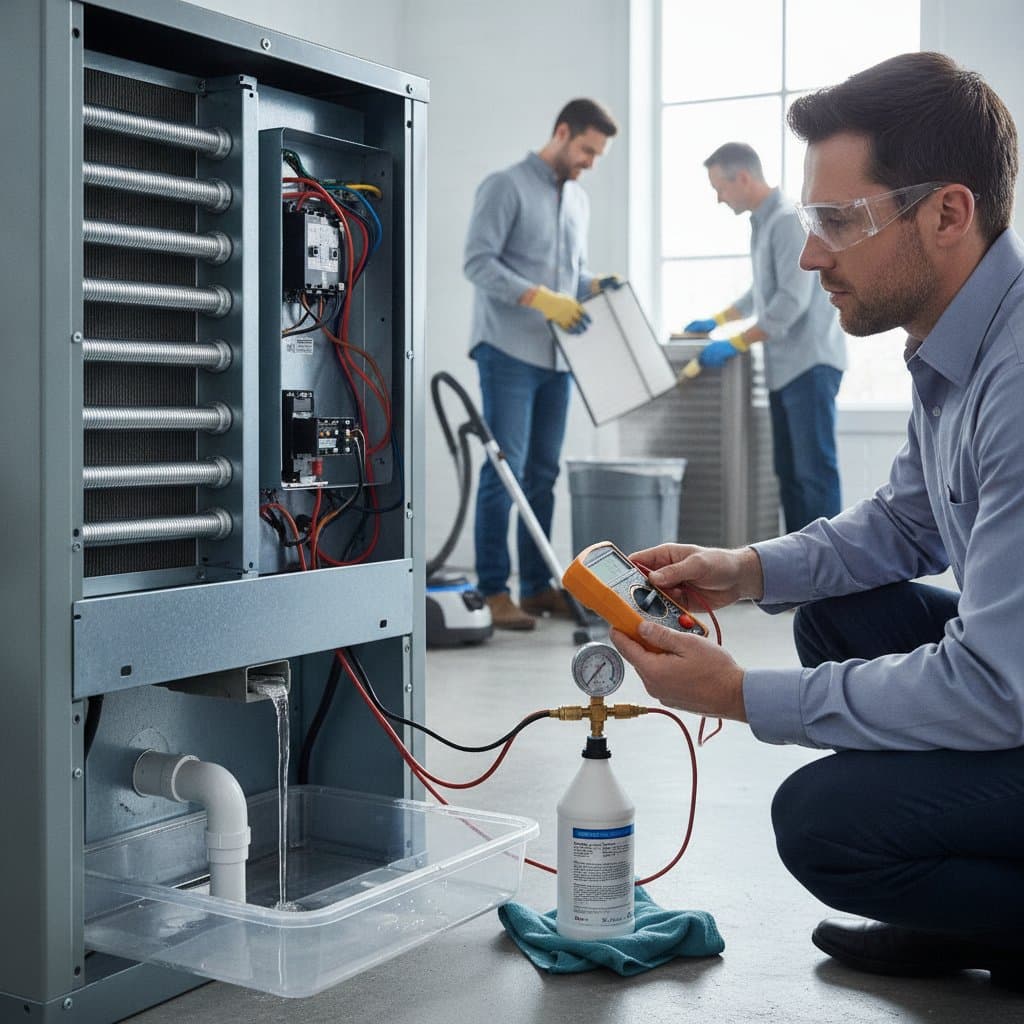
- Service HVAC systems annually to maintain efficiency.
- Inspect for moisture beneath flooring or near windows following heavy rain.
- Test smoke and carbon monoxide detectors monthly.
Making It Happen
A granny pod expands property utility and value amid today's housing dynamics. It supports family care, mortgage relief, or workspace creation through a prefab ADU kit. Define goals, assess regulations, and obtain supplier quotes to proceed.