Boost Home Value: Multigenerational Living Trends
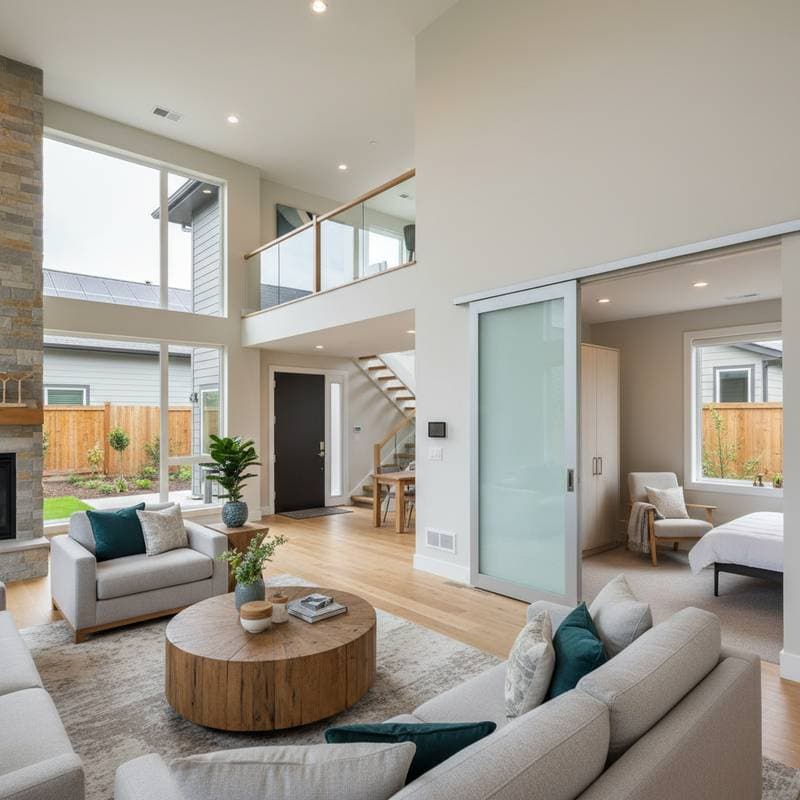
Designing a home to house multiple generations has evolved from a specialized choice into a prominent trend. Homeowners pursue this approach to gain flexibility, sustain long-term value, and foster family relationships. Multigenerational living creates environments where family members share spaces yet retain privacy, independence, and ease. Configurations range from divided living areas to standalone granny pods, influencing how families approach renovations and initial builds.
The System Behind Multigenerational Living
A multigenerational home operates as a cohesive network of private and communal areas. Designers aim to harmonize accessibility, comfort levels, and operational efficiency. Key elements include auxiliary suites, compact kitchen facilities, reinforced plumbing networks, and segmented heating, ventilation, and air conditioning setups. Every component, from airflow management to power allocation, accommodates increased residents without compromising functionality.
Structurally, the residence merges central utilities with autonomous sections. The primary task involves preventing strain on core systems from expansions. For example, adding a secondary kitchen or bathroom demands evaluation of water flow rates, sewer handling, and exhaust capabilities. Optimal outcomes arise when these features integrate seamlessly into the home's foundational mechanical framework, avoiding standalone modifications.
System Overview
Technology Type: Integrated multigenerational home infrastructure
Efficiency Rating: Varies by heating, ventilation, and air conditioning zoning and building envelope quality (typically seasonal energy efficiency ratio 16 or higher, annual fuel utilization efficiency 95 percent or higher)
Climate Zones: Applicable in Department of Energy zones 2 through 7, adjusted for local conditions
Average Capacity: 30,000 to 60,000 British thermal units for segmented heating, ventilation, and air conditioning systems
Typical Lifespan: 25 to 40 years under regular upkeep
Installation Complexity: Moderate to high, based on existing building configuration
Regional Performance and Design Factors
Local weather significantly affects the effectiveness of multigenerational configurations. In hot areas, simulations focus on managing cooling demands and optimizing sunlight exposure. Elements such as exterior shades, energy-efficient windows, and advanced air conditioning units enhance occupant satisfaction while minimizing power consumption. Colder regions prioritize unbroken insulation layers, minimized heat loss points, and backup heating options. Configurations often incorporate paired boilers or heat pumps with supplementary systems.
Managing indoor humidity proves essential in shared settings. Higher occupancy from cooking and showers increases vapor levels. Energy recovery ventilators maintain air purity and efficiency, creating healthier conditions. Such setups particularly benefit seniors vulnerable to allergens and contaminants.
To implement these, start by assessing site-specific climate data. Select materials like rigid foam insulation for walls and roofs to reduce thermal bridging. Install variable-speed fans in bathrooms to extract moisture without overworking the system.
Comparative System Design
| Feature | Dual Living Suites | Granny Pods | Full Secondary Units |
|---|---|---|---|
| Efficiency Rating | Seasonal energy efficiency ratio 16 or higher, annual fuel utilization efficiency 95 percent or higher | Seasonal energy efficiency ratio 18 or higher, annual fuel utilization efficiency 97 percent or higher | Seasonal energy efficiency ratio 15 or higher, annual fuel utilization efficiency 94 percent or higher |
| Operating Cost (National Average) | Moderate | Low | High |
| Installation Cost Range | Medium | Lower | High |
| Maintenance Complexity | Standard | Simple | Advanced |
| Environmental Impact | Low | Very low | Moderate |
Granny pods function as compact, separate or attached structures, granting autonomy to elderly relatives while keeping them close. These units equip mini heating, ventilation, and air conditioning systems, on-demand water heaters, and prefabricated barriers for superior energy results. Full secondary units demand fresh utility lines and detailed approvals yet deliver total self-sufficiency. Homeowners should compare these based on lot size and budget; for instance, granny pods suit smaller properties with zoning allowances for accessory dwellings.
Integration with Existing Infrastructure
Many renovations overlook the intricacies of merging new elements with current setups. Power distribution boards might require upgrades to support extra devices and fixtures. Pipe diameters need scaling to sustain pressure during simultaneous demands. Segmented heating, ventilation, and air conditioning prevents uneven temperatures and waste. Automated temperature controls and sensor-based airflow adjustments optimize daily operations.
Compliance with building codes remains critical for auxiliary areas. Requirements cover escape routes, ramp access, and fire barriers. Jurisdictions specify standards for overhead clearance, fresh air exchange, and separate utility billing. Engage a mechanical expert early to map out compliant plans, including load assessments for safe electrical expansions.
Cost and Lifecycle Benefits
Upfront investments appear daunting, yet these designs yield tangible advantages over time. Expanded areas raise market worth and open avenues for leasing or easier sales. High-performance utilities cut ongoing bills, recouping portions of build expenses quickly. Versatile floor plans endure family shifts, from growing households to aging in place.
Quantify returns by calculating energy savings; for example, zoned systems can lower utility payments by 20 to 30 percent in multi-occupant homes. Factor in tax incentives for green upgrades, such as those for efficient insulation or renewable integrations.
Professional Planning and Implementation
Effective outcomes stem from teamwork among designers, engineers, and builders. Conduct capacity analyses to right-size heating, ventilation, and air conditioning for more users. Detail electrical and water schematics for blended and solo patterns. Post-construction testing confirms subsystem alignment, boosting dependability.
Select professionals certified in sustainable building practices. Review portfolios for multigenerational projects to ensure relevant experience. Schedule phased reviews to catch issues before final assembly.
Achieving Enduring Family and Financial Gains
Multigenerational residences advance family strategies for real estate. They address fiscal pressures, relational dynamics, and ecological concerns simultaneously. Precise engineering, streamlined utilities, and forward-thinking layouts enable personal freedom alongside communal support, securing homes that thrive across decades.