Understanding HVAC Efficiency in Spring
As temperatures rise, your heating, ventilation, and air conditioning system transitions from winter heating to spring cooling. This shift demands attention to maintain performance. Neglecting preparation can lead to a 30 percent drop in efficiency, resulting in higher utility bills and premature wear.
Efficiency measures how effectively your system converts energy into conditioned air. Factors like dust buildup and refrigerant imbalances directly impact this. Addressing them early ensures smooth operation through summer.
Common Pitfalls in Spring HVAC Prep
Many homeowners overlook seasonal checks, assuming systems run indefinitely without intervention. Dirty filters and uncoiled debris restrict airflow, forcing the unit to work harder. In humid regions, moisture accumulation fosters mold, further reducing output.
Another error involves ignoring thermostat settings. Outdated models fail to adapt to changing weather, leading to overuse. Across various climates, from arid deserts to coastal areas, these issues compound without proper care.
Step-by-Step Spring Maintenance Guide
Start with a thorough inspection to identify issues before they escalate. Follow these actionable steps for reliable results.
1. Clean or Replace Air Filters
Filters trap dust and allergens, but they clog quickly after winter inactivity. Inspect yours monthly and replace if dirty. Choose filters with a MERV rating of 8 to 13 for balanced filtration without straining the blower.
In high-pollen areas, upgrade to pleated filters for better capture. This simple task improves airflow and can restore up to 15 percent of lost efficiency immediately.
2. Inspect and Clean Coils
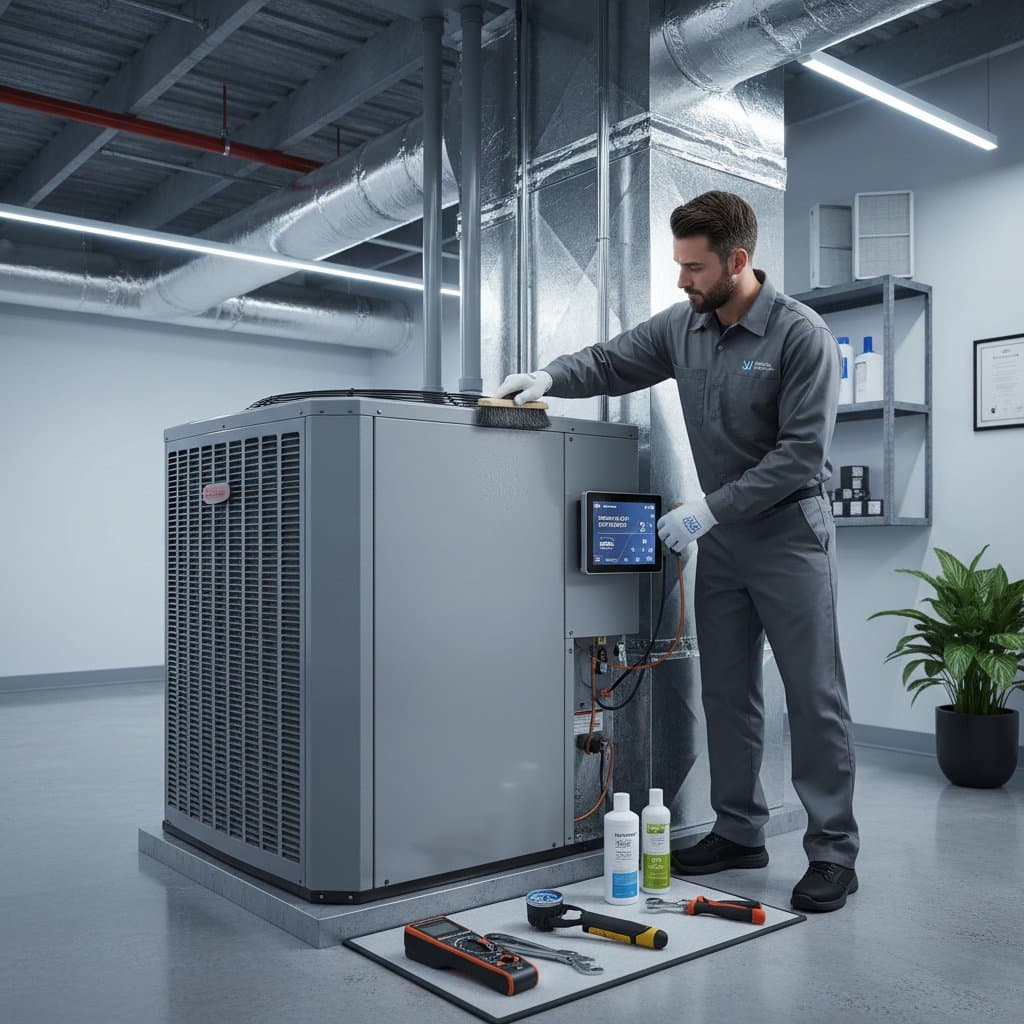
Evaporator and condenser coils accumulate grime over time, hindering heat exchange. Turn off power, then gently vacuum fins and rinse with a coil cleaner solution. Avoid bending delicate fins during the process.
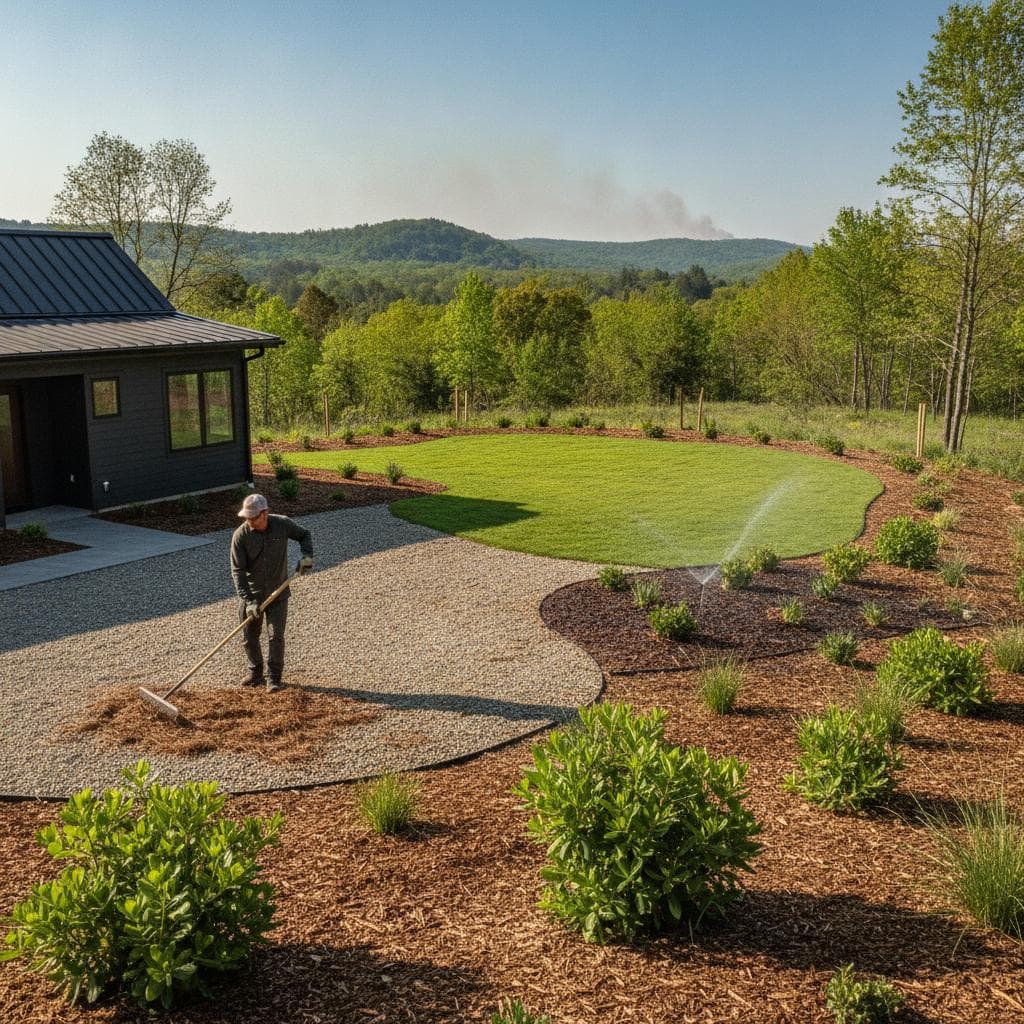
For condenser units outdoors, clear surrounding vegetation to ensure proper ventilation. Clean coils annually to prevent a 10 to 20 percent efficiency decline.
3. Check Refrigerant Levels
Low refrigerant causes the system to cycle excessively, spiking energy use. Locate the service valves and use gauges to measure pressure, or hire a professional for accuracy. Recharge only if levels fall below manufacturer specifications.
Ensure seals on lines remain tight to avoid leaks. Balanced refrigerant maintains optimal cooling without overworking the compressor.
4. Examine Ductwork and Vents
Leaky ducts waste up to 30 percent of conditioned air. Seal joints with mastic tape and insulate exposed sections in attics or crawl spaces. Register covers should direct airflow evenly across rooms.
Test for blockages by running the fan and listening for unusual noises. Straightening bent ducts restores full system capacity.
5. Calibrate Thermostats and Add Smart Features
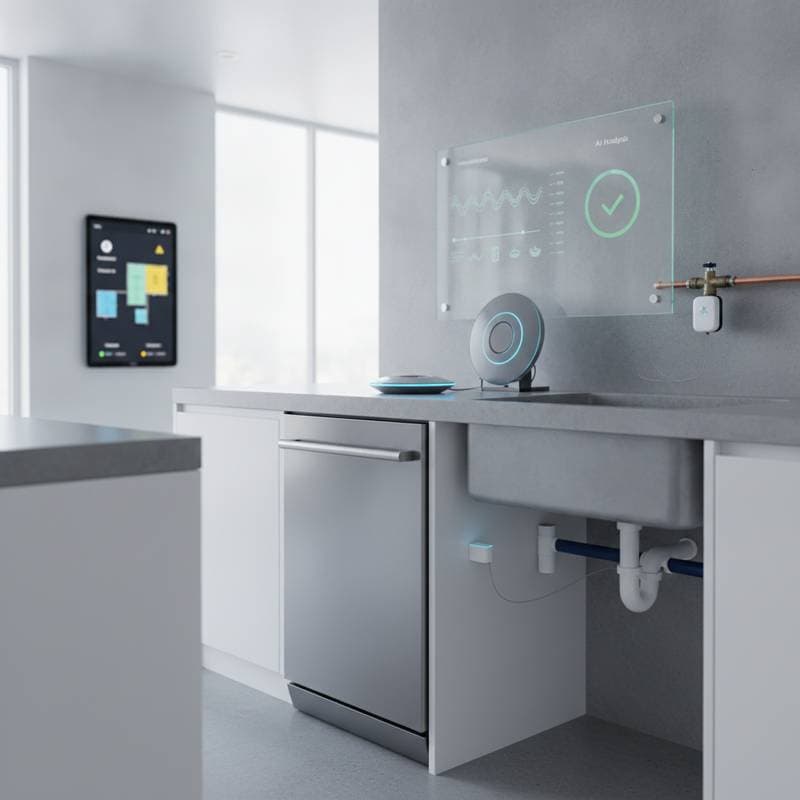
Programmable thermostats adjust temperatures automatically, saving energy during unoccupied hours. Set back by 7 to 10 degrees when away to reduce runtime without sacrificing comfort.
Consider integrating smart controls for remote monitoring via apps. These devices learn habits and optimize cycles, potentially cutting bills by 10 percent in moderate climates.
6. Test Electrical Components
Loose wiring or worn capacitors can cause intermittent failures. Inspect connections for corrosion and tighten as needed. Capacitors store energy for motor startups; test with a multimeter and replace if readings deviate from specs.
In lightning-prone areas, install surge protectors to safeguard against power spikes. Reliable electrics prevent unexpected shutdowns.
Tailoring Prep to Your Climate Zone
Adapt your routine based on location. In dry Southwest regions, focus on dust control and coil drying. Humid Southeast homes benefit from dehumidifier checks and mold prevention.
Colder Northeast springs require defrost cycle verification on heat pumps. Consult local guidelines for zone-specific best practices to maximize relevance.
Long-Term Benefits of Proactive Prep
Investing time in spring maintenance extends equipment life by years and complies with energy standards. Expect lower operational costs and fewer emergency calls. Homeowners report consistent indoor comfort and reduced environmental impact.
Track improvements with utility meter readings before and after. This data validates your efforts and informs future seasons.