2026 Multigenerational Living Addition Cost Breakdown
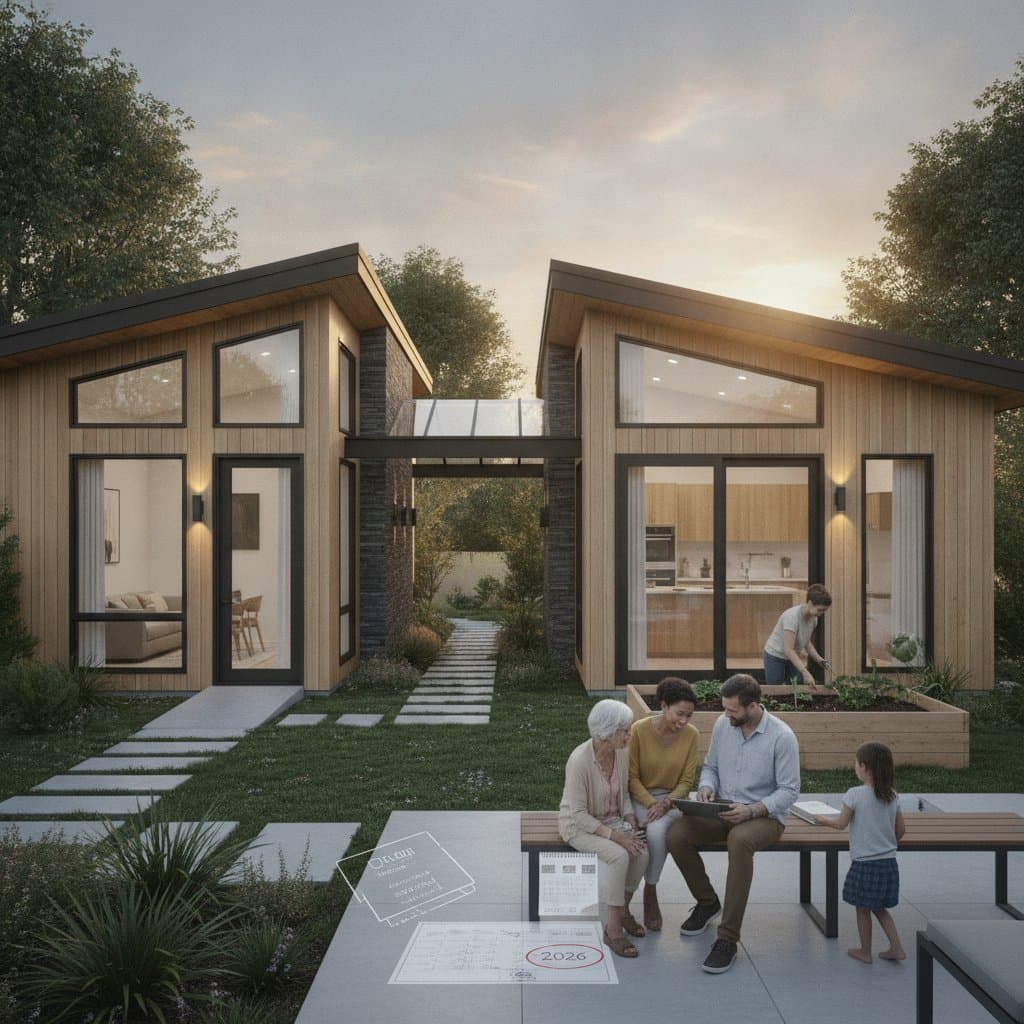
Home renovation projects cost more in 2026 because of labor shortages and higher material prices. For many families, building a multigenerational living addition has shifted from a luxury to a necessity. Whether parents move in, adult children return home, or households simply need space that works for multiple generations, the financial side of this project can surprise those who are unprepared.
Understanding the Real Costs of Multigenerational Additions
Adding a multigenerational space means more than an extra bedroom. The project creates a second living area with its own plumbing, electrical systems, and sometimes a small kitchen. Costs vary widely based on layout, materials, and whether the addition extends outward or upward. The planning phase often reveals the largest financial surprises.
Key Cost Drivers
- Square Footage and Layout: Expect to pay between $250 and $600 per square foot. A 500 square foot addition that includes a bathroom and kitchenette can reach $150,000 before furniture and finishes.
- Foundation and Framing: Ground level additions require new foundations that add $15,000 to $40,000. Second story additions avoid foundation costs but require structural reinforcement.
- Plumbing and Electrical: Adding a full bathroom costs $8,000 to $20,000. Electrical rewiring or panel upgrades add another $3,000 to $7,000.
- Finishes and Fixtures: Cabinets, flooring, and paint range from $15,000 on a budget project to $50,000 when premium materials are selected.
- Permits and Inspections: Local regulations require structural, electrical, and plumbing permits. Budget $2,000 to $6,000 depending on the region.
Smart Decision Framework: DIY or Hire Out
Homeowners who attempt finish work themselves often save money yet extend the project timeline. Multigenerational spaces are complex, and not every task justifies a do it yourself approach.
DIY Friendly Tasks:
- Painting walls and trim
- Installing flooring when prior experience exists
- Landscaping around the new addition
Hire Professionals For:
- Structural framing or roofing
- Electrical and plumbing installation
- HVAC design and ductwork
- Foundation or concrete work
Risk Factor: A poorly executed electrical job can void insurance coverage. Plumbing errors can cause thousands of dollars in water damage. Licensed contractors carry liability insurance and understand local codes, which protects the overall investment.
Regional Price Differences
Costs vary by region. Homeowners in coastal or high demand urban markets often pay 25 to 40 percent more than those in rural areas. Specific ranges include the following:
- West Coast: $300 to $600 per square foot
- Midwest: $220 to $400 per square foot
- South: $200 to $380 per square foot
- Northeast: $250 to $500 per square foot
Labor shortages in some areas can add weeks to the timeline. When interviewing contractors, ask how many concurrent projects they manage and confirm availability for the planned schedule.
Professional Consultation: Building the Right Team
Hiring the right professionals determines whether a build proceeds smoothly or becomes stressful. Begin with an architect or design builder who understands local zoning rules for accessory units. This professional can address setbacks, height restrictions, and utility connections.
Essential Team Members:
- Architect or residential designer
- General contractor
- Licensed electrician and plumber
- HVAC specialist
- Structural engineer when expanding vertically
Always verify licenses and insurance. Request three references from recent clients and ask how the contractor handled unexpected challenges. A transparent builder supplies a detailed contract with clear payment milestones and a defined scope of work.
Protecting Long Term Value
After construction ends, maintenance protects the investment. Schedule annual HVAC servicing, inspect exterior caulking, and monitor moisture near the foundation. When the space will be rented or used for extended family stays, establish clear boundaries around utility use and shared areas to prevent conflicts.
Multigenerational living transforms how a home functions. It keeps families connected while preserving independence. Realistic budgeting, professional guidance, and careful planning turn the addition into a lasting solution that supports changing family needs for decades.