Attic Vents Are Your Home Weakest Fire Defense
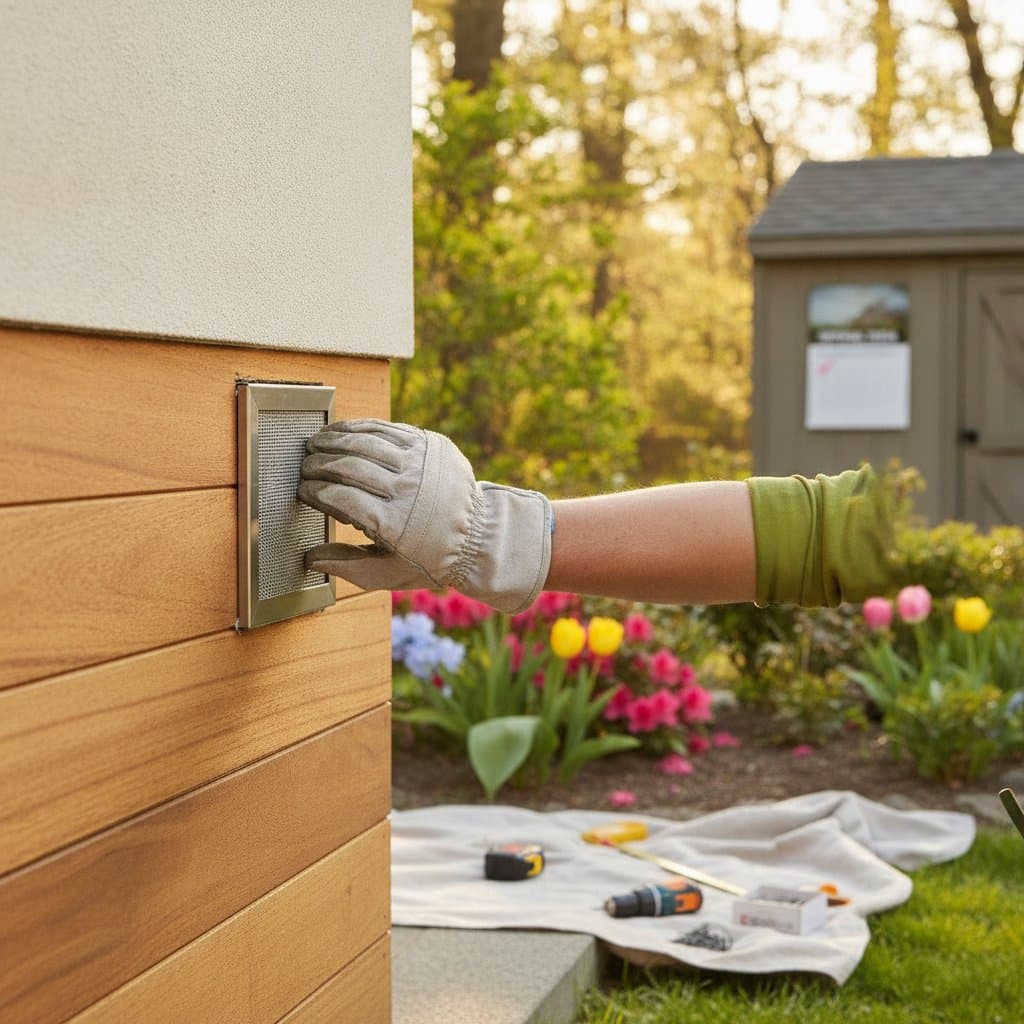
Spring is the ideal time to upgrade attic and foundation vents with ember resistant models that block wildfire embers while maintaining airflow. These upgrades reduce risk and improve safety before fire season begins.
Project Snapshot
- Average Cost: 550 to 1800 dollars for a typical home
- Timeline: 1 to 2 days
- Lifespan: 20 to 30 years
- Best Season: Spring
- DIY Friendly: Partial
Why Spring Is the Right Time to Act
Spring offers suitable weather to inspect attic, crawl space, and foundation vents before fire season begins. Mild temperatures make roof and ladder work safer. Contractors also have more scheduling flexibility before peak summer demand. Acting now helps avoid emergency installations or higher prices when wildfire warnings appear.
Homes built before modern building codes required ember resistant designs often have large mesh openings that allow embers to pass through. Upgrading before the dry months arrive protects the investment and can lower home insurance premiums.
How Ember Resistant Vents Work
Ember resistant vents block burning debris while maintaining airflow. They use fine stainless steel mesh, usually 1/8 inch or smaller, paired with baffles that disrupt air currents carrying embers. Some models feature dual layer screens or honeycomb designs that cool and trap embers before they reach the interior.
Three primary types of ember resistant vents exist.
- Mesh screen vents are budget friendly, easy to retrofit, and effective when kept clean.
- Baffled vents use angled metal plates that block embers while allowing ventilation.
- Combination vents offer both baffled design and fine mesh for maximum protection and airflow balance.
Each type meets Wildland Urban Interface code requirements that govern fire safe construction in high risk regions.
Cost Breakdown by Vent Type and Home Size
| Vent Type | Typical Cost per Unit | Installed Cost (Average Home) | Airflow Rating | Maintenance Need |
|---|---|---|---|---|
| Mesh Screen (Stainless Steel) | 25 to 45 dollars | 550 to 900 dollars | High | Low |
| Baffled Metal Vent | 40 to 70 dollars | 850 to 1300 dollars | Medium | Low |
| Combination / Dual Layer | 60 to 110 dollars | 1000 to 1800 dollars | High | Very Low |
Regional differences affect pricing. Mountain and coastal areas with stricter fire codes often see 10 to 15 percent higher labor costs. Desert regions may require corrosion resistant finishes, adding 100 to 150 dollars to a full set of vents.
What Drives the Total Investment
Several factors influence final cost. The number and size of vents matter because larger attics or crawl spaces need more vents for proper airflow. Roof accessibility plays a role since steep or multi level roofs increase labor time. Old vent removal takes longer when vents are rusted or painted over. Code compliance can add inspection or permit fees, often 50 to 150 dollars.
Expect to invest between 8 and 12 dollars per square foot of vented area when replacing older systems. Homes in regions with high wildfire risk may also need soffit vent upgrades for full compliance.
DIY vs. Professional Installation
DIY installation is possible under certain conditions. Safe roof and ladder access must exist. Basic tools such as a drill, tin snips, and safety goggles are required. Comfort with sealing joints using fire rated caulk is necessary. DIY can save 300 to 700 dollars, but only when fire code spacing is followed and approved vent materials are used. Always double check mesh aperture size before purchase. Openings larger than 1/8 inch will not stop embers effectively.
Hire a professional when the attic requires scaffolding or roof access. Professional help is also advisable when vents tie into a soffit system or stucco siding. Strict inspection requirements in the jurisdiction make professional installation preferable. Licensed contractors charge 60 to 120 dollars per hour, yet they ensure proper fit, sealing, and compliance with local codes. They can also inspect other entry points like gable ends and eaves while on site.
Obtain three free quotes from local contractors before deciding. Comparing estimates clarifies differences in material quality and installation quality.
Money Saving Strategies for Spring Upgrades
Bundle the work with roof maintenance. When cleaning gutters or repairing flashing, ask the contractor to install vents at the same time. Combining jobs cuts travel and labor costs. Buy in multipacks because some manufacturers sell vent kits for entire homes at a discount of up to 20 percent. Use state or utility rebates when available because certain wildfire mitigation programs reimburse homeowners for installing ember resistant vents, particularly in high risk zones. Schedule early because contractors often raise prices during active wildfire season. Booking spring projects avoids seasonal surcharges.
Reduce future maintenance costs by choosing stainless or powder coated aluminum vents that resist corrosion. Fewer replacements occur over time.
Inspection and Maintenance Tips
Ember resistant vents require minimal upkeep, but inspection twice a year remains essential. Use these steps during the spring maintenance routine.
- Vacuum or brush debris to clear leaves or dust from mesh surfaces and maintain airflow.
- Check fasteners to tighten screws and ensure no gaps appear where embers could enter.
- Inspect sealant to replace cracked caulk around vent edges with fire rated sealant.
- Look for corrosion to replace rusted screens immediately because weakened mesh can fail under heat.
- Confirm clearance by keeping vegetation at least 5 feet from vent openings.
Plan one cleaning in spring and another at the end of summer. Each session takes about 30 minutes for a single story home or up to two hours for multi level properties.
Warning Signs That Demand Immediate Action
Ignoring vent damage can compromise the entire fire defense system. Watch for bent or missing screens. Paint flaking that exposes raw metal signals a problem. Rodent nests or debris clogging airflow require attention. Moisture stains on attic rafters near vent openings indicate issues. Schedule repairs right away if any of these problems appear because a small gap or rust spot can allow embers to bypass the first line of defense.
Long Term Protection and ROI
Replacing vents yields both safety and financial benefits. Ember resistant vents can cut ignition likelihood by up to 90 percent. Some insurers offer 5 to 10 percent discounts for wildfire hardening improvements. Better airflow reduces heat buildup and moisture, preventing premature shingle failure. Cleaner ventilation keeps dust and allergens out of the attic.
Although vent replacement may not directly raise resale price, buyers in wildfire prone regions value visible safety upgrades. A well sealed attic often becomes a selling point during home inspections.
Coordinating Vent Upgrades With Broader Wildfire Defenses
Treat ember resistant vents as part of a larger protection strategy. Combine them with noncombustible roofing materials like metal or concrete tile. Add defensible space landscaping by keeping vegetation trimmed and removing debris. Install spark arrestors on chimneys to block ember ejection. Add metal gutter guards that prevent leaf buildup.
A layered approach ensures that if embers bypass one barrier, another stops them before they ignite the home. Many fire departments recommend this zone defense method for maximum resilience.
Taking Action This Spring
Start the spring home inspection by walking the perimeter of the house. Count the vents and note their condition. Photograph each one to compare quotes accurately. Check for labeling that identifies mesh size or fire rating. Assume vents need replacement if labels are missing.
Once an inventory exists, set a budget range based on vent type and number of replacements. Request quotes from at least three licensed contractors. Schedule installation before dry winds and heat arrive. Keep documentation for insurance and code compliance records.
Maintaining the Investment
Vigilance each spring secures more than property. It protects family safety, preserves home equity, and provides peace of mind when wildfire alerts appear.