Key Takeaways
- Medicare covers grab bars only when a physician deems them medically necessary, with approval processes varying by plan.
- Strategic placement in bathrooms enhances stability and reduces fall risks in high-hazard zones such as showers and bathtubs.
- Professional installation ensures durability, while understanding plan benefits maximizes financial support for these safety features.
Medicare Coverage for Grab Bars
Original Medicare provides limited direct coverage for grab bars, classifying them as home modifications rather than durable medical equipment. Medicare Advantage plans, however, often include provisions for such items under preventive care or home safety benefits. Coverage hinges on medical necessity and plan specifics.
Coverage Under Original Medicare
Medicare Part A covers inpatient hospital stays, while Part B addresses outpatient services and durable medical equipment like walkers or oxygen supplies. Grab bars fall outside this category because they attach to the home structure. Beneficiaries typically pay out of pocket unless a related medical condition qualifies for broader support.
Physicians can prescribe grab bars as part of a treatment plan for conditions such as arthritis, balance disorders, or post-surgical recovery. Even then, reimbursement requires navigating supplemental insurance or state programs. Consult your Medicare summary notice to identify any indirect coverage through therapy services.
Benefits Through Medicare Advantage
Medicare Advantage plans frequently extend beyond basic coverage with extras like over-the-counter allowances or home modification stipends. Providers such as UnitedHealthcare or Humana may reimburse up to several hundred dollars for grab bars if they prevent hospitalizations. Review your plan's evidence of coverage document for exact terms.
To access these benefits, obtain a prescription outlining the medical need, such as fall prevention for osteoporosis patients. Some plans partner with vendors for pre-approved installations, streamlining the process. Contact your plan administrator early to verify eligibility and avoid unexpected denials.
Steps to Secure Coverage
Follow these steps to pursue reimbursement:
- Schedule a consultation with your primary care physician to discuss mobility concerns and request a formal prescription.
- Contact your Medicare Advantage provider to confirm if grab bars qualify under home safety benefits.
- Select a licensed contractor or supplier from the plan's network, if applicable, and retain all invoices.
- Submit the prescription, proof of installation, and receipts via the plan's claims portal or mail.
Processing times vary from two to six weeks. Track your claim status online to ensure timely resolution. If denied, appeal with additional medical documentation.
Selecting Grab Bars for Contemporary Bathrooms
Contemporary grab bars prioritize both functionality and visual harmony, available in materials that resist corrosion and complement modern aesthetics. Options range from minimalist lines to multifunctional designs that integrate seamlessly. Focus on load-bearing capacity rated at least 250 pounds for reliable support.
Material and Finish Choices
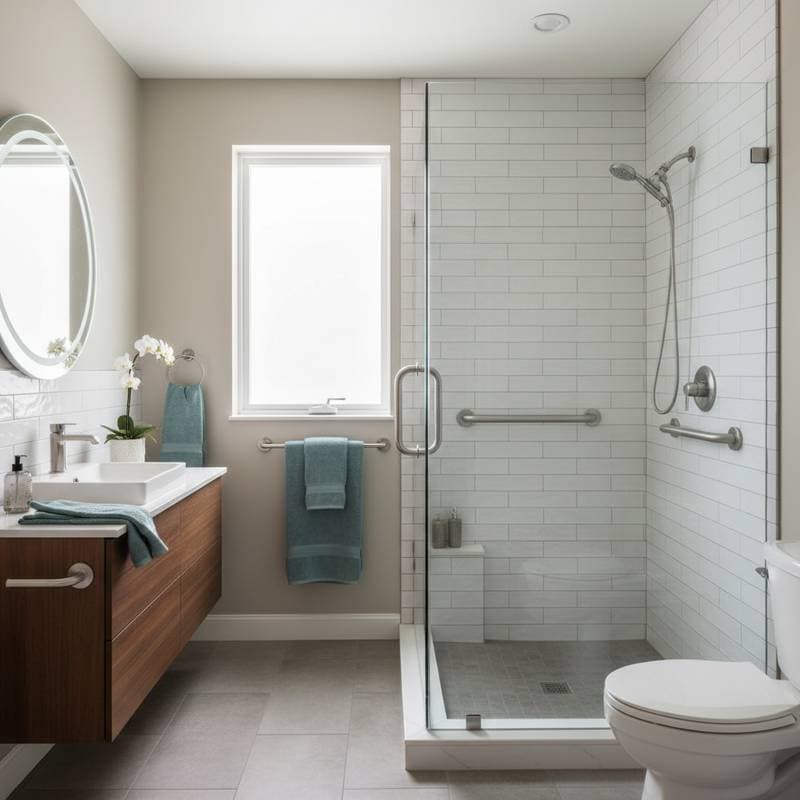
Opt for stainless steel or powder-coated aluminum to withstand humidity without rusting. Matte black finishes add drama to white subway tile walls, while oil-rubbed bronze warms neutral palettes. Brushed nickel provides a versatile sheen that pairs with chrome faucets and glass shower enclosures.
For added utility, choose bars with integrated LED lighting or antimicrobial coatings. These features enhance usability in low-light conditions or for hygiene-focused households. Measure your space precisely to ensure the bar length suits the installation area without overcrowding.
Placement for Style and Safety
Position a vertical bar next to the toilet at 33 to 36 inches above the floor for seated transfers. Horizontal bars beside the shower should span 30 to 36 inches at chest height for entry support. Diagonal models in tub-shower combos offer versatile gripping angles.
Incorporate bars into floating vanities or wall-mounted shelves for a cohesive look. Test prototypes in your space to confirm ergonomic fit. This approach maintains an open, inviting atmosphere while prioritizing accessibility.
Safe Installation Practices
Anchor grab bars into wall studs using corrosion-resistant hardware to support dynamic loads during use. Avoid surface mounting on drywall alone, as it compromises stability. Certified installers use torque wrenches to achieve secure fastening without wall damage.
Assessing DIY Feasibility
DIY suits straightforward projects on accessible walls with standard stud spacing. Gather tools including a stud finder, level, drill, and lag screws rated for 300 pounds. Practice on scrap wood to refine technique before committing to your bathroom.
Hire professionals for complex surfaces like marble or acrylic surrounds, where specialized bits prevent cracks. They also provide warranties and compliance certificates useful for insurance claims. Budget 200 to 500 dollars for expert service, depending on scope.
Detailed Installation Process
- Identify studs with an electronic finder, marking centers at desired heights.
- Position the bar template against the wall, ensuring it aligns with entry points and clearances.
- Pre-drill holes to avoid splitting, inserting toggle bolts or molly anchors in non-stud areas.
- Attach the bar with provided flanges, tightening screws evenly to 20 inch-pounds of torque.
- Apply clear silicone sealant around bases to block water intrusion and maintain adhesion.
Inspect the installation by applying gradual pressure in multiple directions. Re-secure any loose components immediately. Annual checks prevent wear from moisture exposure.
Portable and Temporary Solutions
Suction-cup grab bars attach to smooth surfaces like tile without permanent alterations, ideal for apartments or trials. Tension-pole units span from floor to ceiling for freestanding support in showers. Limit use to 100-pound capacities and refresh suction daily.
These options suit short-term needs, such as post-injury rehabilitation or guest accommodations. Combine with adhesive hooks for lightweight aids like grabber tools. Transition to permanent fixtures for ongoing reliability.
Addressing Frequent Concerns
Reimbursement After Purchase
Post-installation claims succeed only with prior plan approval and complete documentation. Assemble a packet including the physician's letter, vendor quotes, and photos of the setup. Follow up weekly if processing exceeds plan timelines.
Drill-Free Alternatives
Clamp-on models secure to existing fixtures like towel rods, offering quick setup. Freestanding shower chairs with side bars provide comprehensive aid without modifications. Evaluate surface compatibility to ensure grip integrity.
Maintenance and Longevity
Inspect quarterly for corrosion or play in joints, lubricating pivots as needed. Repaint chipped areas with matching epoxy for protection. Expect 10 to 15 years of service from premium models under normal use.
Tile Preservation Techniques
Use carbide-tipped masonry bits at low speeds to penetrate without fracturing. Apply painter's tape over drill sites to minimize chipping. Professionals employ wet-cutting methods to cool and control dust.
Coordinating with Interior Design
Browse manufacturer lines like Moen or Kohler for matching hardware sets. Sample finishes under your bathroom lighting to assess true tones. Custom powder-coating services adapt bars to unique color schemes.
Enhancing Bathroom Accessibility
Integrate grab bars with slip-resistant flooring and adjustable-height fixtures for comprehensive safety. These upgrades support independent living, reducing reliance on assistance for daily routines. Consult occupational therapists for personalized assessments.
Explore plan portals for additional perks like grab bar kits or installation vouchers. Proactive modifications preserve mobility and quality of life across seasons. Your bathroom becomes a reliable sanctuary tailored to evolving needs.
Sustaining Independence Through Design
Grab bars subtly reinforce confidence in familiar spaces, enabling unassisted navigation. As routines adapt, these elements evolve from aids to integral features. Invest in quality to ensure enduring support and aesthetic appeal.