Medicare Grab Bars: Coverage Now Includes Installation
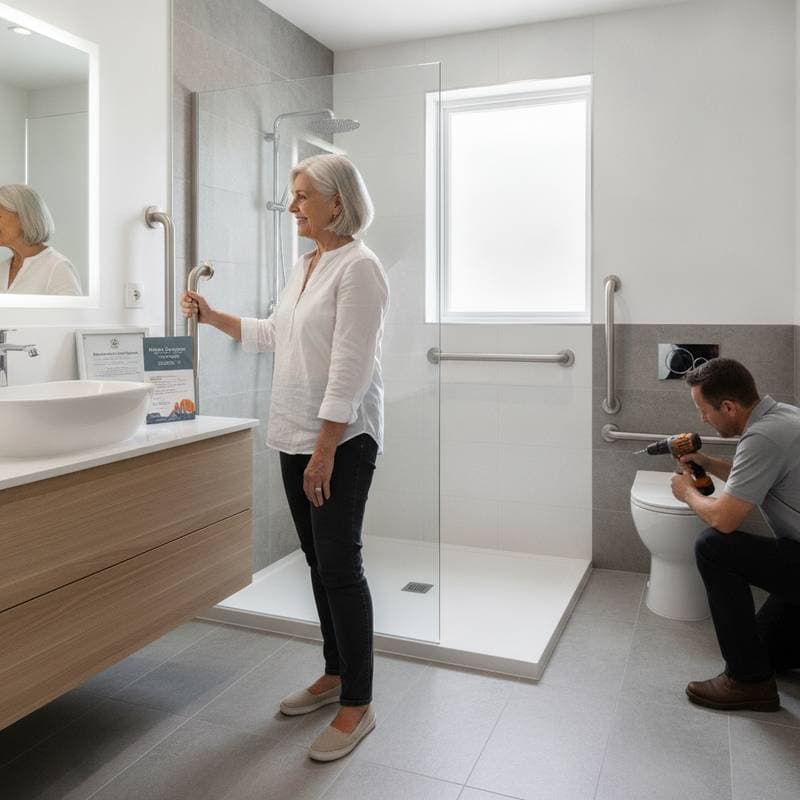
Homeowners who have remodeled bathrooms for aging family members understand how grab bars transform daily safety. Medicare coverage has expanded to include both the bars and professional installation. This update reduces the stress of coordinating bathroom upgrades.
Medicare previously classified grab bars as convenience items. Updated accessibility guidelines now allow coverage when a qualified provider issues a prescription. Families can address one of the leading fall prevention needs through their existing insurance plan.
Impact on Household Safety
Bathrooms present unique risks due to smooth surfaces and frequent moisture. A single slip can erode confidence in balance. Grab bars restore a sense of security during routine tasks.
The coverage change addresses the primary obstacle of cost. Professional installation fees typically range from 150 to 400 dollars based on wall conditions and the number of units. Full coverage allows homeowners to complete projects without compromising on quality or placement.
Current Pricing Details
Material choice, wall construction, and regional labor rates determine final expenses. Consider these typical figures:
- Basic stainless steel grab bar: 30 to 60 dollars each
- Textured or decorative bar: 50 to 120 dollars each
- Custom angled or folding bar: 150 to 300 dollars each
- Professional installation: 120 to 250 dollars per bar
- Average project total: 200 to 600 dollars for two or three bars
Higher costs appear in areas with elevated demand or when tile and stone require specialized drilling. Medicare coverage generally reduces out of pocket expenses to about 20 percent of the approved amount after the deductible. Many projects result in payments under 100 dollars.
Supply and Scheduling Factors
Stainless steel and textured models remain widely available. Custom finishes may require additional lead time. Plan installations at least two weeks after approval to accommodate ordering and contractor availability. Spring and early fall often see increased demand for accessibility work.
Specialist Involvement
An occupational therapist evaluation helps when mobility needs extend beyond basic support. The assessment identifies optimal bar placement along with related modifications such as shower seats. Medicare may cover this evaluation as part of a functional review.
Licensed accessibility contractors frequently work directly with medical providers. Coordination improves paperwork accuracy and ensures each bar aligns with individual movement patterns.
Installation Considerations
Even experienced crews encounter occasional obstacles. Review these common situations:
- Hidden plumbing or wiring requires a stud finder with live wire detection before any drilling begins.
- Hollow walls benefit from rated mounting systems when studs do not match ideal locations.
- Tile surfaces need pre drilling with a diamond bit at low pressure to avoid cracks.
- All screw holes should receive silicone caulk to block moisture intrusion.
Medicare approved installers receive training on these techniques. Discuss specific methods during the initial consultation.
Ongoing Care
Inspect each bar twice yearly by applying pressure from multiple angles. Tighten hardware at the first sign of movement. Clean surfaces with mild soap and water. Stainless steel benefits from occasional polishing with a microfiber cloth. Medicare covers replacements only when medically necessary, making routine checks the most effective approach.
Next Steps for Homeowners
Begin with a discussion with a healthcare provider about balance or mobility concerns. Request a written prescription for grab bar installation. Contact a Medicare approved contractor to verify coverage details and select appropriate hardware.
The full process from prescription to completed work usually spans two to four weeks. Once the bars are in place, practice using them during everyday activities. Homeowners planning larger renovations can incorporate reinforcement during wall opening phases for a more integrated appearance.