Introduction to Smart Kitchen Investments
Homeowners face unique challenges in 2025, with material prices climbing and buyer expectations evolving. A well-planned kitchen renovation can distinguish a property in a competitive market. Focus on upgrades that balance cost, functionality, and aesthetic appeal to secure the best possible return on investment.
This guide outlines key improvements, their costs, and expected returns. Each recommendation draws from current trends and proven strategies. By selecting timeless elements, homeowners position their kitchens for broad appeal among diverse buyers.
1. Cabinet Refacing for Timeless Appeal
Cabinet refacing transforms outdated cabinetry without the expense of full replacement. This approach involves updating doors, veneers, and hardware while retaining the existing structure. It provides a fresh look that resonates with buyers seeking modern yet familiar designs.
Cost range: $4,000 to $8,000 for a standard kitchen.
ROI potential: 80% to 90%.
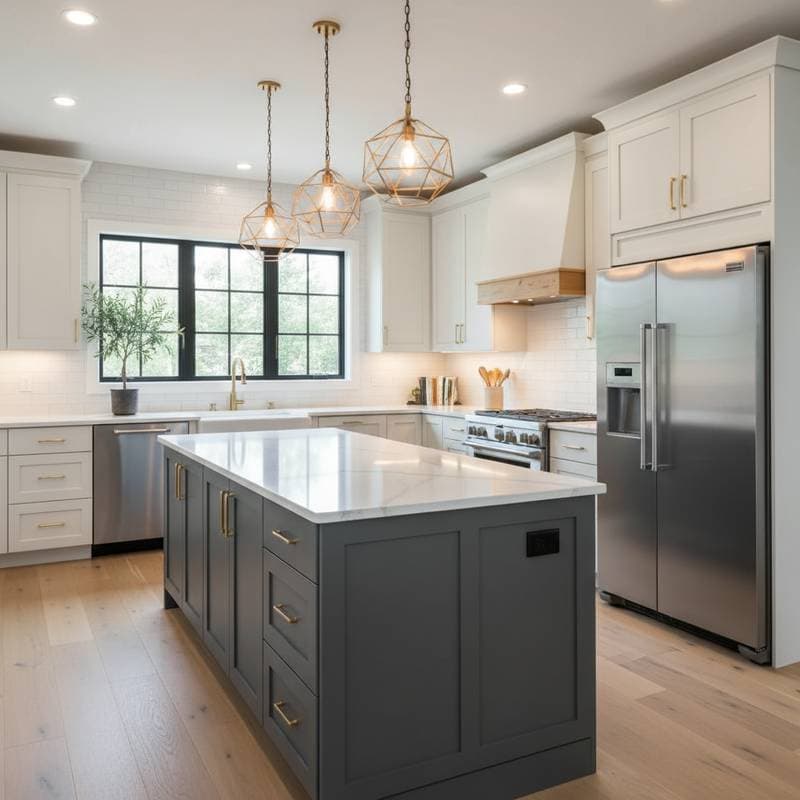
Opt for neutral finishes like shaker-style doors in white or soft gray. These choices endure changing styles and appeal to a wide audience. Professionals recommend pairing refacing with new hardware, such as matte black pulls, to elevate the overall impression.
Homeowners report that refaced cabinets create an illusion of a complete overhaul. This upgrade often ranks highest in buyer surveys for perceived value. Calculate potential savings by comparing refacing quotes against full replacement estimates.
2. Quartz Countertops That Endure Daily Use
Quartz countertops offer durability and low maintenance, making them a top choice for busy households. Engineered from crushed stone and resin, these surfaces resist stains, scratches, and heat better than many natural options. Their versatility in color and pattern allows seamless integration with various cabinet styles.
Cost range: $5,000 to $10,000, depending on size and edge treatments.
ROI potential: 75% to 85%.
Select quartz with subtle veining to mimic marble without the upkeep. Avoid bold, custom patterns that may limit buyer interest. Installation requires precise measurement; hire certified fabricators to ensure a flawless fit.
In resale scenarios, quartz signals quality construction. Buyers appreciate the non-porous nature, which simplifies cleaning and supports hygienic kitchens. This investment pays dividends through reduced future repairs and heightened marketability.
3. Layered Lighting for Functional Elegance
Effective lighting elevates a kitchen from basic to inviting. Layered systems combine ambient, task, and accent lights to serve multiple purposes, from meal preparation to social gatherings. This setup enhances usability while adding warmth and depth to the space.
Cost range: $1,500 to $4,000, including fixtures and installation.
ROI potential: 65% to 75%.
Incorporate under-cabinet LEDs for precise task illumination, pendant lights over islands for focal points, and recessed cans for general coverage. Dimmable options allow customization to suit different moods and times of day. Energy-efficient bulbs further amplify long-term savings.
Well-lit kitchens appear larger and more modern. Buyers often prioritize this feature in open-concept homes. Consult an electrician to integrate smart controls, which provide convenience and appeal to tech-savvy purchasers.
4. Energy-Efficient Appliances That Attract Savvy Buyers
Energy efficiency stands as a standard expectation among contemporary buyers. Lenders factor it into appraisals, recognizing its impact on property value and ongoing costs. Selecting certified models demonstrates forward-thinking design.
Cost range: $5,000 to $12,000 for a complete suite.
ROI potential: 70% to 85%, alongside reduced utility expenses.
Prioritize Energy Star-rated units with stainless steel exteriors and intuitive smart features. Induction cooktops offer precise heating, while integrated air fryers add versatility. For luxury segments, consider professional-grade ranges that convey premium quality.
Rising energy prices make these appliances a compelling sales feature. They can lower monthly bills by up to 25 percent. Highlight certifications and efficiency ratings when staging the home to underscore practical benefits.
5. Updated Flooring for Lasting Durability
Flooring serves as the kitchen's foundation, influencing both aesthetics and functionality. Durable materials withstand spills, traffic, and wear, ensuring the space remains appealing over time. Upgrading to modern options refreshes the entire room without extensive disruption.
Cost range: $4,000 to $7,000 for typical installations.
ROI potential: 70% to 80%.
Luxury vinyl plank or porcelain tile in wood-look patterns provide the warmth of hardwood with superior resilience. These choices resist moisture and are easier to maintain than traditional wood. Select large-format tiles to minimize grout lines and simplify cleaning.
Buyers value flooring that supports active lifestyles. Neutral tones expand design flexibility for future owners. Professional installation prevents common issues like uneven surfaces, preserving the upgrade's value.
6. Backsplashes That Enhance Visual Cohesion
A backsplash upgrade introduces style and personality at a modest investment. It protects walls from splashes while serving as a design anchor that unifies countertops and cabinets. Thoughtful selection creates a polished, updated appearance.
Cost range: $1,000 to $3,500.
ROI potential: 60% to 70%.
Classic subway tile endures as a reliable option, but explore oversized formats or subtle textures for contemporary flair. Steer clear of intricate, trend-driven designs that risk quick obsolescence. Glass or metallic accents can add subtle shine without overwhelming the palette.
Simpler backsplashes broaden buyer appeal in diverse markets. They signal intentional updates without personalization pitfalls. Measure the area accurately and test samples under kitchen lighting to confirm harmony with existing elements.
Deciding Between DIY and Professional Help
Assess project scope to determine the best approach for kitchen upgrades. Certain tasks suit skilled homeowners, while others demand expert intervention to meet codes and ensure safety. This distinction safeguards quality and avoids costly errors.
Suitable for DIY:
- Painting or refacing cabinet doors
- Installing backsplash tile
- Updating hardware on cabinets and fixtures
Require professionals:
- Rewiring for new lighting circuits
- Relocating plumbing lines
- Setting up gas appliances
Unpermitted modifications pose risks during home sales. Verify contractor credentials, including licenses and insurance. Obtain necessary permits to protect the investment and facilitate smooth transactions.
Allocating Your Renovation Budget
Effective budgeting directs funds toward high-impact areas. The following breakdown applies to a mid-range project, adjustable for scale. Prioritize visible and functional elements to optimize returns.
| Upgrade Type | Average Cost | Portion of Budget | Typical ROI |
|---|---|---|---|
| Cabinets & Hardware | $15,000 | 35% | 80% |
| Countertops | $7,000 | 20% | 75% |
| Appliances | $9,000 | 25% | 80% |
| Flooring | $5,000 | 12% | 70% |
| Lighting & Fixtures | $2,500 | 8% | 65% |
High-end endeavors may exceed these amounts, but targeted updates yield comparable benefits. Focus on efficiency and surface enhancements for budget-conscious plans.
Executing Your Kitchen Renovation Plan
Begin with core upgrades like cabinets, countertops, and appliances to build a solid base. Layer in lighting, flooring, and backsplashes to refine the design and functionality. This sequence minimizes disruptions and allows progressive evaluation.
Secure multiple quotes from reputable contractors early in the process. Source materials ahead to mitigate supply delays. Maintain flexibility in selections to counter price fluctuations.
A strategic remodel transforms challenges into opportunities. It positions the home competitively, drawing committed buyers and securing enduring value. Proceed with confidence, knowing these steps lead to a kitchen that enhances both living and selling potential.