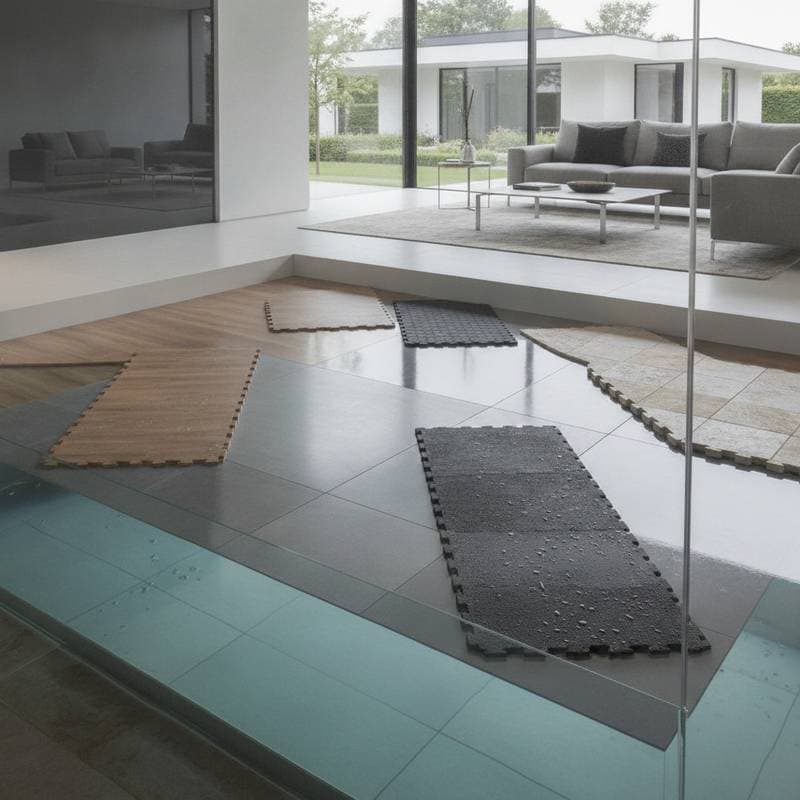
2026 Flood-Proof Flooring Options That Reduce Insurance Premiums
Homeowners often invest significant effort in renovations, only to face unexpected heavy rains that allow water to infiltrate floors. Such incidents lead to swollen materials, extensive repairs, and prolonged interactions with insurance providers. Beyond the immediate damage, flood risks influence insurance premiums across many regions. Fortunately, advancements in flooring technology offer effective solutions. Selecting flood-proof materials protects properties and qualifies owners for lower insurance rates.
Project Overview
Average Cost: $5,000 to $18,000
Timeline: 1 to 3 weeks
Lifespan: 20 to 50 years
Best Season: Spring or summer
DIY Friendly: Partially
Permits: Typically not required for flooring replacement, unless structural modifications occur
Cost Breakdown by Material and Labor
Flood-proof flooring costs differ based on material selection, installation techniques, and local labor rates. The following breakdown reflects current market conditions and provides a foundation for budgeting.
1. Luxury Vinyl Plank (LVP)
- Material Cost: $2.50 to $5.00 per square foot
- Labor: $2 to $4 per square foot
- Pros: Fully waterproof, simple to maintain, mimics wood or stone appearances
- Cons: May fade with prolonged direct sunlight exposure
Luxury vinyl plank serves as a reliable choice for basements and ground-level areas. Its interlocking design prevents swelling from moisture and allows for individual plank replacement if damage occurs. Homeowners appreciate its versatility in design while benefiting from straightforward installation.
2. Ceramic or Porcelain Tile
- Material Cost: $3 to $8 per square foot
- Labor: $5 to $10 per square foot
- Pros: Impermeable to water, highly durable
- Cons: Grout requires periodic sealing, surface remains cool to the touch
Ceramic and porcelain tiles endure in areas prone to flooding. Although installation costs exceed those of vinyl, these materials resist water damage effectively. Incorporating underfloor heating systems addresses comfort concerns and enhances usability.
3. Sealed Concrete
- Material Cost: $2 to $6 per square foot
- Labor: $3 to $5 per square foot
- Pros: Resistant to water penetration, contemporary look, minimal upkeep
- Cons: Firm surface, potential for cracks without proper sealing
Sealed concrete proves ideal for basements recovering from water exposure. This option withstands heavy use and simplifies post-flood cleanup. Applying an epoxy finish elevates its appearance and adds a layer of protection.
4. Engineered Stone Composite
- Material Cost: $4 to $9 per square foot
- Labor: $3 to $6 per square foot
- Pros: Non-porous, resistant to scratches, diverse aesthetic options
- Cons: Increased weight, possible need for subfloor reinforcement
Engineered stone composites emerge as a modern alternative to traditional tiles. They match tile-level water resistance while providing a more comfortable texture. Design variety allows integration with various interior styles.
Timing and Supply Considerations
Optimal installation occurs during dry periods with moderate humidity, such as spring or summer. These conditions minimize issues with adhesives and ensure proper material curing. Availability of imported tiles and specialty coatings can vary, so place orders in advance to prevent project delays.
Tile and composite prices remain higher due to supply chain factors, whereas vinyl offers more predictable budgeting. For comprehensive remodels, position flooring installation toward the project's conclusion to protect surfaces from construction-related wear. Early planning aligns timelines with seasonal advantages.
Safety and Compliance Essentials
While waterproof flooring installations rarely demand permits, adherence to safety standards remains crucial. Address the following aspects to ensure long-term integrity:
- Subfloor Assessment: Inspect for rot or mold prior to new surface application. Replace compromised areas to avoid future complications.
- Electrical Precautions: Engage a licensed electrician if prior water exposure affected wiring or outlets.
- Moisture Protection: Install vapor barriers in below-grade spaces. This prevents moisture accumulation and mold growth.
- Slip Prevention: Select textured surfaces for high-traffic zones like bathrooms and entrances.
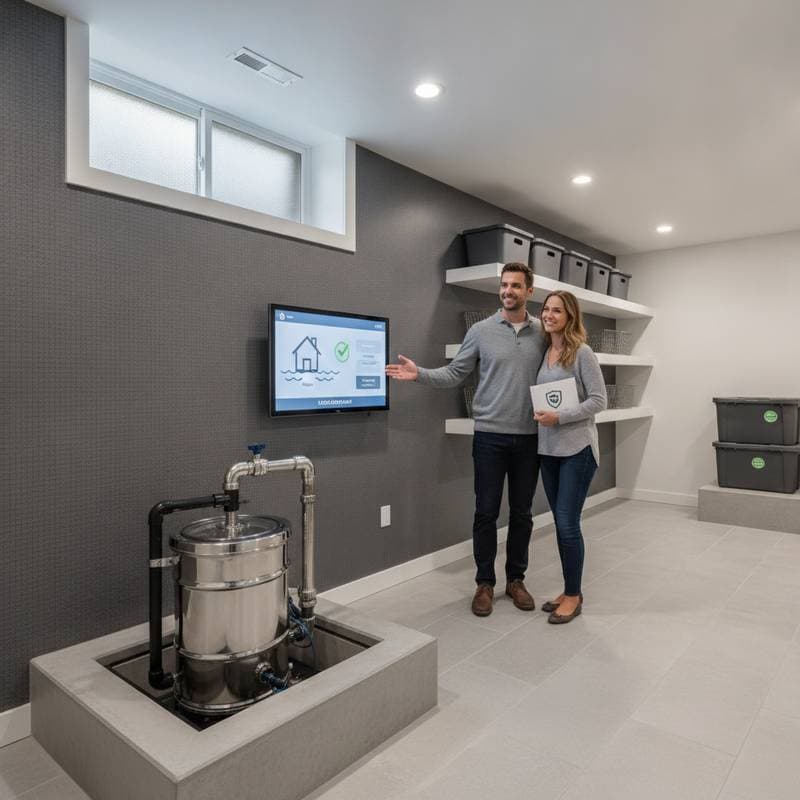
Enhance protection in basements with sump pumps or floor drains. Insurers recognize these additions as proactive measures, potentially increasing eligibility for premium reductions.
Steps to Implement Flood-Proof Upgrades
Begin by evaluating rooms most susceptible to water intrusion, such as basements or ground floors. Obtain detailed quotes from at least two certified contractors experienced in waterproof applications. Insist on breakdowns separating materials from labor for accurate comparisons.
After choosing a material, contact your insurance provider prior to starting work. Certain policies mandate pre-approval for discounts related to risk reduction. Maintain records of all transactions, including receipts and photographic evidence of the installation.
Transitioning to flood-resistant flooring delivers practical benefits, from storm preparedness to financial relief through reduced premiums. This upgrade safeguards investments without compromising style or functionality.
Securing Long-Term Benefits
Flood-proof flooring stands as a strategic enhancement for any home. It minimizes repair expenses, elevates daily living standards, and demonstrates commitment to risk management for insurers. Select from vinyl, tile, concrete, or composites based on specific needs, and enjoy sustained protection and value.