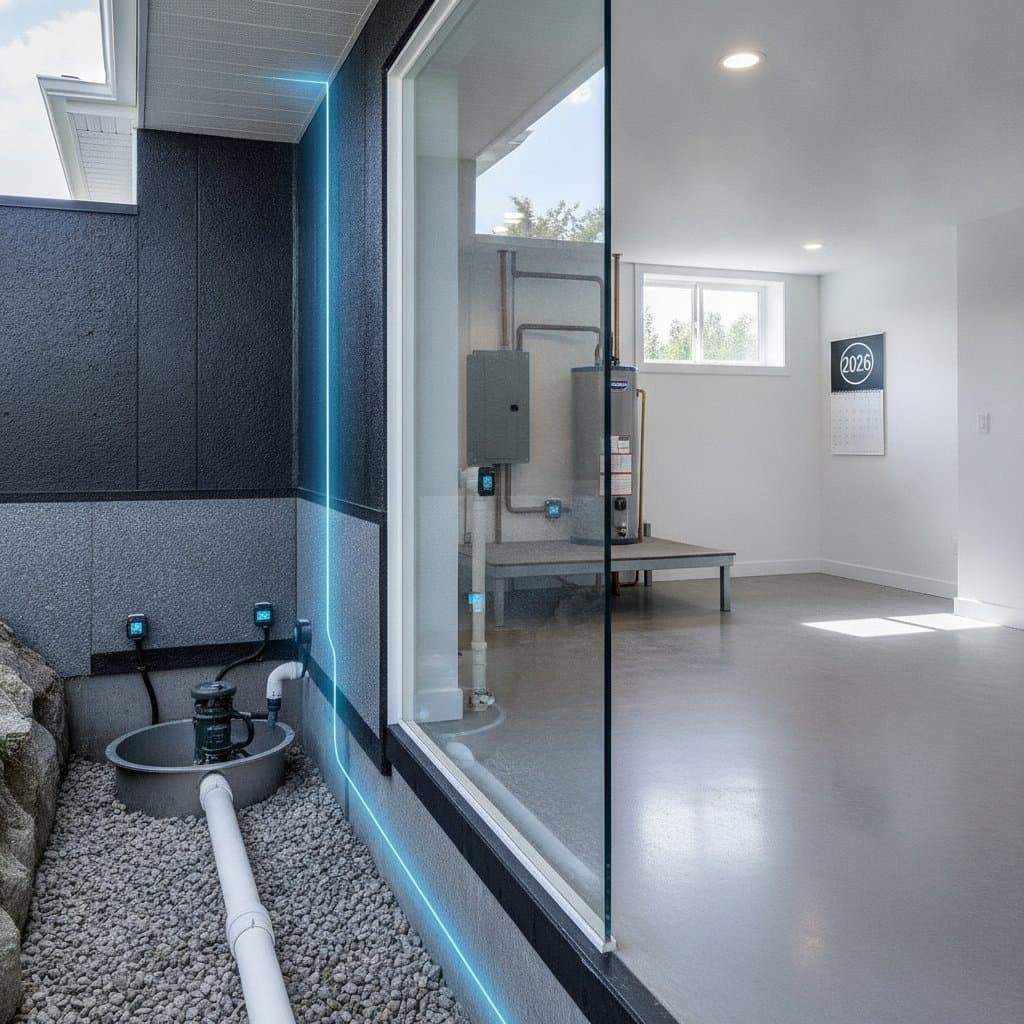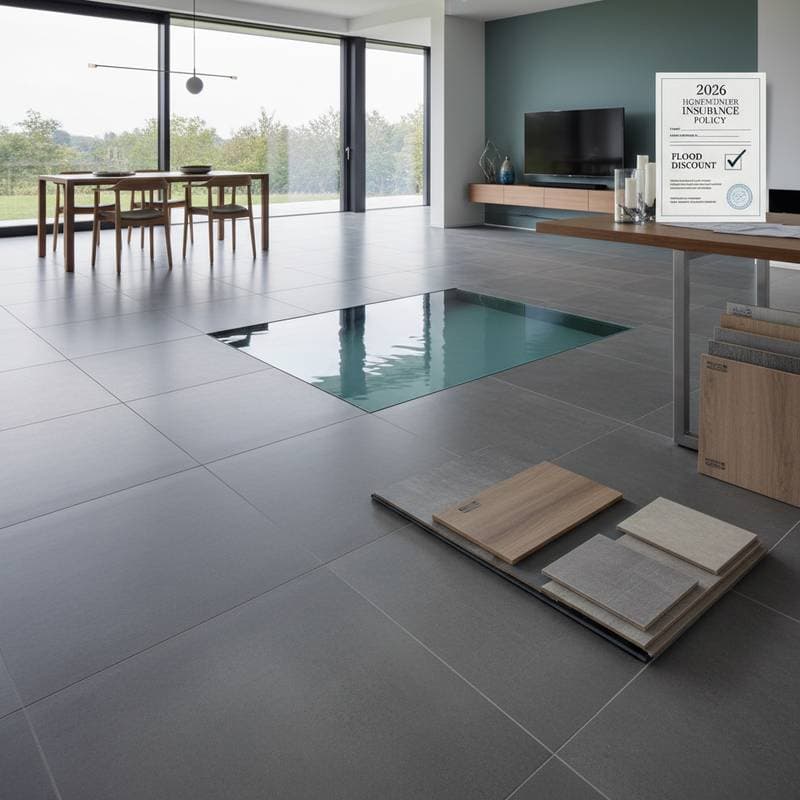
Key Takeaways
- Flood-proof flooring materials reduce water damage risk and often lead to lower home insurance premiums.
- Leading options include luxury vinyl plank, porcelain tile, polished concrete, and waterproof engineered products.
- Professional installation, thorough documentation, and ongoing maintenance qualify homeowners for insurance discounts.
Does Flood-Proof Flooring Lower Insurance Costs?
Flood-proof flooring can indeed reduce insurance rates. Insurance providers assess a home's risk based on construction materials, elevation, and location within flood zones. By selecting flooring that withstands water exposure, homeowners show commitment to risk management, which frequently results in premium reductions or policy credits.
Properties equipped with flood-resistant features require fewer and less expensive repairs following water events. Insurance companies recognize this advantage and offer incentives accordingly. Although the exact savings depend on individual circumstances, many homeowners experience reliable decreases that accumulate over years. Beyond financial benefits, such flooring minimizes the expenses and disruptions associated with post-flood replacements and cleanups.
Key Benefits
- Insurance Advantages: Decreased claim potential leads to premium reductions.
- Durability Features: Options like tile and vinyl prevent water absorption effectively.
- Extended Service Life: These floors outlast traditional wood or laminate varieties.
- Aesthetic Variety: Designs encompass natural textures and neutral tones suitable for contemporary interiors.
Top Flood-Resistant Flooring Materials
1. Luxury Vinyl Plank (LVP)
Luxury vinyl plank stands out as a practical and budget-friendly choice for flood resistance.
This material consists of plastic composites engineered to avoid swelling or warping. It replicates the appearance of hardwood or stone while providing a fully waterproof surface. Advanced versions incorporate click-lock mechanisms that form secure seams to block water infiltration.
Advantages:
- Waterproof throughout the surface and core layers
- Simple to clean following water exposure
- Diverse finishes, ranging from rustic oak to modern concrete looks
Disadvantages:
- Moisture in the subfloor may cause problems if sealing proves inadequate
- Floodwater carrying sharp particles can scratch the surface
Installation Cost: Approximately 3 to 7 dollars per square foot.
2. Porcelain or Ceramic Tile
Porcelain and ceramic tiles serve as reliable selections for moisture-heavy environments and flood-vulnerable regions.
These tiles derive their water resistance from dense, non-porous structures. Combined with waterproof grout and supportive underlayment, they form highly protective barriers. Homeowners frequently install them in basements, entry areas, and properties near water bodies such as coastlines.
Advantages:
- Non-porous quality facilitates easy sanitization
- Lifespan extends over several decades
- Extensive style options, including imitations of wood and stone
Disadvantages:
- Feels cold without added heating systems like radiant floors
- Demands significant labor during installation
Installation Cost: Approximately 5 to 15 dollars per square foot.
3. Polished Concrete
Concrete floors demonstrate remarkable resilience during flood events.
Sealed concrete repels water absorption and, with appropriate finishing, resists mold and mildew development. Homeowners appreciate its clean, low-effort appeal in contemporary settings.
Advantages:
- Exceptional durability against impacts and wear
- Customizable through tinting or polishing for refined appearances
- Inherent resistance to mold and bacterial proliferation
Disadvantages:
- Uncomfortably hard for prolonged standing
- Needs periodic resealing to sustain waterproof properties
Installation Cost: Approximately 4 to 10 dollars per square foot, varying by finish level.
4. Waterproof Engineered Flooring
These innovative products merge wood-like warmth with robust synthetic foundations.
Featuring cores of stone-plastic or wood-plastic composites, they endure brief submersion without swelling. Such flooring suits high-traffic areas like living rooms and bedrooms, where visual appeal plays a key role.
Advantages:
- Provides a warmer aesthetic compared to tile or concrete
- Manages light flooding with minimal impact
- Includes built-in padding for enhanced comfort in many cases
Disadvantages:
- Higher price point than basic laminate alternatives
- Effectiveness diminishes with faulty installation practices
Installation Cost: Approximately 6 to 12 dollars per square foot.
Material Comparison
| Flooring Type | Waterproof Level | Maintenance | Lifespan | Average Cost (Installed) |
|---|---|---|---|---|
| Luxury Vinyl Plank | High | Low | 15–25 years | $3–$7 |
| Porcelain Tile | Very High | Low | 30+ years | $5–$15 |
| Polished Concrete | Very High | Very Low | 40+ years | $4–$10 |
| Waterproof Engineered | Moderate–High | Moderate | 20–30 years | $6–$12 |
How Insurance Providers Assess Flood-Proof Flooring
Insurance companies examine the extent to which a flooring material diminishes damage probability and repair expenses. Non-absorbent, stable options significantly lower claim costs.
Providers often categorize such flooring as mitigation enhancements, comparable to impact-resistant windows or reinforced roofing. These modifications unlock discounts or credits under standard policies.
Homeowners typically need to fulfill these requirements for eligibility:
- Submit comprehensive records, including receipts and contractor statements.
- Present evidence that materials adhere to waterproof or flood-resistant specifications.
- Supply photographs capturing pre- and post-installation conditions.
- Perform regular upkeep to sustain the flooring's defensive attributes.
Discount magnitudes hinge on policy details and regional flood assessments, yet these upgrades also boost property marketability.
Evaluating the Investment in Flood-Proof Flooring
In numerous scenarios, flood-proof flooring recoups its initial expense through long-term gains. Upfront costs may exceed those of conventional options, but insurance reductions and averted repair bills offset this quickly.
Standard flood recovery for absorbent floors like carpet or wood often exceeds thousands in labor and materials. Waterproof varieties permit straightforward cleaning and reuse after drying, preserving both resources and tranquility.
Contemporary designs transcend utilitarian looks, offering realistic wood grains, stone textures, or patterned weaves. They integrate seamlessly into diverse styles, from coastal retreats to rustic farmhouses.
Emerging Trends in Flood-Proof Flooring
Recent developments emphasize warmer neutral palettes, subdued matte surfaces, and organic textures that balance resilience with elegance. Sustainability gains traction as well, with selections like recycled vinyl and low-emission sealants promoting healthier indoor environments.
Notable style evolutions encompass:
- Coastal Adaptations: Light oak-inspired vinyl and beige tiles foster open, breezy atmospheres conducive to waterfront living.
- Industrial Serenity: Sleek concrete accented by plush area rugs for softened comfort.
- Balanced Comfort: Engineered waterproof woods in soft hues that enhance coziness in at-risk areas.
Experts advise integrating elevated trim and vapor-barrier underlayment to maximize overall safeguarding.
Pitfalls to Sidestep in Flood-Proof Installations
- Neglecting subfloor treatment allows hidden moisture buildup beneath protective layers.
- Opting for non-waterproof adhesives undermines the system's longevity.
- Overlooking upgrade records forfeits potential insurance incentives.
- Prioritizing appearance alone without confirming resistance certifications invites vulnerabilities.
Frequently Asked Questions
Does flood-proof flooring eliminate all flood damage risks?
No, it mitigates surface-level impacts and associated expenses but does not address foundational or vertical structure issues. View it as a vital component in a comprehensive flood strategy.
Is self-installation feasible for flood-resistant flooring?
Certain vinyl and engineered types support do-it-yourself approaches, yet tile and concrete demand expert handling to ensure airtight seals.
How frequently must concrete floors receive resealing for waterproof integrity?
Resealing occurs every few years based on usage intensity. Consistent cleaning prolongs sealant performance.
What steps follow flooding with contaminated water like sewage?
Professional decontamination becomes necessary even for waterproof surfaces. Adhere to health protocols before attempting reuse.
Enhancing Home Resilience Through Flooring Choices
Flood-proof flooring safeguards structures while streamlining everyday care. It delivers reassurance amid storms and supports enduring, attractive living spaces.
For upcoming renovations, prioritize options certified for moisture defense and visual harmony. Capture all installation details to facilitate insurance processes and secure rebates.
Strategic selections paired with diligent care alleviate flood concerns and elevate property worth. Such investments ensure homes remain inviting, protected, and visually appealing regardless of weather challenges.