Understanding Bathroom Remodel Costs in 2026
Rising tariffs on imports, ongoing labor shortages, and volatile material prices shape bathroom remodel expenses in 2026. Homeowners face budgets that demand careful planning to balance quality and affordability. This guide breaks down costs into three tiers: basic refresh, mid-range remodel, and luxury transformation, offering practical insights for every level.
Each tier accounts for regional variations, such as higher labor rates in urban areas. Early assessment of your space and needs helps align spending with desired outcomes. Consider factors like fixture upgrades for water efficiency and layout changes for improved functionality.
Basic Refresh: Budget Under $5,000
A basic refresh focuses on surface-level updates without structural changes. This approach suits small bathrooms or powder rooms needing a quick facelift. Expect costs to cover painting, new hardware, and minor fixture replacements.
Key expenses include:
- Paint and accessories: $300 to $600
- Faucet and hardware updates: $200 to $500
- Basic lighting swap: $100 to $300
Labor represents 40 to 50 percent of the total, often limited to a few days of work. DIY options abound here, from painting walls to installing shelving. Timelines span 1 to 2 weeks, allowing for quick completion without disrupting daily routines.
Savings potential reaches 15 percent on water bills through low-flow fixtures. Domestic sourcing avoids tariff impacts on small items like faucets. This tier delivers immediate visual appeal and modest efficiency gains.
Mid-Range Remodel: Budget $10,000 to $20,000
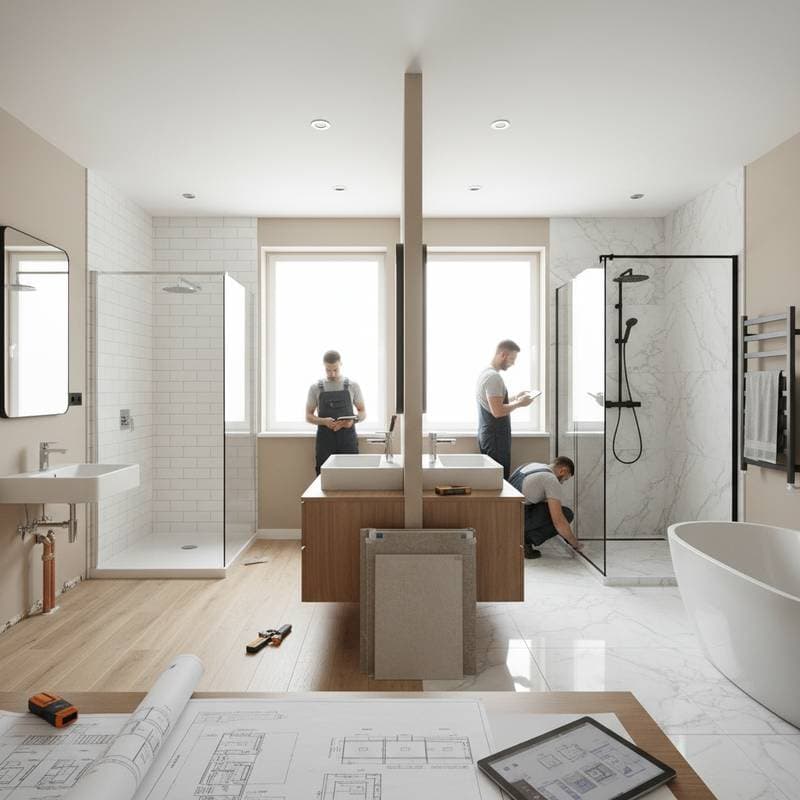
Mid-range projects involve partial reconfiguration and quality material upgrades. Ideal for master bathrooms, these remodels enhance usability while controlling costs. Focus on vanity replacements, tile refreshes, and improved lighting.
Breakdown of typical costs:
- Vanity and countertop: $1,500 to $3,000
- Tile and grout: $6 to $10 per square foot
- Lighting and fan: $400 to $900
Labor accounts for 50 to 60 percent of the total budget. Design flexibility permits slight space adjustments, like shifting a vanity or enlarging the shower area. However, relocating plumbing lines increases expenses significantly.
DIY remains limited; manage demolition, painting, and trim installation yourself, but delegate tile work, electrical, and plumbing to professionals. The process takes 5 to 6 weeks, influenced by material lead times. Upgrading to LED lighting and efficient fixtures cuts water use by up to 25 percent and boosts energy savings.
In the 2026 market, tariffs affect imported tile and vanities, so opt for domestic brands for faster shipping and lower prices. This tier offers strong return on investment through increased home value and daily comfort.
Get three free quotes from local contractors before setting a start date. Rates differ by region, particularly in areas with labor shortages.
Luxury Transformation: Budget Over $25,000
Luxury remodels feature custom designs, high-end materials, and advanced features like heated floors or smart controls. These suit spacious en suites or full spa-like retreats. Investments here prioritize aesthetics, durability, and technology integration.
Major cost components:
- Custom cabinetry and premium countertops: $5,000 to $10,000
- High-end tile and stone: $15 to $25 per square foot
- Advanced fixtures and tech: $2,000 to $5,000
Labor comprises 60 to 70 percent, reflecting specialized skills for intricate installations. Extensive reconfiguration, such as adding a soaking tub or steam shower, demands precise engineering. Timelines extend to 8 to 12 weeks, including custom fabrication delays.
Professional oversight proves essential across all aspects; DIY contributes minimally beyond minor prep. Energy-efficient elements, like low-flow systems and smart ventilation, yield 30 percent or more in utility reductions. ROI shines through premium resale appeal and long-term enjoyment.
Sourcing premium imports requires buffering for tariff hikes, while local artisans provide bespoke options at competitive rates.
Material Costs in the 2026 Market
Materials drive much of the budget variability amid global trade shifts. Prices reflect supply chain dynamics and regional availability. Plan purchases strategically to mitigate unexpected increases.
| Material Type | Expected 2026 Price Range | Notes |
|---|---|---|
| Porcelain Tile | $6 to $12 per sq. ft. | Tariff-sensitive; domestic options remain stable |
| Quartz Countertop | $70 to $110 per sq. ft. | Remnant slabs suit small vanities and reduce waste |
| Copper Piping | $4 to $6 per linear ft. | Fluctuates with global metal markets |
| Shower Glass | $800 to $2,000 | Custom cuts add 25 percent to the price |
| Lighting Fixtures | $200 to $700 | Smart features enhance usability at extra cost |
Smart Saving Tip: Order essential materials together to lock in current rates. Suppliers frequently discount bundled buys, particularly for tile and fixtures.
Timing Your Remodel in 2026
Contractor schedules align with seasonal demands, impacting availability and pricing. Spring and fall offer optimal windows, with milder weather and flexible crew bookings. Steer clear of late summer, when exterior jobs dominate workloads.
Imported materials necessitate extended lead times due to potential supply disruptions. Domestic alternatives expedite delivery and stabilize costs. Proactive scheduling prevents delays from permits or inspections.
Strategic Timing Tips:
- Order core materials 8 to 10 weeks ahead of demolition.
- Obtain contractor bids early to secure labor rates.
- Arrange inspections immediately to bypass permit holdups.
Planning for Lasting Value
Select your remodel tier based on space constraints and lifestyle priorities. Adjust budgets to incorporate 2026 market realities, from tariff effects to labor trends. A well-executed project not only refreshes your home but also elevates functionality and efficiency for years ahead.