Prepare for 2026: Mold Checks Required in Home Sales
Homeownership offers rewards, yet it demands ongoing attention, particularly as regulations evolve. A significant change requires mold inspections for all home sales starting in 2026. Sellers may find this requirement daunting, prompting questions about the process, its impact on transactions, and preparation strategies. Proper planning safeguards property value and promotes healthier living conditions.
This resource details the essentials of mold inspection mandates, their importance, and effective management approaches. Readers gain insights into early detection methods, air quality maintenance, and decisions between self-handling and expert intervention.
Essential Maintenance Tasks to Prevent Mold
Proactive measures prove more cost-effective than remediation after mold growth occurs. Homeowners benefit from integrating these routines to minimize risks before any inspection arises.
-
Control indoor humidity. Mold flourishes above 50 percent relative humidity. Install dehumidifiers in high-moisture areas such as basements and bathrooms, and monitor levels with a hygrometer.
-
Ventilate moisture-prone spaces. Activate exhaust fans during activities that generate steam, like cooking or bathing. In homes without built-in fans, position windows to allow brief air circulation, ensuring screens prevent insect entry.
-
Check for leaks regularly. Inspect beneath sinks, around washing machines, and near window frames for water accumulation. Address minor leaks immediately with sealant or replacement parts to halt progression.
-
Maintain your roof and gutters. Blocked gutters lead to foundation pooling. Schedule biannual cleanings and inspect roof flashing after storms to direct water away efficiently.
-
Dry spills promptly. Fabrics absorb moisture quickly, fostering mold. Use absorbent cloths to remove liquids from carpets and furniture, then deploy box fans for thorough drying within 24 hours.
These practices foster a drier environment, lowering inspection failure rates and enhancing overall home integrity.
DIY vs Professional Mold Detection
Homeowners often debate self-inspection versus expert services based on issue scale and complexity.
When DIY Makes Sense
Small, visible mold spots, such as on bathroom grout or a wall patch under 10 square feet, suit DIY efforts. Prepare a solution of one part white vinegar to one part water, or use a commercial mold remover labeled safe for surfaces. Don protective gear including nitrile gloves, N95 mask, and goggles; scrub gently, rinse, and dry with a fan to prevent residue.
When to Call a Pro
Seek certified assistance for extensive growth, concealed infestations, or persistent odors without visible signs. Health effects like persistent coughing or skin rashes signal potential airborne exposure requiring specialized assessment.
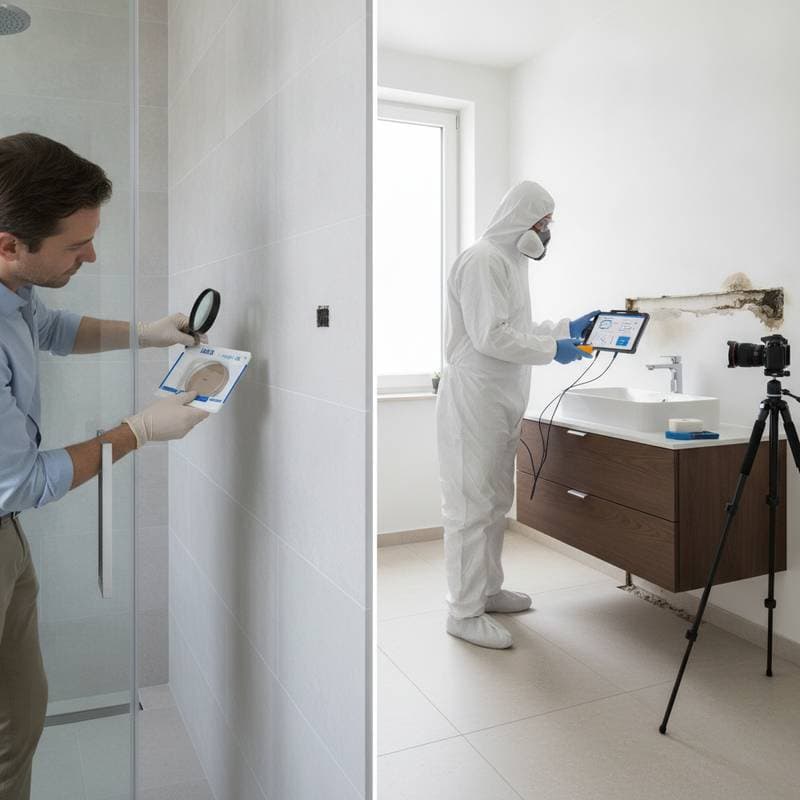
Experts employ tools like moisture meters and spore traps for accurate diagnosis. Their detailed reports comply with real estate standards, providing sellers with verifiable evidence of remediation.
Schedule Professional Inspections Before Listing
Anticipate the 2026 mandate by commissioning a pre-listing inspection. This step uncovers issues early, allowing corrections that boost buyer confidence and negotiation leverage.
Inspectors typically conduct:
-
Thermal imaging scans to reveal moisture behind surfaces like drywall or insulation.
-
Surface swab and air sampling for lab analysis to quantify spore concentrations.
-
Comprehensive reports outlining findings, remediation recommendations, and post-treatment verification.
Presenting such documentation differentiates your property in a competitive market, often justifying a higher asking price.
How Mold Impacts Indoor Air Quality
Mold spores disperse easily, circulating through ventilation systems and settling on surfaces. Inhalation triggers reactions from mild allergies to chronic respiratory challenges, especially in sensitive individuals.
Certain species produce mycotoxins, compounds that exacerbate health risks over prolonged exposure. To mitigate, replace HVAC filters quarterly with high-efficiency models, and clean ducts every three to five years.
Vacuum floors and upholstery using HEPA-equipped devices to capture particles. Ensure crawl spaces feature vapor barriers and sump pumps if prone to dampness, creating a baseline for inspection success and buyer appeal.
Strategies to Prevent Mold Recurrence
Post-cleanup vigilance sustains mold-free conditions by targeting root causes like persistent humidity.
-
Conduct quarterly audits of attics and basements, checking for condensation or discoloration.
-
Adhere to manufacturer guidelines for HVAC filter changes, typically every 90 days.
-
Position houseplants away from drafts, using saucers to catch excess water and allowing soil to dry between waterings.
-
Opt for sealed plastic storage in humid zones, elevating items off concrete floors.
-
During wet seasons, seal window frames with caulk and test for drafts with a lit incense stick.
Regular adherence transforms prevention into a seamless habit, fortifying the home against future threats.
Implement Your Mold Management Plan
Embrace the 2026 requirement as a catalyst for enhanced home care. Focus on moisture control and swift responses to maintain optimal conditions.
Upon detecting mold, prioritize safety: isolate the area, ventilate, and consult experts for assessments exceeding basic cleaning. Retain all records, including before-and-after photos, professional invoices, and test results, to demonstrate diligence to buyers.
These actions not only comply with regulations but also elevate your property's market position, ensuring a seamless sale process.