The 2026 FEMA Flood Changes Homeowners Cannot Ignore
Properties located in or near flood zones face significant upcoming modifications that may alter insurance premiums, building requirements, and market values. The Federal Emergency Management Agency plans to revise its floodplain management criteria based on contemporary flood risk assessments. These revisions will affect construction, repairs, and insurance for properties across the nation. Homeowners who delay preparation risk elevated premiums, rejected permits, or expensive modifications in the future.
Key Elements of the Upcoming Changes
The revised FEMA floodplain maps and building directives will transform the methods used to evaluate flood risks. Current approaches depend primarily on elevation measurements, but the new framework incorporates factors such as rainfall patterns, stormwater drainage systems, and projections for coastal surges. As a result, numerous properties once classified outside flood-prone areas may fall into revised zones.
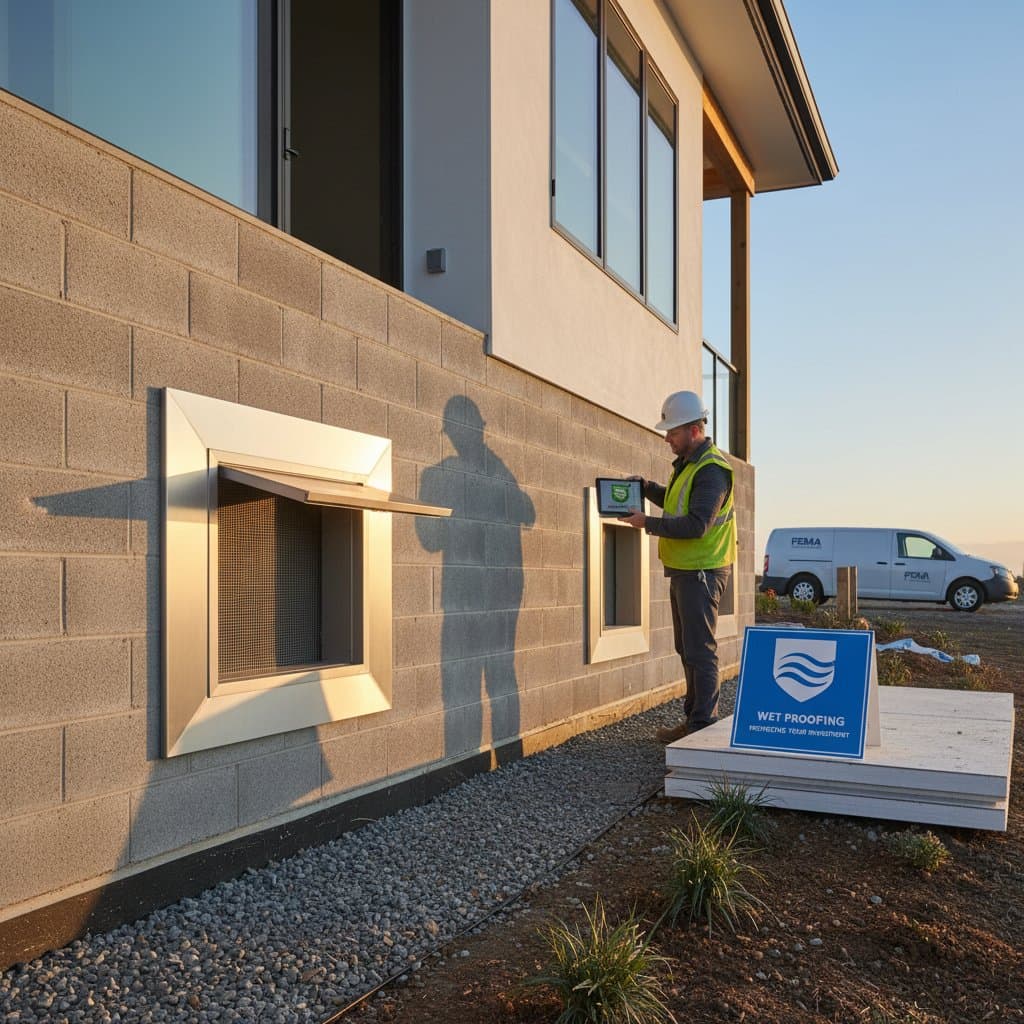
Homeowners should anticipate shifts in flood insurance premiums, permitting processes, and structural designs for foundations. Communities adopting these FEMA updates must enforce rigorous standards for flood-resistant features in all new builds and major renovations, including enhanced waterproofing and ventilation systems. Failure to comply could result in invalidated insurance policies or obstacles to property transactions.
Factors Influencing Compliance Expenses
Multiple elements determine the overall investment required for adherence to the new standards:
- Elevation of the structure: Properties situated below the revised Base Flood Elevation demand comprehensive elevation adjustments or protective measures.
- Type of foundation: Foundations on slabs typically necessitate the installation of specialized flood vents, whereas elevated foundations might require reinforcement for stability.
- Local regulations: Certain jurisdictions implement floodplain rules that surpass FEMA's baseline requirements, adding layers of compliance.
- Insurance ratings: Structures modified prior to the implementation of new maps often secure reduced rates under the National Flood Insurance Program.
For residences in designated Special Flood Hazard Areas, compliance efforts generally range from 2 percent to 8 percent of the property's appraised value. These costs cover assessments, materials, and labor tailored to specific site conditions. Early evaluation by professionals helps pinpoint exact needs and potential efficiencies.
Strategies to Minimize Costs Through Proactive Measures
Strategic planning and timely action enable homeowners to cut compliance expenses substantially, often by several thousand dollars.
-
Implement upgrades prior to map activation. Local authorities frequently provide grace periods during which preparatory work qualifies for favorable insurance classifications.
-
Integrate flood enhancements with routine renovations. Pairing these with projects such as regrading landscapes or relocating mechanical systems distributes labor and material expenses effectively.
-
Leverage municipal support initiatives. Various communities provide financial incentives, including rebates ranging from 500 to 2,000 dollars, for installing verified flood vents or backup drainage solutions.
-
Pursue available funding options. Programs like FEMA's Hazard Mitigation Assistance can offset up to 75 percent of eligible upgrade expenses, with additional state-level resources for vulnerable properties.
-
Procure supplies efficiently. Purchasing vents, barriers, or drainage elements in larger quantities often yields discounts of 10 to 20 percent per item.
Homeowners benefit from obtaining at least three estimates from certified contractors before proceeding. This approach not only secures competitive pricing but also verifies alignment with both federal and regional codes.
Benefits Extending Beyond Immediate Compliance
Properties aligned with or surpassing the updated FEMA flood-resistant criteria often achieve insurance reductions of 20 to 45 percent relative to unmodified homes in the vicinity. Investments in features like precision-engineered vents and raised utility lines typically recoup costs within six to eight years via diminished premiums and minimized storm damage.
In regions where flood vulnerabilities influence buyer decisions, compliant residences command quicker sales and retain higher values. Prospective purchasers favor documented protections, as they mitigate risks associated with unforeseen modifications.
Additional advantages include operational efficiencies. Improved sealing and drainage promote drier interiors, easing the burden on heating, ventilation, and air conditioning units. This can decrease annual energy consumption by 5 to 10 percent, yielding further savings over time.
Essential Steps for Preparation
Homeowners should prioritize these targeted actions to ensure readiness:
-
Assess structural resilience and ventilation needs. Conduct inspections to identify vulnerabilities and install compliant venting systems that allow water flow while preventing entry.
-
Elevate and protect utilities. Relocate electrical panels, water heaters, and HVAC components above the Base Flood Elevation, incorporating waterproof enclosures where feasible.
-
Enhance site grading and drainage. Reshape landscapes to direct water away from foundations, and add French drains or swales to manage runoff effectively.
-
Review insurance and consult experts. Update policies to reflect current risks and engage engineers for personalized compliance plans.
-
Monitor community timelines. Stay informed on local adoption schedules to capitalize on transitional benefits.
Securing Your Property's Future Resilience
Adopting these FEMA-aligned improvements fortifies homes against escalating flood threats while preserving financial health. Proactive steps today safeguard against regulatory surprises and enhance overall livability. Homeowners who act decisively position themselves for sustained protection and economic advantages in an era of increasing climate variability.