2026 FEMA Compliance: Flood Vents for Safer Homes
Homeowners in flood-prone regions face significant risks during severe weather events. Rising waters can exert immense pressure on building foundations, leading to costly structural failures. The Federal Emergency Management Agency (FEMA) has introduced updated guidelines for flood vents effective in 2026. These measures promote resilience by allowing controlled water flow, thereby safeguarding properties and reducing long-term expenses.
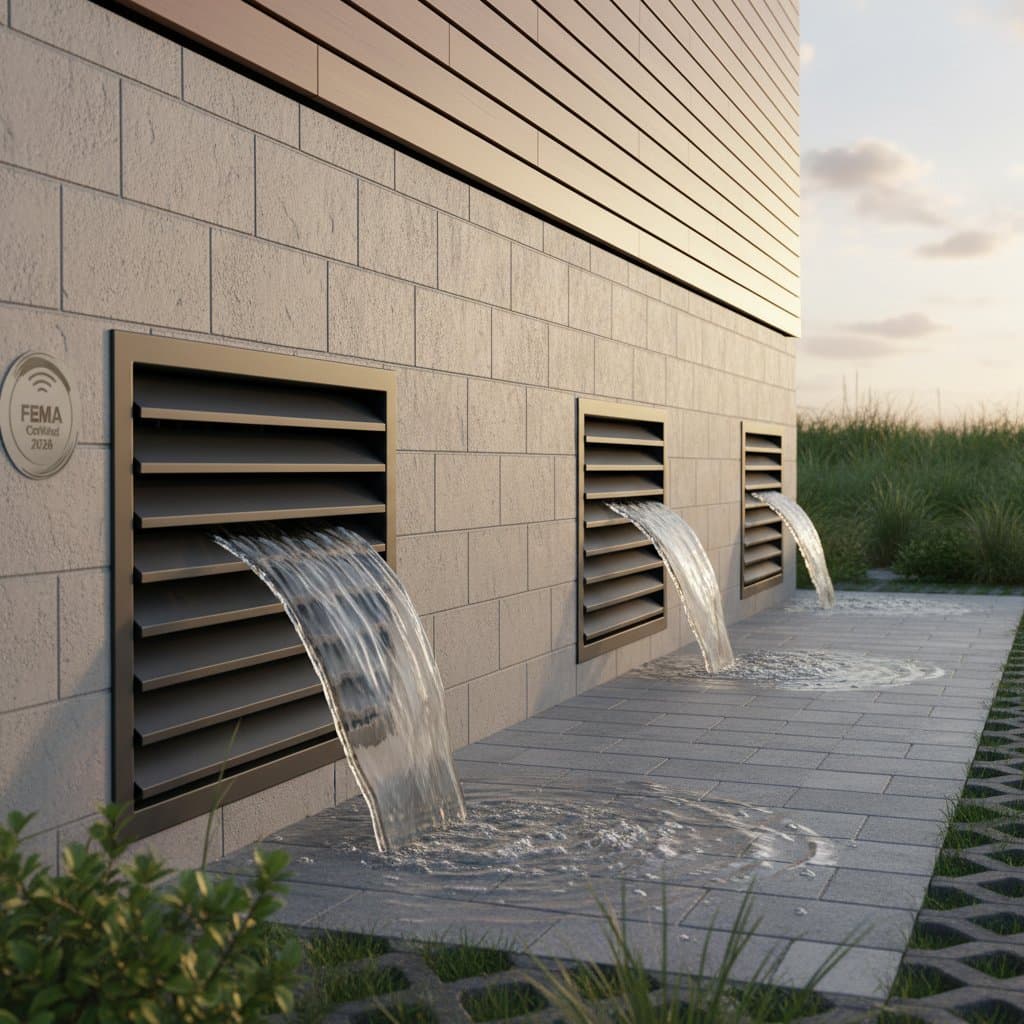
The core principle behind these vents involves permitting floodwaters to pass through enclosed areas beneath the home. This approach equalizes hydrostatic pressure on all sides of the foundation walls. As a result, the structure experiences less stress, minimizing the likelihood of cracks or collapses when waters recede.
At a Glance
- Primary Application: Engineered flood vents compliant with FEMA standards for residential buildings
- Ideal Locations: Properties situated in designated flood zones, including coastal and riverine areas
- Core Objectives: Mitigate foundation damage, lower flood insurance rates, and enhance occupant safety over time
- Operational Mechanism: Automatic opening and closing to facilitate water movement without manual intervention
- Installation Considerations: Placement in foundation walls or enclosures to ensure balanced pressure relief
Vulnerabilities in Traditional Foundations
Older residential structures often feature solid, impermeable foundation walls designed to repel water entirely. While this strategy appears protective, it proves counterproductive during flooding. Floodwaters accumulate against these barriers, generating unbalanced forces that can fracture concrete or displace wall sections.
Damage typically manifests after the event, once water levels drop and hidden weaknesses become evident. Property owners then confront extensive repairs, including reinforcement of compromised areas and remediation of waterlogged subfloors. Beyond immediate structural concerns, prolonged moisture exposure fosters mold growth, wood decay, and metal corrosion, all of which compromise the home's integrity from the ground up.
These issues extend to health and financial burdens. Families may endure displacement during repairs, while insurance claims escalate due to preventable deterioration. In regions with frequent storms, such vulnerabilities transform routine weather into a persistent threat.
Benefits of FEMA-Compliant Flood Vents
Contemporary flood vents represent a paradigm shift in flood mitigation. Installed strategically in foundation perimeters or garage surrounds, they enable floodwaters to infiltrate and drain freely. This equalization prevents the buildup of differential pressure, allowing the foundation to remain intact even under significant water loads.
FEMA's 2026 requirements emphasize vents that operate autonomously. Sensors or buoyant mechanisms trigger opening at a predetermined water level, typically around one foot, and seal shut upon recession. This reliability eliminates the need for on-site adjustments during emergencies, ensuring consistent performance.
Compliance with these standards unlocks practical advantages. Eligible homes qualify for reduced premiums through the National Flood Insurance Program (NFIP), potentially saving thousands annually. Moreover, these installations contribute to faster post-flood recovery, preserving equity in the property and supporting community stability.
Selecting and Integrating Flood Vents
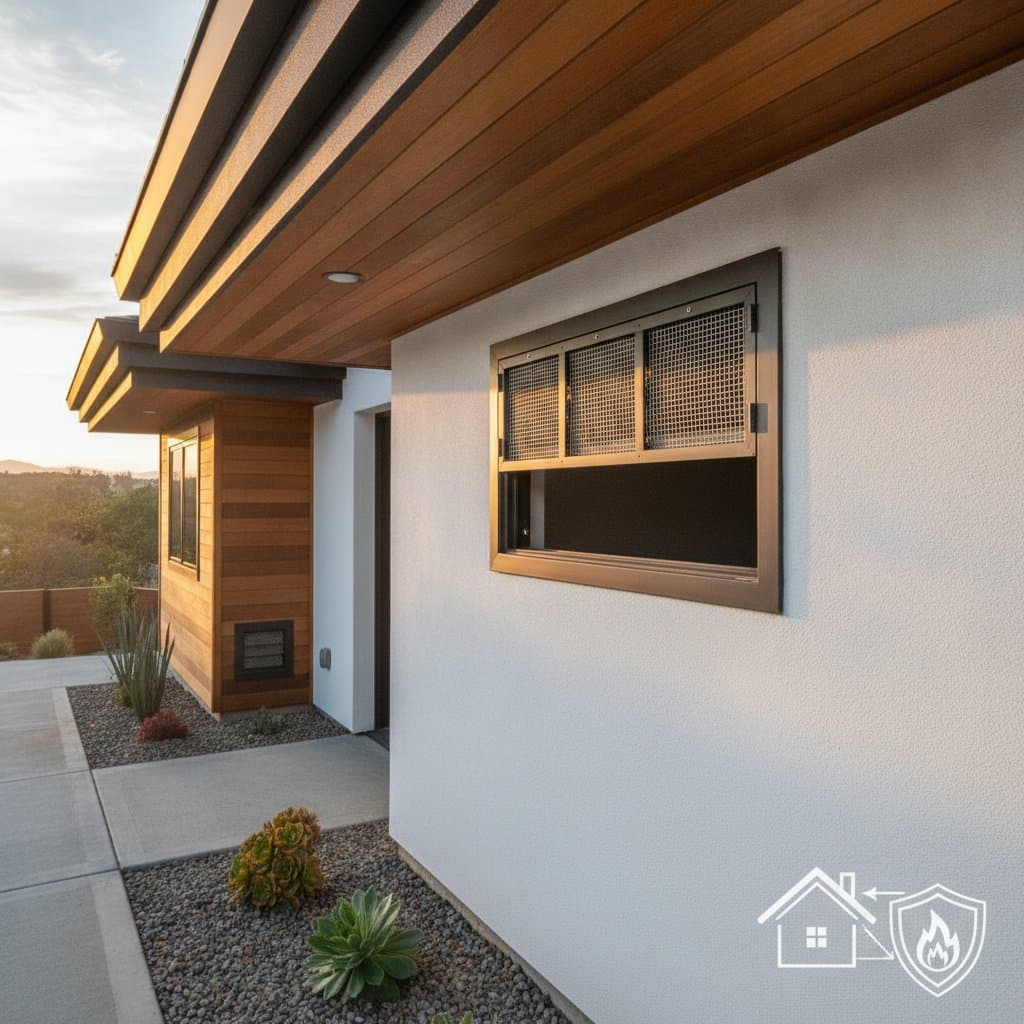
Effective flood vents combine engineering precision with aesthetic compatibility. Materials such as corrosion-resistant stainless steel suit contemporary exteriors, offering durability against environmental exposure. Aluminum options, available in customizable finishes, integrate seamlessly with siding or masonry, preserving the home's visual harmony.
In marine environments, prioritize vents with specialized coatings to withstand saline conditions. These selections not only endure harsh elements but also require minimal upkeep, extending their service life beyond a decade.
Key criteria for evaluation include:
- Certification Verification: Ensure vents carry approval from FEMA and NFIP testing bodies, confirming they provide at least 200 square inches of net open area per 100 square feet of enclosed space.
- Automation Features: Select models with self-activating flaps or louvers that respond to water pressure differentials.
- Material Resilience: Favor galvanized or powder-coated options to prevent oxidation in humid climates.
- Strategic Positioning: Distribute vents uniformly across opposing walls, adhering to elevation and spacing guidelines for optimal flow dynamics.
- Size and Capacity: Match vent dimensions to the enclosed area's footprint, consulting local codes for precise calculations.
For discreet installation, embed vents behind decorative grilles or within skirting panels. Professional assessment during planning phases guarantees compliance and unobstructed functionality, blending protection with design elegance.
Daily Life and Ongoing Care
After installation, flood vents demand straightforward maintenance to sustain effectiveness. Inspect annually for obstructions like sediment buildup or encroaching foliage, clearing pathways to preserve operational integrity. In non-flood periods, these components remain unobtrusive, integrating into the home's framework without altering daily routines.
During an actual flood, the vents perform silently, channeling water to avert disaster while occupants prioritize evacuation and safety protocols. This passive defense mechanism alleviates stress, allowing families to focus on preparedness rather than structural worries.
Enhancing Overall Flood Resilience
FEMA-compliant vents form a foundational element of comprehensive floodproofing. Complement them with elevated electrical systems, backflow preventers on plumbing, and robust drainage solutions around the property perimeter. Such integrated strategies fortify the home against varied water threats, from surges to prolonged inundation.
For ongoing or prospective builds, engage contractors versed in current regulations early in the design process. Initial investments, often ranging from a few hundred to several thousand dollars depending on home size, pale against potential repair outlays exceeding tens of thousands.
These vents embody proactive stewardship, quietly fortifying the base upon which lives unfold. In the face of intensifying weather patterns, they deliver enduring security, ensuring homes endure and thrive.