Wildfire Protection: Vent and Deck Upgrades That Pay Off
I live in a region where summer smoke is almost expected. After watching embers fall from nearby hills one year, I stopped assuming that wildfire protection was someone else problem. Small vulnerabilities such as open vents or untreated decks can determine whether a home survives. Hardening a home against wildfire serves as both a safety measure and an investment that protects comfort and property value.
Why Vents and Decks Matter Most
Firefighters mention embers more often than flames when they discuss home loss. Those tiny sparks travel miles, slip into attic vents, or land between deck boards. Once inside they ignite insulation, debris, or dry framing. Many homeowners focus on clearing brush yet overlook how embers enter through ventilation openings or settle on combustible surfaces.
I learned this firsthand while inspecting my attic vents. They looked clean and functional, yet the mesh openings were wide enough for small embers. My wood deck had gaps that collected leaves and pine needles. Both represented fire risks waiting for the right wind.
Smart Decision Framework: DIY or Hire Out
DIY Vent Upgrades
Homeowners comfortable on a ladder and equipped with basic tools can replace vents as a weekend project. Replacements must carry UL listing for ember resistance. Always wear gloves and a respirator when working near insulation.
Deck Work
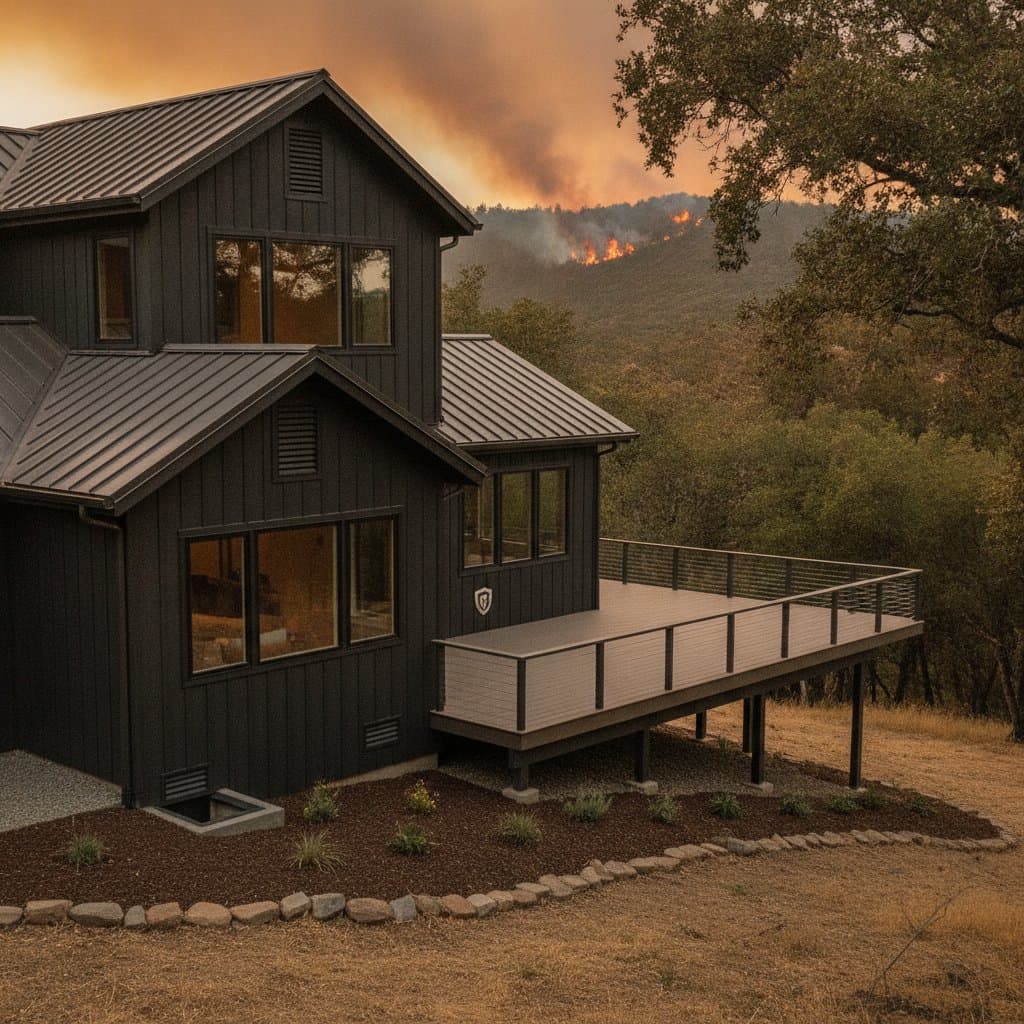
Deck retrofits present greater challenges. Removing boards often reveals moisture damage or loose framing. Structural work, electrical connections for lighting, and compliance with fire resistant material codes require a professional. I have built small garden decks myself, but a full replacement tied into the house demands a licensed contractor.
Timing and Supply Tips
Material availability fluctuates as fire season approaches. Order composite or metal decking early in the year because demand spikes during dry months. Vents usually remain in stock, yet professional installers book quickly once local fire warnings increase. Planning ahead allows scheduling before contractors reach peak pricing.
ROI and Home Value Impact
Wildfire resistant upgrades add measurable value. Insurance companies in many regions offer discounts for homes with certified ember resistant vents and noncombustible decks. Real estate agents report higher buyer confidence when a home displays visible fire hardening features.
A full deck rebuild with fire rated materials typically returns 50 to 70 percent of its cost, along with long term savings on maintenance. Vent upgrades rarely deliver direct resale value, yet they protect far more expensive components such as roofs and attic framing. Upgrading both provided peace of mind and a lower insurance premium.
Safety and Code Compliance
Check local building codes before starting. Many areas require ember resistant vents and Class A decking for new construction or remodels. Never install metal mesh smaller than one eighth inch because it can clog with debris and reduce airflow. Use stainless steel or corrosion resistant hardware to prevent rust that weakens fire barriers.
Homes on slopes or near heavy vegetation benefit from extended protection. Install ignition resistant siding or gravel ground cover beneath decks. Avoid storing wood furniture or propane tanks under the deck because they can ignite even when the decking resists flames.
Maintaining Your Investment
Make inspection part of a seasonal routine after upgrades are complete. Sweep deck gaps, clean vents, and verify that protective coatings remain intact. Reapply fire retardant sealants every few years according to manufacturer directions.
These steps keep materials performing as intended and prevent small maintenance lapses from undoing the investment. Neighbors have lost decks to ember buildup that could have been cleared in minutes. Prevention remains the most cost effective tool in wildfire preparation.
Next Steps for Homeowners
Begin with a site assessment of all vents and deck surfaces. Prioritize replacements that meet current ember resistance standards. Schedule professional consultation for any structural modifications. Consistent upkeep then preserves both safety gains and financial returns over time.